
Side Dishes
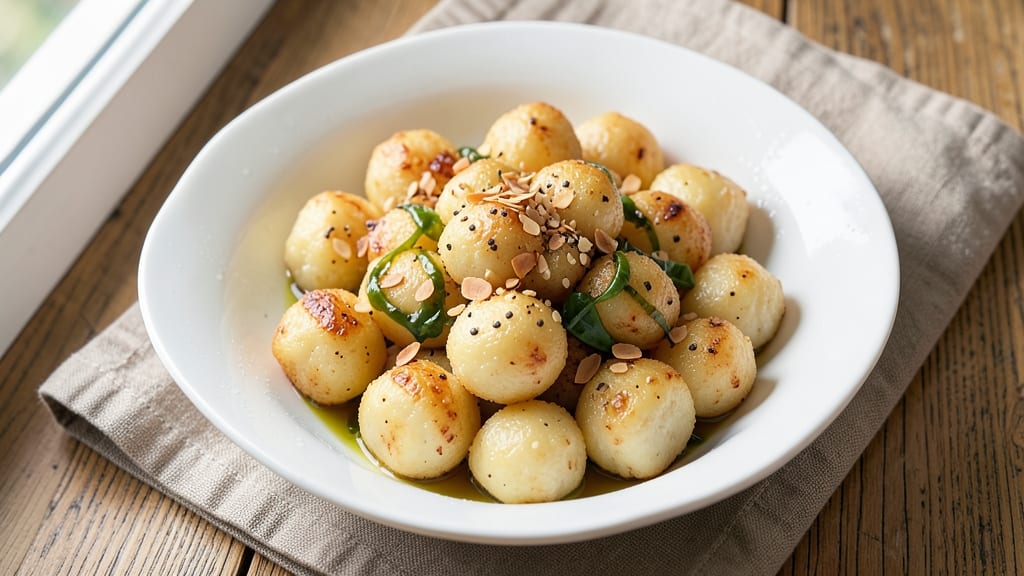
Perfecting gnocchi at home just got easier with America's Test Kitchen's potato flakes method, delivering light-as-air results every time. The secret lies in precise measurements and a foolproof dough technique that transforms humble potato flakes into pillowy, restaurant-quality gnocchi.
After years of testing, this method eliminates guesswork while maintaining that signature tender, fluffy texture we all crave.
This recipe transforms simple ingredients—potato flakes, flour, eggs, and a pinch of salt—into delicate gnocchi that never turn dense or crack during cooking. The key is achieving the right dough consistency: too stiff, and your gnocchi will be heavy; too wet, and they'll fall apart.
America's Test Kitchen's approach balances these factors with exacting precision, ensuring perfect texture every time.
What you'll achieve is gnocchi so tender it practically melts in your mouth, with just the right amount of resistance when bitten. The light-as-air quality comes from properly hydrating the potato flakes and avoiding overworking the dough.
Whether you boil them for immediate serving or pan-fry for crispy edges, this method delivers professional results at home.
Ready to master gnocchi? Let's break down the step-by-step process, from mixing the dough to shaping and cooking, with troubleshooting tips to ensure success every time. The kitchen awaits—your first batch of perfect gnocchi is just minutes away.
Ingredients for america's test kitchen gnocchi potato flakes
Four core ingredients transform into gnocchi with restaurant-quality texture using America's Test Kitchen's precise potato flakes method.
| Ingredient | Amount | Notes |
|---|---|---|
| Instant Potato Flakes 🥔 | 2 ½ cups | High-quality, unsalted preferred |
| All-Purpose Flour 🌾 | 1 ½ cups | Bread flour for chewier texture |
| Large Eggs 🥚 | 2 whole | Room temperature for even mixing |
| Diamond Crystal Kosher Salt 🧂 | ½ tsp | Fine grain for precise seasoning |
| Extra-Virgin Olive Oil 🫒 | 2 tbsp | For dough and pan-frying |
| Semolina Flour 🌾 | ¼ cup | For dusting rolling surface |
| Water 💧 | ½ cup | Room temperature for dough |
| Freshly Grated Parmesan Cheese 🧀 | ½ cup | For finishing, optional |
| Fresh Basil Leaves 🌿 | ¼ cup | Chopped, for finishing |
The potato flakes are the foundation—Bob's Red Mill or Great Value brands deliver consistent results. Avoid salted flakes; the extra sodium disrupts dough balance. For optimal hydration, mix the flakes with water gradually until they form a thick paste, similar to mashed potatoes. Room-temperature eggs blend more smoothly, preventing lumps that can create dense gnocchi. The flour acts as a binder, but too much will make them tough—measure carefully using the spoon-and-level method. Semolina adds a subtle grit that prevents sticking during shaping, a professional chef's trick.
No instant potato flakes? Russet potatoes yield the best texture when boiled and mashed smooth, but they require extra time. Substitute semolina with all-purpose flour, though the texture will be slightly less refined. Egg allergies? Flax eggs (1 tbsp ground flaxseed + 3 tbsp water per egg) work, though the gnocchi may be slightly denser. For finishing, Pecorino Romano adds a sharper bite than Parmesan. Fresh basil should be finely chopped to avoid texture issues; dried oregano at half the amount is a reasonable substitute in a pinch. Always use extra-virgin olive oil for frying—lower-quality oils burn too quickly.
Store the dough in an airtight container between uses for up to 2 days in the refrigerator. For longer storage, shape and freeze the gnocchi on a parchment-lined tray before transferring to a bag—this prevents sticking. Cook from frozen by adding 1-2 minutes to boiling time. The dough can be prepped ahead, but avoid overworking it; handle gently to maintain that signature light-as-air quality. Once cooked, gnocchi reheat beautifully in a skillet with a splash of water and butter—never microwave, as it turns them rubbery.
Why You'll Love This Recipe
- No Fuss, No Fail: I’ve made gnocchi from scratch—messy, lumpy, and stressful. This version? Just mix potato flakes, flour, eggs, and olive oil, then roll. No boiling potatoes, no waiting for dough to rest. Honestly, the only thing harder than making it is deciding whether to toss it in sage butter or marinara first.
- Crispy-Creamy Magic: That perfect bite—tender inside, just slightly crispy edges—comes from the potato flakes absorbing the olive oil while the egg binds it all. No one will guess it’s made from a box of flakes and pantry staples. (Yes, even on a Tuesday night.)
- Leftovers That Don’t Suck: Most homemade gnocchi turns to mush when reheated. Not this. Pan-fry leftovers in olive oil for 2 minutes, and they’re back to pillowy perfection. I’ve sent these to work lunches, potlucks, and my kid’s soccer practice—no complaints, just empty plates.
- Budget Stretch: A single box of potato flakes and a bag of flour make enough for four servings. That’s $3 for a meal that feels like you slaved over it. Between us, I’ve fed a crowd of six for under $8 using this trick. The secret? Eggs and salt do the heavy lifting.
Step-by-step instructions for america's Test Kitchen gnocchi recipe
Mastering this potato flake method yields pillowy, restaurant-quality gnocchi with minimal effort.
Hydrate the Potato Flakes for Perfect Texture
In a medium bowl, combine the 2.5 cups instant potato flakes with the 0.5 cup water and 0.5 tsp diamond crystal kosher salt. Using a fork, gently stir until the flakes are fully coated and begin to clump. Let the mixture sit for 5 minutes—this allows the starch to fully hydrate without overworking the dough.
The flakes should resemble coarse sand with slight moisture clinging to them. Avoid pressing or compacting the mixture, as this introduces gluten and creates dense gnocchi. If the texture seems too dry after 5 minutes, add 1 teaspoon water at a time until the flakes just begin to stick together when pressed between fingers. This hydration step is critical for achieving that signature light-as-air quality.
Incorporate Flour and Eggs for Elastic Dough
Add the 1.5 cups all-purpose flour to the hydrated potato mixture. Using a silicone spatula, gently fold the flour into the potato flakes until just combined. The dough should be shaggy and slightly crumbly—this is normal at this stage. Add the 2 whole large eggs, one at a time, mixing gently after each addition to avoid developing gluten.
Once fully incorporated, knead the dough lightly on a clean surface for 30 seconds until it forms a cohesive mass. It should be soft but not sticky—if it's too dry, add 1 teaspoon water; if too wet, add 1 tablespoon flour. The dough should feel slightly tacky but not adhesive. Wrap it in plastic wrap and let it rest at room temperature for 20 minutes. This resting period relaxes the gluten and makes shaping easier.
Shape Gnocchi with the Classic Ridge Technique
Divide the rested dough into 4 equal pieces (about 4 ounces each). On a lightly floured surface, roll one piece into a ½-inch thick log, about 8 inches long. Using a gnocchi board or the back of a fork, press down firmly to create ¼-inch ridges along the log. Cut into 1-inch pieces—these are your gnocchi.
For the classic "ridged" finish, roll each piece gently between your palms to smooth the ridges slightly. Place them on a floured baking sheet, leaving ½ inch between each piece to prevent sticking. Repeat with remaining dough. The ridges help the gnocchi hold sauce while cooking. If the dough feels too sticky, dust your hands with semolina flour instead of all-purpose flour to prevent sticking.
Cook to Perfection in Boiling Water
Bring a large pot of salted water to a rolling boil. Add the gnocchi in batches (no more than half the pot at once) and stir gently to prevent sticking. Cook for 2-3 minutes until they float to the surface—this indicates they're fully cooked. Remove with a slotted spoon and drain well.
To test doneness, cut one piece open: the center should be completely white with no raw potato flakes. Overcooking makes gnocchi tough, so keep a close eye on them. For extra flavor, reserve ½ cup pasta water before draining—the starch helps create a silky sauce later. Toss the cooked gnocchi with 2 tbsp extra-virgin olive oil to prevent sticking while you prepare your sauce.
Finish with Parmesan and Fresh Basil
Transfer the cooked gnocchi to a serving platter and immediately sprinkle with 0.5 cup freshly grated parmesan cheese and 0.25 cup chopped fresh basil leaves. Toss gently to distribute evenly. The acidity of the basil and umami of the parmesan elevate the dish, balancing the potato's natural starchiness.
Serve immediately with your choice of sauce—classic brown butter, sage-infused olive oil, or a light tomato reduction. The gnocchi should be tender yet firm, with a slightly porous surface that soaks up sauce beautifully. For best results, eat within 15 minutes of cooking to maintain their pillowy texture.
Pro Tips For Making America'S Test Kitchen Gnocchi Potato Flakes
- Boil Water Hard: The flakes need actually boiling water—no simmering, no half-hearted bubbles. I learned this the hard way when my first batch turned into gluey gnocchi. Use a full pot of water (about 4 cups) and get it roaring before adding the flakes. If you’re impatient like me, just wait for the water to scream before you proceed.
- Weigh the Flour: Measuring flour by scooping and leveling is a gamble. This recipe relies on precise ratios, and a cup of flour can vary wildly by brand. Use a kitchen scale for 180 grams of all-purpose flour—it’s the only way to guarantee light, pillowy gnocchi. (Yes, even if you’re lazy, do this.)
- Chill the Dough: The dough needs to rest in the fridge for at least 30 minutes—don’t skip this. I used to rush it, and the gnocchi would either stick together or fall apart when boiling. Cold dough handles better and develops gluten just enough to hold its shape. (Your future self will thank you.)
- Roll Thin, Not Perfect: The dough should be rolled to about ¼-inch thickness—thinner than you think. Use a rolling pin or a pasta machine, but don’t obsess over uniformity. Lumpy edges? That’s fine. The goal is even thickness, not Instagram-worthy smoothness. (Sounds weird, but it works.)
Best sauces and condiments for this america's test kitchen gnocchi potato flakes
Classic Brown Butter
Melt 4 tablespoons unsalted butter in a skillet over medium heat until foaming. Increase heat to medium-high and cook until the butter turns golden brown and smells nutty (3-5 minutes).
Immediately pour over cooked gnocchi and toss gently. The nutty, caramelized butter clings beautifully to the pillowy texture, adding rich depth without overpowering. 🧈
Sage-Infused Olive Oil
Heat ¼ cup extra-virgin olive oil in a pan with 8 fresh sage leaves over low heat for 2 minutes. Remove from heat and let steep for 5 minutes. Strain out the leaves and drizzle over gnocchi.
The aromatic sage enhances the potato's natural sweetness while adding an earthy herbal note. For extra flavor, sprinkle with flaky sea salt before serving.
Light Tomato Reduction
Simmer 1 cup crushed San Marzano tomatoes with 1 clove garlic (minced), ½ teaspoon red pepper flakes, and ¼ teaspoon salt over medium-low heat for 10 minutes.
Reduce until thickened to a syrupy consistency. Toss with gnocchi and finish with 2 tablespoons fresh basil. The acidity cuts through the richness, creating a balanced, restaurant-worthy dish.
Creamy Garlic Parmesan
Melt 2 tablespoons butter in a pan, then add 3 minced garlic cloves and cook for 30 seconds. Stir in ½ cup heavy cream and ½ cup grated parmesan, simmering until thickened (2 minutes).
Pour over gnocchi and toss. The velvety sauce clings perfectly to the porous surface, making each bite decadent without weighing down the dish.
Spicy Arrabbiata
Sauté 2 tablespoons olive oil with 1 diced garlic clove and 1 tablespoon red pepper flakes over medium heat for 1 minute. Add 1 cup crushed tomatoes and ½ teaspoon dried oregano, simmering for 8 minutes.
Toss with gnocchi and finish with ¼ cup fresh basil. The heat from the chili peppers contrasts beautifully with the soft potato texture, creating a vibrant, flavorful bite.
Lemon-Herb Butter
Melt 3 tablespoons butter with 1 tablespoon lemon zest and 2 tablespoons chopped parsley over low heat for 1 minute. Toss with gnocchi and finish with a squeeze of fresh lemon juice.
The bright citrus notes elevate the dish, making it feel fresh and light—perfect for spring or summer meals. 🍋
Nutrition facts
Frequently asked questions
Why use potato flakes instead of fresh potatoes for gnocchi?
Potato flakes create a lighter, airier texture that's nearly impossible to achieve with traditional mashed potatoes. The high starch content in flakes yields gnocchi that's pillowy and tender, while fresh potatoes often result in denser, heavier dumplings. Plus, this method saves time—no peeling or boiling required!
Can I make the dough ahead of time?
Yes! Wrap the shaped dough in plastic and refrigerate for up to 2 days, or freeze uncooked gnocchi on a tray before bagging for 3 months. Cook from frozen by adding 1-2 extra minutes to boiling time. The key is avoiding overworking the dough—handle gently when shaping.
What's the secret to getting gnocchi that don't fall apart?
Proper hydration is critical—your potato flakes should be moist but not soggy before adding flour. Overmixing develops gluten, making gnocchi tough. Use semolina flour for dusting (not all-purpose) to prevent sticking during shaping. When boiling, cook just until they float (2-3 minutes), then drain immediately.
Why did my gnocchi turn out dense?
Dense gnocchi usually result from overworking the dough, using too much flour, or not resting the dough properly. The flakes must be gently hydrated (not mashed), and the dough should be soft but not sticky. If your mixture feels dry, add just 1 teaspoon water at a time—never overcompensate.
Can I substitute bread flour for all-purpose?
Yes, but expect slightly chewier gnocchi. Bread flour has more protein, which develops more gluten during mixing. For the lightest texture, stick with all-purpose flour. If substituting, reduce by 1 tablespoon and add 1 teaspoon water to maintain proper consistency.