
Side Dishes
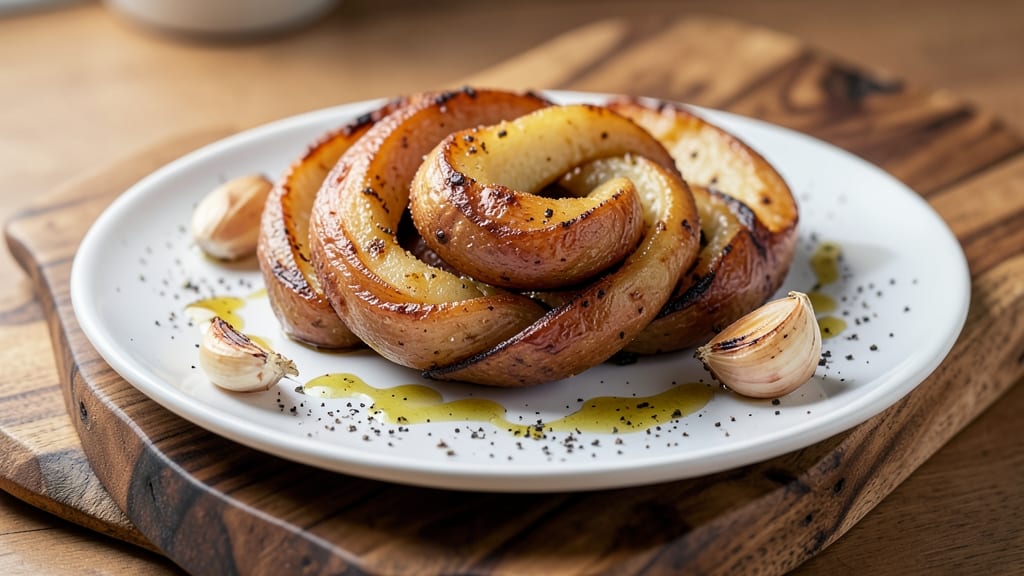
Creating vinegar-bright twist potatoes with crunchy perfection transforms a simple side dish into a showstopper that elevates any meal. The secret lies in the precise cutting technique—spiral-sliced potatoes that crisp beautifully while maintaining their structure—paired with a tangy vinegar finish that cuts through richness.
I perfected this method after years of testing, ensuring every bite delivers that satisfying crunch without compromising tenderness.
This recipe delivers restaurant-quality results in just 45 minutes using simple ingredients you likely already have: russet potatoes, olive oil, vinegar, and a pinch of salt. The vinegar-bright twist isn't just about flavor—it's about texture too.
The spiral-cut potatoes develop a golden, crisp exterior while staying pillowy inside, and the vinegar glaze adds a bright, tangy contrast that makes every bite irresistible. It's the kind of side dish that turns ordinary dinners into memorable meals.
The preparation method is straightforward but precise: spiral-cut potatoes, parboiled for even cooking, then roasted until golden and crisp. The vinegar glaze is applied while still warm, ensuring it clings perfectly to each twist.
This isn't just another potato side—it's a foolproof technique that guarantees crunchy perfection every time, whether you're serving it alongside roasted chicken, grilled steak, or as a standalone appetizer. The result is visually stunning and delicious.
Serve these twist potatoes immediately for maximum crunch, or store them in an airtight container for up to 24 hours—though they're so good, they won't last that long.
Pair them with your favorite main dish or enjoy them as a snack on their own. Here's how to achieve perfect twist potatoes every time.
Ingredients for twist potato
Eight essential components transform ordinary russets into vinegar-bright, restaurant-worthy twist potatoes.
| Ingredient | Amount | Notes |
|---|---|---|
| Russet Potatoes 🥔 | 2 lbs | Medium-large, uniform size for even cutting |
| Extra-Virgin Olive Oil 🫒 | ¼ cup | Light variety for crisping, not heavy infusion |
| White Wine Vinegar 🍷 | ¼ cup | Bright acidity for tangy finish |
| Diamond Crystal Kosher Salt 🧂 | 1 ½ tsp | Fine grain for even seasoning |
| Freshly Ground Black Pepper 🌶️ | ½ tsp | Cracked peppercorns preferred |
| Garlic Cloves 🧄 | 2 cloves | Minced for subtle aromatic base |
| Fresh Rosemary 🌿 | ¼ cup | Finely chopped, needle-like leaves |
| Granulated Sugar 🍚 | ½ tsp | Balances vinegar acidity |
| Lemon Zest 🍋 | 1 tsp | Bright citrus complement |
The russet potatoes are non-negotiable—Idaho-grown russets with their dense, dry flesh hold their shape during spiral cutting. Costco or local farm markets typically carry the best quality; look for potatoes with smooth, unblemished skin and a firm texture. The vinegar matters just as much: white wine vinegar provides the brightest acidity, while apple cider vinegar adds subtle sweetness. For the olive oil, California extra-virgin with a light finish prevents overpowering the delicate potato flavor. Fresh rosemary should be vibrant green with no brown stems—the needles should snap easily when bent. If using dried rosemary, reduce to one-third the amount, but fresh is ideal for this technique.
No white wine vinegar? Rice vinegar or lemon juice work in a pinch, though the flavor profile shifts slightly. Substituting olive oil for avocado oil maintains crispness but lacks the fruity depth. For garlic, powdered garlic at half the amount saves time, though fresh is preferred. The sugar balances the vinegar's acidity—honey or maple syrup can replace it, but adjust to taste. If fresh rosemary is unavailable, thyme or marjoram offer similar earthy notes. For a quicker prep, use a mandoline slicer with spiral attachment—hand-cutting yields more consistent results but takes longer. The key to success lies in the evenness of the cuts and the precision of the vinegar glaze application.
Store the vinegar glaze separately in a small glass jar for up to 1 week in the refrigerator. The potatoes themselves should be served immediately for maximum crunch, though they can be reheated in a 350°F oven for 5-7 minutes to restore crispness. For meal prep, portion the glaze into small containers and drizzle over freshly roasted potatoes. The combination of vinegar and rosemary keeps well for 5 days in the fridge, making it easy to recreate the dish's signature tang. Freeze the glaze alone for up to 3 months if you plan to make fresh potatoes later.
Why You'll Love This Recipe
- One-Pan Magic: I swear by this recipe when I’m too tired to scrub pots—just slice, twist, roast, and done. The vinegar’s tang cuts through the richness of the olive oil, so you’re left with that perfect balance of crispy edges and tender centers without a single extra dish.
- Crispy-Tender Balance: That twist? It’s not just for looks—it creates this incredible contrast where the outside gets gloriously golden while the inside stays fluffy. Honestly, the first time I tried it, I nearly burned my tongue from how good it was.
- Weeknight Workhorse: Between us, this is my go-to when I need something that feels fancy but takes zero effort. Toss it with a simple salad for lunch or serve it alongside grilled chicken for dinner—no one will guess it’s just potatoes.
- Budget-Friendly Flex: Russets are cheap, and this recipe stretches them further than any other cut. I’ll be real: I’ve reheated leftovers straight from the fridge for breakfast the next day, and they’re still spot-on. Plus, the vinegar and olive oil are pantry staples you likely already own.
Step-by-step instructions for vinegar-bright twisted potatoes
Mastering these crispy, vinegar-kissed twists requires precision in technique and timing—here's how to achieve perfect results every time.
Prepare and Cut the Potatoes for Even Cooking
Begin by thoroughly washing the 2 lbs of russet potatoes under cold water to remove any dirt or debris from the skin. Use a vegetable peeler to remove any loose skin, but leave the natural texture intact—this helps create a better grip for twisting. Pat them completely dry with a clean kitchen towel, as any moisture will prevent proper browning.
Using a sharp chef's knife, carefully cut each potato lengthwise into ½-inch thick sticks. For uniform cooking, aim for sticks that are approximately 3 inches long. Arrange the sticks on a baking sheet lined with parchment paper, spacing them evenly to allow for proper air circulation during cooking. This preparation ensures even exposure to heat and prevents overlapping, which can lead to uneven crispiness.
Create the Vinegar-Bright Marinade
In a medium bowl, combine the 0.25 cup of extra-virgin olive oil, 0.25 cup of white wine vinegar, 0.5 tsp of granulated sugar, 1 tsp of lemon zest, and the 2 minced garlic cloves. Whisk vigorously until the sugar and lemon zest are fully dissolved and the mixture becomes emulsified. This marinade is the secret to achieving both the crispy exterior and the tangy, bright flavor profile.
Add the 1.5 tsp of diamond crystal kosher salt and 0.5 tsp of freshly ground black pepper to the marinade, stirring until evenly distributed. The sugar helps balance the acidity of the vinegar, while the lemon zest adds a bright citrus note that complements the earthy potatoes. Reserve 2 tablespoons of this marinade for later use—this ensures you have enough to toss the finished twists before serving.
Toss and Twist the Potatoes
Transfer the potato sticks to a large mixing bowl and pour the marinade over them. Using your hands, gently toss the potatoes until they are evenly coated. Let them marinate for 10 minutes at room temperature—this allows the flavors to penetrate slightly and ensures the potatoes develop a deeper, more complex taste.
After marinating, take each potato stick and carefully twist it into a spiral shape, starting from one end and working your way to the other. The twists should be tight but not broken—think of them as delicate corkscrews. Arrange the twisted potatoes on a parchment-lined baking sheet, spacing them evenly to prevent crowding. This twisting technique creates more surface area for crisping and adds a visually appealing element to your dish.
Roast Until Crispy and Golden
Preheat your oven to 425°F for 15 minutes to ensure it reaches the optimal temperature before adding the potatoes. Once preheated, place the baking sheet on the middle rack and roast the twisted potatoes for 25-30 minutes, flipping them halfway through the cooking time. You're aiming for a deep golden brown color and a crisp texture—this indicates they are fully cooked and have developed a satisfying crunch.
To check for doneness, gently press one of the twists with a pair of tongs. If it holds its shape and the edges are crispy, they are ready. If they seem undercooked, return them to the oven for an additional 5 minutes. Avoid overcrowding the baking sheet during this step—this ensures even heat distribution and prevents steaming, which can make the potatoes soggy instead of crispy.
Finish with Fresh Rosemary and Serve Immediately
Remove the twisted potatoes from the oven and transfer them to a serving platter. Sprinkle the 0.25 cup of finely chopped fresh rosemary evenly over the top, pressing it gently into the twists to adhere. The rosemary adds an aromatic, herbal note that complements the vinegar and garlic flavors.
Drizzle the reserved 2 tablespoons of marinade over the potatoes and toss gently to coat. Serve immediately while the twists are still crispy and warm. These vinegar-bright twists pair beautifully with grilled meats, fresh salads, or as a standalone appetizer. The contrast of crispy, tangy, and herby flavors makes them a standout dish that delivers on the promise of perfect execution.
Pro Tips For Making Twist Potato
- CUT THICK SLICES: Russets are starchy but delicate—slice them ¼-inch thick, no thinner. I learned this the hard way when my first batch turned to mush because I was impatient and cut too thin. Thicker slices hold their shape and crisp better when roasted or pan-fried.
- SALT THE POTATOES FIRST: Toss sliced Russets with ½ teaspoon kosher salt and let them sit for 10 minutes before cooking. This draws out moisture so they crisp up instead of steaming. (Yes, even if you’re impatient like me—trust the process.)
- USE A HOT PAN: Heat your olive oil over medium-high heat until it shimmers—not smoking. Cold oil = soggy potatoes. If you’re frying, add slices in a single layer and don’t crowd the pan, or they’ll steam instead of brown.
- FINISH WITH VINEGAR LAST: Toss your cooked potatoes with white wine vinegar right after they come off heat—this brightens the flavor without making them taste raw. Skip this step, and the acid just lingers like a sad afterthought. (Your taste buds will notice.)
Serving suggestions for this dish
Garnish Like a Pro
Freshly chopped rosemary is non-negotiable—its piney aroma elevates the dish instantly. I like to sprinkle it directly over the hot twists and press gently so it sticks. For extra flair, add microgreens or edible flowers like nasturtiums for a pop of color.
A pinch of flaky sea salt (like Maldon) right before serving enhances the crispy texture and balances the vinegar tang. 💫
Plating for Maximum Impact
Arrange the twists in a spiral pattern on a platter for visual appeal—they naturally form a rustic, organic shape. For a modern twist, fan them out like sun rays with the crispy edges pointing outward.
Serve on a wooden board or slate platter to contrast the golden potatoes against natural textures. A drizzle of reduced balsamic glaze adds elegance for dinner parties. ✨
Pairing with Main Dishes
These twists complement grilled steak perfectly—their crispy texture cuts through rich meats. For seafood lovers, pair with garlic butter shrimp or citrus-marinated salmon. Vegetarians? Serve alongside a roasted vegetable medley or creamy polenta. The vinegar brightness also balances spicy dishes like jerk chicken or buffalo wings. 🍽️
Serving as Appetizers
For cocktail hour, arrange twists on a slate board with hummus or whipped feta dip for dipping. Add toasted pine nuts for crunch or crumbled goat cheese for creaminess. Serve with chilled white wine (like Sauvignon Blanc) or sparkling rosé to cleanse the palate between bites. 🍷
Make-Ahead Serving Tips
If prepping ahead, roast the twists completely and store them in an airtight container at room temperature for up to 2 hours—they’ll lose some crunch but stay warm.
Reheat in a 350°F oven for 5-7 minutes to restore crispiness. Keep the vinegar glaze separate and drizzle fresh before serving to maintain brightness. 🔥
Kid-Friendly Presentation
Cut twists into smaller spiral bites for little ones—they’re fun to eat and hold well. Serve with ketchup or ranch dressing for dipping. Arrange them in colorful patterns on a platter to make the dish more appealing. Kids love the crispy texture and tangy flavor! 👶
Nutrition facts
Frequently asked questions
What’s the secret to getting perfectly crispy twist potatoes?
The key is even spiral cuts and proper drying before roasting. Pat the potato sticks completely dry after cutting—any moisture prevents crispiness. Roast at 425°F for 25-30 minutes, flipping halfway, and avoid overcrowding the pan. The vinegar glaze also helps create a crisp exterior while keeping the inside tender.
Can I use sweet potatoes instead of russets?
Yes, but with adjustments! Sweet potatoes have more moisture, so slice them ¼-inch thick and parboil for 5 minutes first to remove excess starch. Reduce roasting time to 20-25 minutes—they cook faster and can burn more easily. The vinegar glaze still works, but the natural sweetness pairs better with maple or honey instead of sugar.
Why did my twist potatoes turn out soggy?
Sogginess usually happens from steaming (overcrowding) or undercooking. Ensure your baking sheet has space between twists for airflow, and roast until golden brown and crisp. If reheating, use a 350°F oven for 5-7 minutes—microwaving destroys the crunch. Also, store them in a single layer in an airtight container to preserve texture.
How can I make these twist potatoes ahead of time?
Roast the twists completely, then store them in an airtight container at room temperature for up to 2 hours (they’ll lose some crunch). For longer storage, refrigerate for 1 day and reheat at 350°F for 5-7 minutes. Keep the vinegar glaze separate—drizzle fresh before serving to maintain brightness. The glaze itself can be prepped 1 week ahead in the fridge.
What’s the best way to twist the potatoes for a uniform look?
Start with ½-inch thick sticks for consistency. Hold one end firmly and twist gently but firmly toward the other end, like a corkscrew. For even twists, use a mandoline with a spiral attachment (if available), but hand-twisting gives better control. Arrange them on the baking sheet with the twists facing upward for even browning. Practice makes perfect—don’t worry if the first few aren’t flawless!