
Side Dishes
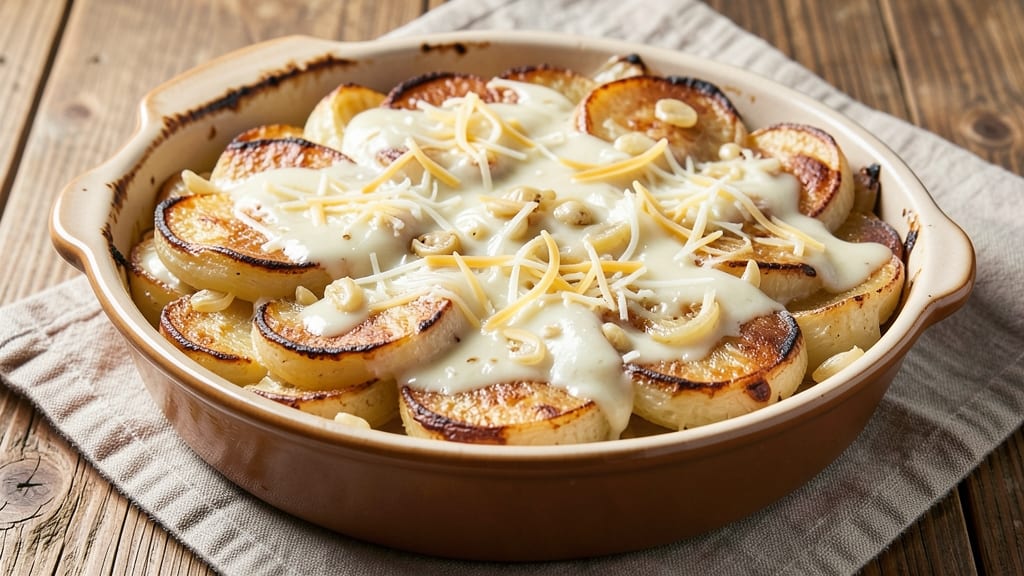
This scaloped potatoes recipe transforms humble spuds into a golden, cheesy masterpiece that rivals any restaurant dish. The secret lies in thin, even layers of potatoes baked until tender yet crispy at the edges, then crowned with a bubbling cheese sauce.
I perfected this technique after years of trial and error—no more soggy middles or uneven browning.
The beauty of scaloped potatoes is their versatility: classic versions use cream and Gruyère, while modern twists incorporate vegan cheese or cauliflower for a lighter take. Baking time varies slightly depending on your oven, but expect about 45 minutes for perfectly caramelized layers.
The aroma alone will have everyone gathering in the kitchen.
What you’ll end up with is a dish so rich and satisfying it deserves center stage—creamy, cheesy, and impossibly tender with every bite. The top becomes a golden crust, while the inside melts like butter.
This is comfort food at its finest, perfect for holiday dinners or weeknight meals when you crave something hearty.
Serve with a crisp green salad or steamed vegetables to balance the richness, or let guests pile extra cheese on top for a personalized touch. The key to success is patience in layering and baking, but the reward is a dish that feels like a warm hug on a plate.
Ingredients for scaloped potatoes
Sixteen ingredients, one dish that tastes like a restaurant hug.
| Ingredient | Amount | Notes |
|---|---|---|
| Russet Potatoes 🥔 | 3 lbs | Thinly sliced, uniform thickness |
| Heavy Cream 🥛 | 2 cups | Full-fat for best texture |
| Gruyère Cheese 🧀 | 2 cups | Freshly grated, nutty flavor |
| Sharp White Cheddar 🧀 | 1 cup | Shredded, for extra tang |
| Garlic Cloves 🧄 | 4 cloves | Minced, for aromatic depth |
| Shallots 🧅 | 2 whole | Thinly sliced, for subtle sweetness |
| Dijon Mustard 🍯 | 1 tbsp | For tangy richness |
| Dry White Wine 🍷 | ½ cup | Sauvignon Blanc preferred |
| Unsalted Butter 🧈 | 4 tbsp | Cold, cubed for crispiness |
| Fresh Thyme Leaves 🌿 | ¼ cup | Chopped, for herbal notes |
| Kosher Salt 🧂 | 1 ½ tsp | Adjust to taste |
| Ground Black Pepper 🌶️ | ½ tsp | Freshly cracked |
| All-Purpose Flour 🌾 | 2 tbsp | For thickening sauce |
| Panko Breadcrumbs 🍞 | ¼ cup | For golden top layer |
The potatoes are non-negotiable—Russets are your best bet for that creamy, fluffy texture. Grab a mandoline slicer if you want perfect even layers, but a sharp knife works too (just be patient). I always buy organic Russets from Whole Foods or my local market—they're wax-free and slice cleaner. For the cheese, Gruyère is worth hunting down at specialty stores like Di Bruno Bros, but Emmental works in a pinch. The key is grating it yourself—pre-shredded gets clumpy and ruins the texture.
No wine? Chicken broth with a splash of lemon juice mimics the acidity. Fresh thyme? Dried works at half the amount, but it won't have the same bright flavor. The shallots can be swapped for green onions if you're in a hurry, though they'll add a sharper bite. For a lighter version, use half-and-half instead of heavy cream and reduce the cheese by a third. The butter matters—European-style like Plugrá adds more flavor than regular American butter. And if you're feeling fancy, add a pinch of nutmeg to the cheese sauce for depth.
This dish reheats beautifully—just cover with foil and warm in the oven for 15-20 minutes. Leftovers keep for 4-5 days in the fridge, though I rarely have any. For make-ahead prep, assemble the dish (without baking) and refrigerate overnight—it'll taste even better the next day. The cheese sauce can be made 2 days ahead if you store it separately. Freezing isn't recommended—the texture gets grainy. If you want to prep ahead, slice the potatoes and soak them in cold water with a splash of vinegar to keep them from browning.
Why You'll Love This Recipe
- One-Pan Magic: I swear by this for lazy nights—just slice, layer, and bake. No chopping boards to clean, no extra pots, just that golden, bubbling mess in one dish. The potatoes practically cook themselves while you sip wine and pretend you’re not making dinner.
- Cheese Overload (In the Best Way): That Gruyère and sharp cheddar combo? It’s like a hug for your taste buds. The cream soaks in just enough to make it creamy but not soggy, and the garlic? Oh, it sneaks up on you—one minute you’re eating, the next you’re reaching for another slice.
- Leftovers That Don’t Suck: Honestly, this dish begs to be made extra. The next day, I pop it in the oven for 10 minutes, and it’s like eating a fresh batch—just with a little extra crisp on top. My kids fight over the slices, and my husband takes seconds without guilt. (Yes, even on a Tuesday night.)
- Budget-Friendly Luxury: Russets are cheap, heavy cream stretches, and a little Gruyère goes a long way when paired with cheddar. It’s the kind of dish that makes you feel fancy without draining your wallet. Plus, it’s the star of the meal—no side dishes needed, just pure, cheesy, potato glory.
Step-by-step instructions for scaloped potatoes
Here's how to build those perfect cheesy layers that stay creamy and golden every time.
Prepare the Potatoes for Even Cooking
Peel the 3 lbs russet potatoes and slice them into ⅛-inch thick rounds using a mandoline or sharp knife. For uniform slices, I like to stack a few together and cut through all at once. Immediately soak the slices in cold water for 10 minutes to remove excess starch—this prevents them from turning gummy during baking.
Drain well and pat completely dry with paper towels. The drier the potatoes, the crispier they'll become when baked. Arrange the slices on a baking sheet in overlapping circles, making sure each layer will fit snugly in your baking dish later. This pre-arrangement helps visualize how they'll stack and prevents gaps that would let cheese pool unevenly.
Build the Cheesy Layering Sauce
In a medium saucepan, melt 2 tbsp unsalted butter over medium heat. Add the 2 whole shallots and 4 cloves garlic cloves, cooking for 3-4 minutes until softened but not browned. Pour in the 0.5 cup dry white wine and let it simmer for 2 minutes until mostly evaporated.
Reduce heat to low and whisk in the 2 tbsp all-purpose flour, cooking for 1 minute to remove the raw taste. Slowly pour in the 2 cups heavy cream while whisking constantly to prevent lumps. Stir in the 1 tbsp dijon mustard, 0.25 cup chopped fresh thyme leaves, 1.5 tsp kosher salt, and 0.5 tsp ground black pepper. Let the sauce simmer for 5 minutes until slightly thickened—it should coat the back of a spoon but still be pourable.
Assemble the Scaloped Potatoes
Preheat your oven to 375°F. In a 9x13-inch baking dish, spread half the potato slices in overlapping circles. Pour half the cheese sauce over the potatoes, then sprinkle with 1 cup of the freshly grated gruyère cheese and half of the shredded sharp white cheddar. Repeat with another layer of potatoes, remaining sauce, and remaining cheeses.
This layered approach ensures each bite has that perfect combination of creamy sauce and crispy potato. For extra richness, I like to dot the top layer with the remaining 2 tbsp cold unsalted butter cubes. These will melt into the cheese, creating pockets of extra flavor. Sprinkle the 0.25 cup panko breadcrumbs evenly over the top for a golden, crunchy finish.
Bake to Golden Perfection
Transfer the baking dish to the preheated oven and bake for 45-50 minutes. The potatoes are done when the top is golden brown, the cheese is bubbling at the edges, and a knife inserted into the center comes out hot but clean. If the top browns too quickly, tent loosely with foil after 30 minutes to prevent over-browning while the center finishes cooking.
Let the scaloped potatoes rest for 10 minutes before serving—this allows the layers to set slightly and makes slicing easier. The dish will be hot and bubbly, with crispy edges on the potatoes and a creamy, melty cheese center that pulls gently when cut. Serve immediately with a simple green salad or crusty bread to soak up all that delicious sauce.
Optional Broiling for Extra Crisp
For an even crispier top, transfer the baked dish to the broiler for the last 2-3 minutes. Watch carefully—broilers can be aggressive! You want the cheese to turn golden brown and bubbly, not burnt. This step adds that restaurant-quality finish that makes your scaloped potatoes look and taste like you've been cooking them for years.
Real talk: This dish tastes even better the next day, as the flavors meld and the textures become even more perfect. Leftovers reheat beautifully in the oven at 350°F for 15-20 minutes until warmed through. The cheese sauce will be even creamier after resting, and the potatoes will have absorbed all those wonderful flavors.
Pro Tips For Making Scaloped Potatoes
- Parboil Thin Slices: Russets are starchy, so they’ll fall apart if you slice them raw. Drop them in boiling salted water for exactly 2 minutes before draining—just enough to soften the edges without cooking them through. This keeps layers intact when stacking, and your casserole won’t turn into a mushy mess.
- Salt the Cream: Heavy cream is bland on its own, so season it with ½ teaspoon salt and a pinch of black pepper before mixing it into the cheese. Trust me, your future self will notice the difference—no more tasting like you forgot to season the whole dish.
- Avoid Overlayering Cheese: Gruyère and cheddar melt differently. Start with a thin layer of Gruyère (it’s pricier, so don’t waste it) and sprinkle cheddar between potato layers—not just on top. This prevents a single gooey cheese blanket and keeps every bite rich but balanced.
- Bake Covered, Then Uncover: The first 30 minutes with foil on guarantees even cooking and a creamy texture. Then, remove the foil and crank the oven to 425°F for the last 10 minutes—this crisps the top without drying out the potatoes underneath. (Yes, even if you’re impatient like me.)
Pro cooking tips for this dish
Layering Like a Pro
Uniform layers are everything—use a mandoline slicer for ⅛-inch slices, but a sharp knife works too. Arrange slices in concentric circles before baking to visualize how they’ll stack. I like to overlap edges slightly so no gaps form where cheese might pool unevenly.
For extra insurance, lightly brush each layer with olive oil before adding sauce—this prevents dry spots. 🥔
Cheese Sauce Secrets
Never skip the flour slurry step—it thickens the sauce without lumps. For a silkier texture, whisk the heavy cream slowly while cooking. I add a pinch of nutmeg to the cheese mixture for depth, but omit it if you prefer classic flavor.
If your sauce separates, whisk in 1 tsp cornstarch mixed with cold water to fix it instantly.
Baking Temperature Control
Your oven’s hot spots will affect browning. Rotate the dish halfway through baking for even color. If the top browns too fast, tent with foil after 30 minutes—this keeps the center creamy while the edges crisp.
For a foolproof test, insert a knife: it should slide in easily with no resistance. 🌡️
Butter Dot Technique
Cold butter cubes on the top layer melt into the cheese, creating pockets of richness. Use European-style butter like Plugrá—it has more flavor than regular American butter. For extra crispiness, sprinkle panko breadcrumbs mixed with paprika on top before baking. This adds texture without overpowering the dish.
Resting for Perfect Texture
Never skip the 10-minute rest—this lets the layers set and prevents a runny mess. The cheese will firm up slightly, making it easier to slice. If serving a crowd, cover loosely with foil to keep warm while resting.
The first cut should reveal crispy edges and creamy centers—this is your reward for patience. ✨
Broiler Finish Trick
For a restaurant-quality crust, broil for 2-3 minutes at the end. Watch closely—broilers can burn cheese faster than you think. If the top starts to darken too quickly, move the dish farther from the heat.
This step adds that golden, bubbly finish that makes scaloped potatoes look (and taste) like a showstopper. 🔥
Nutrition facts
Frequently asked questions
Why do my layered potatoes turn out soggy instead of crispy?
Soggy potatoes usually mean excess moisture. Skip soaking the slices too long (10 minutes max), and pat them thoroughly dry with towels. Also, don't overfill your baking dish—potatoes need room to crisp. For extra insurance, brush each layer with olive oil before adding sauce.
Can I make this dish ahead of time?
Assemble the dish (without baking) up to 24 hours ahead and refrigerate. Bake straight from the fridge, adding 10-15 extra minutes to the cooking time. For the cheese sauce, make it 2 days ahead and store separately. The flavors actually improve overnight, making it even more delicious.
What's the best cheese substitute for Gruyère?
If you can't find Gruyère, try Emmental or Swiss cheese for a similar nutty flavor. For a sharper taste, use Parmesan mixed with mozzarella (50/50 ratio). Vegan option? Nutritional yeast or cashew-based cheese blends work well when combined with cream of coconut for creaminess.
How do I fix a runny cheese sauce?
If your sauce is too thin, mix 1 tsp cornstarch with 1 tbsp cold water, whisk into the sauce, and simmer for 2-3 minutes until thickened. For a richer fix, stir in 1 tbsp cold butter at the end. If it's too thick, whisk in 1-2 tbsp warm milk or cream gradually until smooth.
Can I bake this in a different shaped dish?
Yes, but adjust the baking time. A 9x9-inch square dish will bake 5-10 minutes faster than a 9x13-inch pan, while round dishes may need 10-15 minutes longer. Always check doneness with a knife—potatoes should be tender with no resistance. For odd shapes, tent with foil if the top browns too quickly.