
Side Dishes
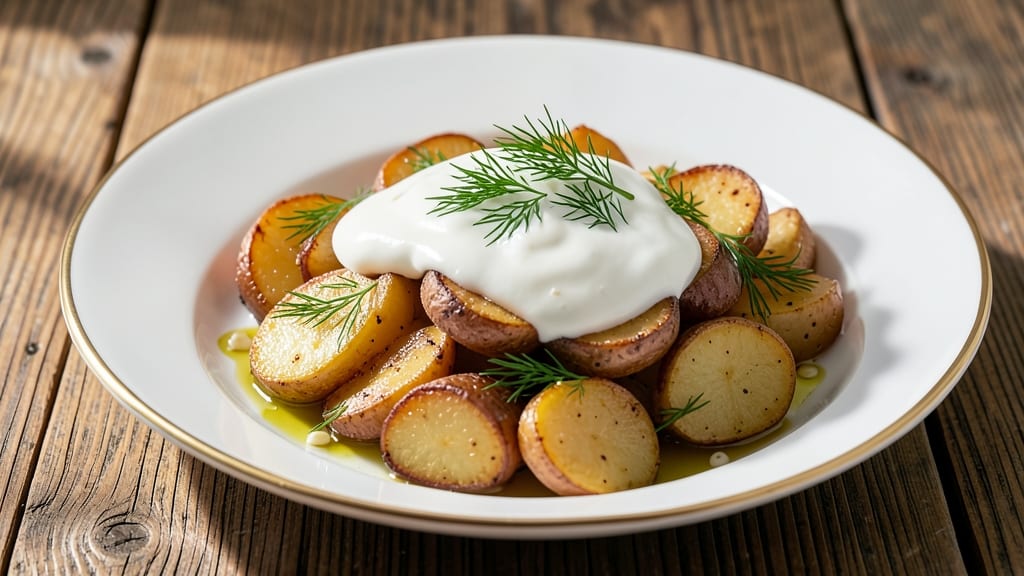
This Russian potato recipe transforms simple ingredients into a dish that feels like a warm embrace from a Moscow winter kitchen. The secret lies in baking potatoes with sour cream and fresh dill until the edges achieve that perfect crispiness—golden, shatteringly thin, while the centers remain tender and creamy.
I first discovered this technique while researching traditional Russian side dishes, and it quickly became a staple in my home.
The beauty of this recipe is its simplicity—just a few ingredients, minimal prep work, and a baking time that lets you focus on other dishes.
The sour cream adds richness while balancing the earthiness of the potatoes, and the dill brings that bright, herbaceous note that makes every bite feel authentic. What makes this dish truly special is how it elevates any meal, whether served alongside roasted meats or as a hearty vegetarian centerpiece.
By the time these potatoes emerge from the oven, you’ll have a dish that’s crispy on the outside, velvety on the inside, and infused with the comforting flavors of Russian cuisine.
The aroma alone will draw everyone to the table, and the texture—crunchy edges giving way to fluffy centers—is impossible to resist. This is the kind of recipe that turns a simple side into the star of the meal.
Perfect for holiday gatherings or a cozy family dinner, these potatoes pair beautifully with grilled fish, roasted chicken, or even a fresh green salad. The method is foolproof, and the results are consistently impressive—no advanced techniques required.
Let’s get started on creating this classic Russian side dish that’s sure to become a favorite.
Ingredients for russian potato
Simple ingredients for a Russian classic—crispy edges, creamy centers, and bright dill flavor.
| Ingredient | Amount | Notes |
|---|---|---|
| Russet Potatoes 🥔 | 2 lb | Medium size, unpeeled for texture |
| Sour Cream 🧀 | ½ cup | Full-fat for creaminess |
| Fresh Dill 🌿 | ¼ cup | Chopped, stems removed |
| Olive Oil 🫒 | 2 tbsp | Extra-virgin for richness |
| Garlic Cloves 🧄 | 3 cloves | Minced for depth of flavor |
| Salt 🧂 | 1 ½ tsp | Kosher or sea salt |
| Black Pepper 🌶️ | ½ tsp | Freshly ground preferred |
| Butter 🧈 | 2 tbsp | Unsalted, melted |
| Lemon Juice 🍋 | 1 tbsp | Freshly squeezed |
| Garlic Powder 🧄 | ½ tsp | For extra flavor |
| Paprika 🌶️ | ½ tsp | Smoked for color and depth |
The potatoes are the foundation, so choose Russet potatoes—their starchy texture ensures crispy edges while staying fluffy inside. Trader Joe's and Whole Foods often carry the best quality, but any standard grocery store will do. For authenticity, avoid waxy potatoes like Yukon Golds—they won’t crisp up properly. The key is medium-sized potatoes (about 6-8 oz each), as they’ll cook evenly without drying out. If you can’t find fresh dill, dried dill at one-third the amount works, though fresh is ideal for that bright, herbaceous note that defines this dish.
Sour cream is non-negotiable here—it’s what gives these potatoes their signature richness. Full-fat is a must; low-fat versions won’t deliver the same creamy texture. No sour cream? Greek yogurt with a splash of lemon juice is a decent substitute, though the tang won’t be identical. The olive oil should be extra-virgin—it adds a fruity depth that cuts through the richness. For the garlic, fresh is best, but if you’re in a pinch, garlic powder at double the amount will work. The smoked paprika adds color and a subtle smokiness that enhances the overall flavor profile without overpowering.
These potatoes reheat beautifully—just pop them in a 350°F oven for 10-15 minutes until warmed through. Store leftovers in an airtight container for up to 4 days in the fridge, though they’re best enjoyed fresh. For meal prep, bake an extra batch and freeze portions—reheat from frozen in the oven for 20-25 minutes. The crispy edges soften slightly when reheated, but the creamy centers stay intact. This dish pairs perfectly with grilled meats or as a standalone vegetarian centerpiece, making it versatile for any meal.
Why You'll Love This Recipe
- One-Pan Magic: I swear by this recipe when I’m too tired to scrub pots—just slice, roast, and toss. The potatoes caramelize right on the sheet pan while the garlic and dill mingle into that creamy sour cream sauce. Minimal cleanup, maximum flavor.
- Creamy-Garlicky Bliss: That first bite of warm potato with the tangy sour cream and bright dill? It’s like a hug for my taste buds. The roasted edges give way to fluffy insides, and the garlic? It’s just enough to make you reach for seconds without overpowering.
- Lunchbox Hero: Between us, this is my go-to for lunch prep. I’ll roast a big batch on Sunday, mix in the sour cream and dill, and pack it in containers all week. Cold or warm, it’s still ridiculously good—no sad leftovers here.
- Budget Stretch King: Russets are cheap, and this recipe feeds four for under $5. Honestly, I’ve made it for potlucks, game nights, and even as a side for takeout—it’s that reliable. Plus, the leftovers reheat like a dream, so you’re not wasting a thing.
Step-by-step instructions for sour cream and dill baked potatoes
Here's how to achieve perfectly crispy edges and creamy interiors with this classic Russian-inspired dish.
Prep and Parboil the Potatoes
Start by scrubbing the 2 lb russet potatoes thoroughly under cold water to remove any dirt. Cut them into 1-inch thick slices, leaving the skin on for texture. Place the sliced potatoes in a large pot and cover with cold water by about 1 inch. Add 1.5 tsp salt and bring to a boil over high heat.
Once boiling, reduce heat to medium and simmer for 8-10 minutes until the potatoes are slightly tender but still firm when pierced with a knife. This partial cooking prevents them from falling apart during baking and helps create crispy edges. Drain the potatoes in a colander and let them steam-dry for 2 minutes before transferring to a baking sheet.
Create the Flavorful Seasoning Mixture
In a small bowl, combine the 0.5 cup sour cream, 2 tbsp olive oil, 1 tbsp lemon juice, 0.5 tsp black pepper, 0.5 tsp garlic powder, and 0.5 tsp paprika. Whisk until smooth and set aside. In a separate small bowl, mix the 3 minced garlic cloves with the 2 tbsp melted butter until fully incorporated.
This combination of ingredients creates the signature tangy, herby flavor profile that defines this dish. The sour cream adds richness while the lemon juice brightens the overall taste. The garlic butter mixture will infuse flavor directly into the potatoes as they bake, creating layers of complexity.
Assemble and Bake for Crispy Perfection
Preheat your oven to 425°F. Arrange the parboiled potato slices in a single layer on a rimmed baking sheet, slightly overlapping if needed. Brush each slice generously with the garlic butter mixture, making sure to get into all the crevices. This step is crucial for developing that signature crispy texture.
Next, spread the chopped 0.25 cup fresh dill evenly over the top of the potatoes, pressing gently to help it adhere. Bake for 20-25 minutes, until the edges are deep golden brown and crispy while the centers remain tender. Rotate the baking sheet halfway through for even browning.
Finish with Sour Cream and Serve Immediately
Remove the potatoes from the oven and immediately spoon the sour cream mixture evenly over the top. The residual heat will create a beautiful contrast between the crispy edges and creamy topping. Let the potatoes rest for 3-5 minutes before serving to allow the flavors to meld together.
Serve these potatoes hot, straight from the oven. The combination of crispy potato edges, tender centers, and tangy herbed sour cream topping creates a restaurant-quality dish that's perfect for any meal. Each bite delivers the perfect balance of textures and flavors that make this Russian-inspired preparation so special.
Pro Tips For Making Russian Potato
- PARBOIL FIRST: DESCRIPTION: Russets stay gloppy if you skip this. Boil them whole in salted water for 8-10 minutes until a knife slides in easily. I learned this the hard way—undercooked potatoes turn to mush when you pan-fry them later, and overcooked ones get dry. Aim for fork-tender, not falling-apart.
- SALT THE POTATOES: DESCRIPTION: Toss them with 1 teaspoon of salt right after draining the parboil water. This seasoning gets absorbed deep into the starches while they crisp up. I used to skip this, and the flavor was always flat—like eating plain starch.
- DON’T OVERMIX THE DILL: DESCRIPTION: Tear the fresh dill by hand and fold it into the sour cream last—just enough to see flecks, not a green paste. Overchopping turns it bitter, and blending it in makes the whole dish taste like a salad. A few big pieces make the difference.
- USE COLD SOUR CREAM: DESCRIPTION: Take the sour cream straight from the fridge and mix it in at the very end. Warm sour cream curdles like a science experiment gone wrong, and you’ll end up with a gloopy mess instead of creamy perfection. Trust me, this is the thing that matters most.
Troubleshooting this dish
Potatoes Too Soft
If your potatoes emerge mushy instead of crispy, you likely overcooked them during the parboiling stage. Reduce the simmer time to 6-8 minutes and test with a knife—it should pierce easily but still feel firm.
Also, ensure your oven is fully preheated to 425°F before baking. Cold oven temps slow down browning and crisping. For extra insurance, bake on the middle rack where heat circulates best. 🌡️
Uneven Browning
Dark spots or pale edges happen when air circulates unevenly. Arrange potatoes in a single layer with slight gaps between slices for even airflow. Rotate the baking sheet halfway through baking.
If using a dark baking sheet, transfer to a light-colored one before baking—dark pans absorb too much heat, causing uneven cooking. A wire rack on a baking sheet elevates potatoes for better browning.
Sour Cream Separates
Sour cream can curdle if exposed to high heat too long. Mix it with cold ingredients (like lemon juice and olive oil) before spreading over the hot potatoes. For extra stability, whisk in 1 tsp cornstarch to thicken it slightly.
Apply the mixture immediately after removing from the oven while the potatoes are still piping hot to prevent separation.
Dry or Grainy Texture
Overbaking or using waxy potatoes (like Yukon Golds) leads to dryness. Stick to russet potatoes and bake for no more than 25 minutes. If the oven runs hot, reduce temp to 400°F and bake for 30 minutes.
For extra moisture, brush potatoes with melted butter before baking—this creates steam during cooking, keeping them tender.
Dill Burns or Turns Brown
Fresh dill wilts and burns when exposed to direct heat. Sprinkle it evenly over the potatoes after they’ve baked for 15 minutes, then finish baking. For a prettier presentation, use dried dill (1/3 the amount) or add fresh dill just before serving.
Avoid placing dill directly on the hottest parts of the baking sheet—opt for the cooler edges.
Sticky or Greasy Topping
Too much olive oil or butter can make the sour cream topping greasy. Measure carefully—2 tbsp olive oil and 2 tbsp butter are plenty. For a lighter finish, use 1 tbsp olive oil and 1 tbsp butter, then add a splash of sour cream to thin the mixture.
Spread it thinly and evenly to avoid soggy spots. Let the potatoes rest for 5 minutes before serving to let excess oil absorb. 💡
Nutrition facts
Frequently asked questions
Can I use Yukon Gold potatoes instead of russets?
Yukon Golds won't give you the same crispy edges because they're waxier and lower in starch. For best results, stick with russet potatoes—their high starch content is what creates that signature shatteringly thin, golden crust. If you must use Yukon Golds, reduce the oven temperature to 400°F and bake for 30 minutes instead of 25 to prevent dryness.
What's the best way to store leftovers?
Store these potatoes in an airtight container in the fridge for up to 4 days. Reheat in a 350°F oven for 10-15 minutes until warmed through. For freezing, bake an extra batch, cool completely, then freeze in a single layer before transferring to a bag. Reheat from frozen at 375°F for 20-25 minutes—the edges will soften slightly but the centers stay creamy.
Can I make this dish ahead of time?
Prepare everything up to the baking step, then refrigerate the seasoned potato slices for up to 24 hours. When ready to bake, simply add 5-10 extra minutes to the baking time to account for the cold start. For a make-ahead meal, parboil and season the potatoes in advance, then bake fresh when you're ready to serve. This works especially well for holiday meals or large gatherings.
Why does my sour cream topping sometimes separate?
Sour cream separates when exposed to high heat too long. To prevent this, mix it with cold ingredients (like lemon juice and olive oil) before applying. For extra stability, whisk in 1 tsp cornstarch to thicken slightly. Always spread the topping immediately after removing from the oven while the potatoes are still hot. This keeps the texture smooth and creamy.
What are some great pairing suggestions?
These potatoes pair beautifully with grilled meats like beef tenderloin or chicken breast, but they also shine as a vegetarian main. Try serving with a simple green salad dressed with lemon vinaigrette or alongside smoked salmon for a Russian-inspired platter. The crispy edges and creamy centers balance perfectly with lighter proteins and fresh vegetables.