
Side Dishes
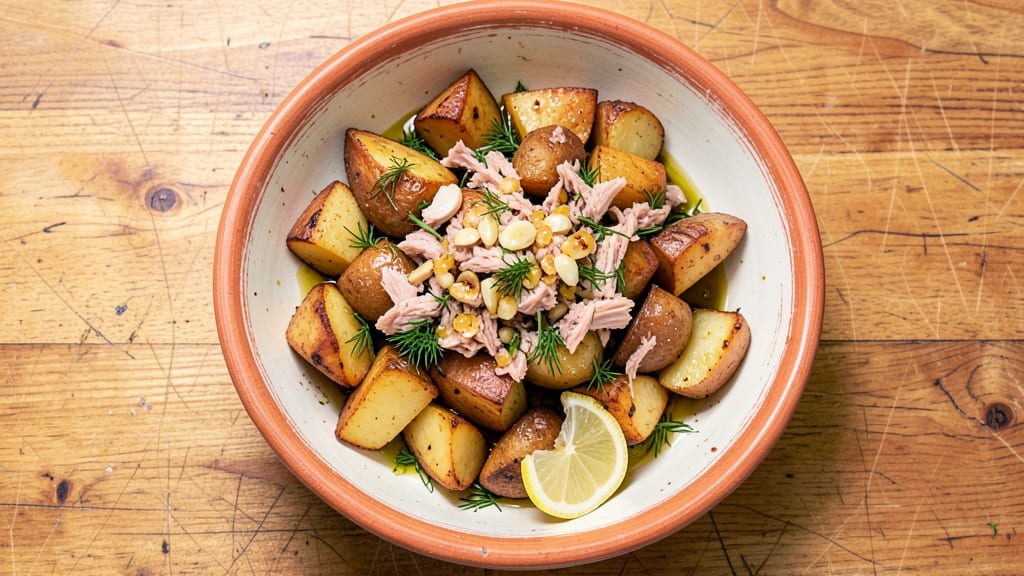
Transforming simple potatoes and canned tuna into a protein-packed side dish that feels like a full meal is easier than you think. This one-bowl recipe combines creamy potatoes with flaky tuna, creating a satisfying dish that’s perfect for pescatarians or anyone looking for a quick, budget-friendly protein boost.
The beauty lies in its versatility—whether you bake, boil, or pan-fry the potatoes, the result is a hearty side that pairs perfectly with grilled fish, salads, or even on its own.
What sets this recipe apart is how effortlessly it balances texture and flavor. The potatoes develop a tender yet slightly crispy edge when cooked just right, while the canned tuna adds a briny, savory depth that ties everything together.
A simple seasoning blend of garlic, lemon, and herbs elevates the dish without overpowering the natural flavors of the ingredients. It’s the kind of recipe that proves simple ingredients can deliver restaurant-quality results with minimal effort.
By the time you’re done, you’ll have a creamy, protein-rich side that’s ready in under 30 minutes—no fancy techniques required. The dish holds up well as a standalone meal or as a complement to grilled proteins, making it ideal for weeknight dinners or meal prep.
Whether you’re serving it as a mash, a casserole, or a salad base, the possibilities are endless. Let’s get started with this foolproof method that turns pantry staples into something extraordinary.
The best part? This recipe adapts seamlessly to your preferences. Swap in roasted potatoes for extra crunch, add fresh herbs for brightness, or mix in a dollop of Greek yogurt for creaminess.
It’s the kind of dish that feels customizable yet always delivers on flavor. Ready to elevate your next meal with this easy, protein-packed side? Here’s how to make it.
Ingredients for potato and canned tuna
Pantry staples meet protein power—creamy potatoes and flaky tuna combine effortlessly for a satisfying side.
| Ingredient | Amount | Notes |
|---|---|---|
| Russet Potatoes 🥔 | 2 lbs | Yukon gold works too, cut into 1-inch cubes |
| Canned Tuna in Water 🐟 | 2 cans | 5 oz each, drained well |
| Extra-Virgin Olive Oil 🫒 | ¼ cup | For roasting potatoes, fruity variety preferred |
| Fresh Garlic Cloves 🧄 | 4 cloves | Minced for maximum flavor |
| Fresh Lemon Juice 🍋 | 2 tbsp | Freshly squeezed, brightens flavors |
| Fresh Dill 🌿 | ¼ cup | Chopped, or 1 tbsp dried |
| Plain Greek Yogurt 🥛 | ½ cup | Full-fat for creaminess |
| Salt 🧂 | 1 ½ tsp | Kosher or sea salt |
| Black Pepper 🌶️ | ½ tsp | Freshly ground for best flavor |
| Low-Fat Milk 🥛 | ¼ cup | For creaminess, optional |
| Butter 🧈 | 2 tbsp | Unsalted, for finishing |
| Green Onions 🧅 | 3 whole | Sliced, for garnish |
The potatoes are the foundation, so choose Russet or Yukon Gold—they hold their shape beautifully when roasted. Trader Joe's and Whole Foods carry organic options if you prefer, but regular potatoes work just fine. Cut them into 1-inch cubes for even cooking. For extra crispiness, toss them with a little olive oil and salt before roasting. If you're short on time, microwave-steamed potatoes (pierce first, 10-12 minutes) work in a pinch—just adjust the seasoning afterward since microwaving can mute flavors. The tuna? Stick with high-quality brands like Starkist or Wild Planet—the difference in texture and taste is noticeable.
No fresh dill? Dried dill at one-third the amount or even fresh parsley will work in a bind. Swapping Greek yogurt for sour cream or crème fraîche adds richness, though it’ll be heavier. Running low on olive oil? Avocado oil or melted butter both work, but olive oil’s fruity notes complement the tuna best. For a tangier kick, add a splash of white wine or apple cider vinegar to the lemon juice. If you’re avoiding dairy, skip the yogurt and milk entirely—the potatoes alone will still be creamy from their starch. And if you’re using light tuna**, drain it extra well to keep the dish from getting soggy.
This dish reheats beautifully—just 5 minutes in the microwave with a splash of milk or water to restore creaminess. Store leftovers in an airtight container for up to 4 days in the fridge, though it’s best within 2 days for optimal texture. For meal prep, portion into individual containers with a sprinkle of green onions on top—they’ll stay fresh and ready to grab. Freezing isn’t ideal here (the potatoes get gummy), but you can freeze the uncooked potato-tuna mix for up to 3 months if you’re planning ahead. Just roast straight from frozen, adding an extra 5-7 minutes.
Why You'll Love This Recipe
- One-Pan Magic: I swear by this recipe when I’m too tired to wash dishes—just slice those Russets, toss them in olive oil and garlic, roast until golden, then flake in the tuna and lemon. No pots, no pans, just crispy edges and zero cleanup.
- Garlic-Lemon Zing: That bright lemon juice cutting through the richness of the tuna? Chef’s kiss. The garlic roasts into sweet, caramelized bites while the potatoes soak it all up—simple ingredients, but the flavor? Ridiculously addictive.
- Lunchbox Hero: Between us, this is my go-to for packed lunches. Roast a big batch on Sunday, let it cool, and portion it into containers—no soggy sandwiches here. Add a sprinkle of parsley if you’re feeling fancy, but honestly? The tuna and potatoes alone do the job.
- Budget Meal Winner: I feed four people for under $10 with this. Canned tuna is my pantry MVP, and Russets are cheap as dirt. Leftovers? Even better cold the next day—perfect for a quick salad or wrap when you’re starving but short on time.
Step-by-step instructions for potato and canned tuna recipe
This one-bowl dish combines hearty roasted potatoes with flaky tuna for a protein-rich side that's simple yet satisfying.
Roast the Potatoes Until Golden and Tender
Preheat your oven to 425°F. Cut the 2 lbs russet potatoes into 1-inch cubes and place them in a large bowl. Drizzle with the 0.25 cup extra-virgin olive oil and toss to coat evenly. Spread the potatoes in a single layer on two rimmed baking sheets, ensuring they don't overlap.
Season immediately with 1 teaspoon of the 1.5 tsp salt and 0.25 tsp of the 0.5 tsp black pepper. Roast for 25-30 minutes, flipping halfway through, until the edges are golden brown and the potatoes are fork-tender. The potatoes should be crispy on the outside while remaining tender inside—this balance is key to the texture.
Prepare the Tuna and Herb Mixture
While the potatoes roast, drain the 2 cans canned tuna in water thoroughly and flake it into a medium bowl using a fork. Add the 0.25 cup chopped fresh dill, 4 cloves minced fresh garlic cloves, 2 tbsp fresh lemon juice, and the remaining 0.5 tsp salt and 0.25 tsp black pepper. Mix gently to combine, being careful not to overwork the tuna, which can make it rubbery.
In a small saucepan, warm the 0.25 cup low-fat milk and 2 tbsp butter over low heat until the butter melts completely. Remove from heat and stir in the 0.5 cup plain Greek yogurt until smooth. This warm mixture will later bind everything together beautifully.
Combine and Finish the Dish
Once the potatoes are roasted, transfer them to a large bowl. Add the tuna mixture and gently fold everything together. Pour the warm milk-yogurt mixture over the top and stir until fully incorporated. The potatoes should be coated in the creamy sauce, and the tuna should be evenly distributed throughout.
Taste and adjust seasoning if needed. The dish should be bright from the lemon, herby from the dill, and well-seasoned with salt and pepper. If the sauce is too thick, add a splash of water or reserved pasta water to reach your desired consistency.
Garnish and Serve Warm
Transfer the potato-tuna mixture to a serving dish. Slice the 3 whole green onions into thin rounds and sprinkle them evenly over the top for a fresh finish. Serve immediately while warm, as the flavors meld best when freshly combined. This dish pairs perfectly with grilled meats, crusty bread, or as a standalone protein-rich side.
For best results, serve within 30 minutes of assembly to enjoy the warm, creamy texture. If reheating, gently warm in a skillet over low heat with a splash of water to prevent drying out.
Pro Tips For Making Potato And Canned Tuna
- PRE-COOK POTATOES FIRST: Boil or microwave the Russets until just fork-tender (about 8-10 minutes for cubes) before mixing with tuna. Cold potatoes prevent a gummy, gluey mess—trust me, I’ve made this mistake at least five times. Drain well and let them cool slightly so the olive oil clings instead of steaming away.
- DRAIN AND RINSE TUNA: Open the canned tuna, drain it completely, then give it a quick cold-water rinse in a colander. This removes excess oil and salt that’ll make your dish taste flat or overly briny. I learned this after my first batch turned out like a sad, waterlogged salad.
- SMASH GARLIC, DON’T CHOP: Use the flat side of your knife to crush 3-4 garlic cloves directly in the pan with the olive oil before adding anything else. The released juices infuse faster and deeper than minced garlic ever could—no waiting for aroma to build. (Yes, it looks messy, but it works.)
- FINISH WITH ZEST: Toss in the lemon juice last, then sprinkle with freshly grated lemon zest—about 1 teaspoon. The zest adds a bright, aromatic punch without overpowering, and it’s the one thing that turns this from "weeknight meal" to "I’d eat this again" status. (Save the zest from 1 lemon; it’s worth the 30 seconds.)
Troubleshooting great potato and canned tuna
Potatoes Too Dry
If your roasted potatoes end up dry and crumbly, you likely overcooked them or didn’t use enough liquid in the final step. To fix this, reduce oven time by 5 minutes next time and check for doneness at 20 minutes.
For extra moisture, stir in 2 tbsp warm milk or broth when combining with the tuna mixture. I also recommend covering the baking sheet with foil after the first 15 minutes of roasting to trap steam and prevent drying. 💧
Tuna Too Soggy
Soggy tuna happens when excess moisture from the potatoes or canned tuna isn’t drained properly. Always pat the tuna dry with paper towels before adding it to the mix.
If the dish still feels watery, drain the potatoes briefly after roasting by spreading them on a clean kitchen towel for 2-3 minutes before combining. For extra insurance, use high-quality tuna in water (like Wild Planet)—these brands drain better than cheaper alternatives. 🐟
Sauce Separates
The creamy sauce may split if the butter and milk mixture cools too quickly. To prevent this, keep the milk-butter mixture warm until just before combining with the potatoes. Stir in the Greek yogurt last and fold everything together gently.
If separation occurs, whisk in 1 tbsp cold water to re-emulsify. For a smoother texture, heat the milk and butter to 160°F before mixing with yogurt. 🥛
Flavor Too Bland
If your dish lacks brightness, the lemon and herbs need more emphasis. Double the lemon juice to 4 tbsp for a zesty kick, and add 1 tsp lemon zest for extra depth. For herbs, swap dill for parsley or add 1 tbsp capers for a briny contrast.
If the tuna tastes flat, rinse it under cold water before draining to remove excess sodium, then toss with 1 tsp smoked paprika for warmth. 🌿
Uneven Cooking
Potatoes cooking unevenly usually means they weren’t cut uniformly or overlapped on the baking sheet. Use a mandoline for even 1-inch cubes—this ensures consistent doneness. Arrange potatoes single-layered with space between them on the sheet.
If using a crowded pan, rotate the sheet halfway through roasting. For stovetop alternatives, boil potatoes until fork-tender (about 15 minutes), then pan-fry in olive oil until crispy. 🔥
Meal Prep Gone Wrong
Leftovers can turn gummy if stored improperly. Portion into airtight containers with a thin layer of olive oil on top to preserve moisture. Reheat in a skillet over low heat with 1 tbsp water or milk to restore creaminess.
Avoid microwaving directly—it dries out the potatoes. For best results, reheat within 2 days of cooking. If freezing, cook only the potatoes, then mix with tuna fresh after thawing. ❄️
Nutrition facts
Frequently asked questions
Can I use sweet potatoes instead of russets?
Sweet potatoes work beautifully and add natural sweetness that pairs well with the briny tuna. Just reduce the roasting time to 20-25 minutes since they cook faster than russets. For extra flavor, toss them with a pinch of cinnamon or smoked paprika before roasting.
How do I make this dish without dairy?
Skip the Greek yogurt and milk entirely—the potatoes release enough starch to create creaminess. Instead, stir in 2 tbsp olive oil or avocado oil when combining with the tuna, and add 1 tbsp nutritional yeast for a cheesy flavor. The lemon and dill will keep it bright and fresh.
Can I make this ahead of time for meal prep?
Yes, but with a few key adjustments. Cook the potatoes fully, then store them in an airtight container with a thin layer of olive oil to keep them moist. Add the tuna and sauce fresh when ready to eat, or assemble everything 1 day ahead and reheat gently in a skillet with 1 tbsp water to restore creaminess.
What’s the best way to reheat leftovers?
Never microwave directly—it makes the potatoes gummy. Instead, warm in a skillet over low heat with 1 tbsp milk or water for 3-5 minutes, stirring occasionally. For extra crispiness, broil for 2 minutes at the end.
Can I substitute canned tuna with another protein?
Certainly! For a seafood twist, try canned salmon or sardines (drained well). For non-fish options, use chickpeas (rinsed) or crumbled cooked chicken. Adjust seasoning—salmon benefits from extra lemon, while chickpeas may need more garlic and cumin.