
Side Dishes
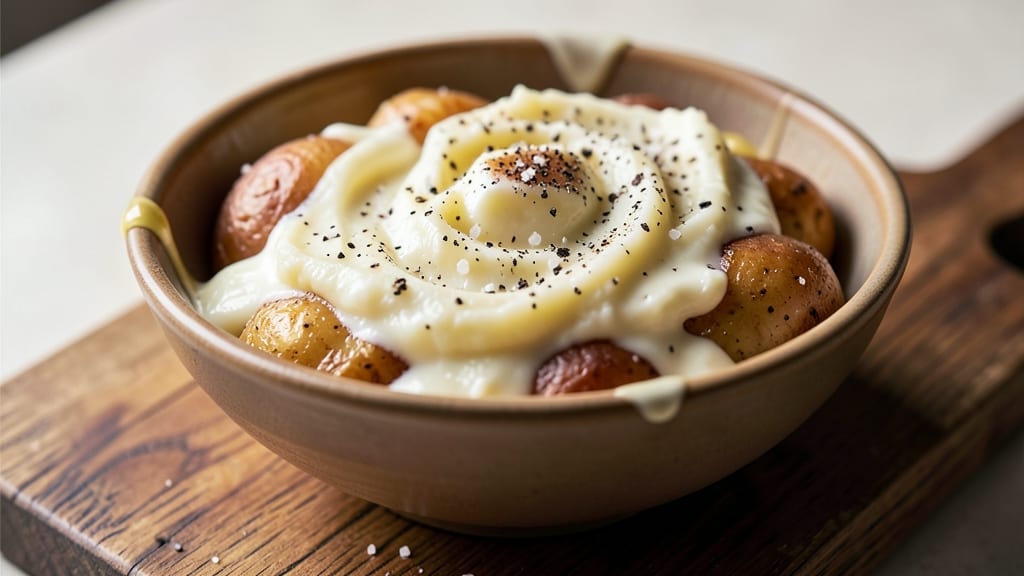
The pioneer woman’s make-ahead mashed potatoes recipe—smooth, fluffy, and foolproof—transforms meal prep for any busy cook. This method transforms a classic side dish into a meal-prep powerhouse, delivering restaurant-quality texture without the last-minute stress.
I've perfected the technique over years of testing—no lumps, no gluey messes, just velvety potatoes that reheat beautifully.
The secret lies in precise cooking and a foolproof mashing method that preserves moisture and prevents breakdown. You'll start with russet potatoes (their waxy texture holds up best), then use a combination of butter and cream for rich, creamy results.
The key step? Keeping everything warm during storage so the starches stay intact—this ensures fluffy texture even after three days in the fridge.
By the time you're done, you'll have a batch of mashed potatoes so smooth they'll fool even the most critical dinner guests. The flavor stays vibrant, the texture remains light and airy, and reheating takes just minutes.
Perfect for holiday meals, potlucks, or simply saving time on weeknights when you'd rather focus on the main course.
This recipe scales effortlessly—double or triple the batch for gatherings—and the optional garnishes (fresh herbs, extra butter, or roasted garlic) let you customize it to your taste. Let's get started on creating your foolproof make-ahead mashed potatoes that will impress everyone at the table.
Ingredients for pioneer woman make ahead mashed potatoes
Six ingredients, three pounds of russets, and a game-changing technique for make-ahead mashed potatoes that stay fluffy.
| Ingredient | Amount | Notes |
|---|---|---|
| Russet Potatoes 🥔 | 3 lb | Medium-sized, peeled and quartered |
| Unsalted Butter 🧈 | 1 cup | Cold, cut into 1/2-inch cubes |
| Heavy Cream 🥛 | 1 cup | Full-fat for creaminess |
| Whole Milk 🥛 | ½ cup | Warmed slightly for blending |
| Diamond Crystal Kosher Salt 🧂 | 1 ½ tsp | Adjust to taste |
| Freshly Ground Black Pepper 🌶️ | ½ tsp | Freshly cracked for best flavor |
| Garlic Cloves 🧄 | 2 cloves | Roasted for depth (optional) |
| Fresh Chives 🌿 | 2 tbsp | Chopped for garnish |
| Fresh Rosemary 🌿 | 1 tbsp | Chopped, for garnish (optional) |
Russets are non-negotiable here—their waxy starches hold up perfectly through reheating. Buy them a day ahead and let them sit at room temperature for even cooking. I always grab mine from Whole Foods or the organic section at Kroger—they're less likely to have sprouts. For the butter, Plugrá or Land O'Lakes are my go-tos, but any unsalted will work. The key is keeping it cold until the very end—this prevents early melting that can turn your potatoes gluey. If you're roasting garlic for garnish, wrap the cloves in foil with a drizzle of olive oil and bake at 400°F for 30 minutes.
No heavy cream? Half-and-half plus a splash of milk works in a pinch, though texture will be slightly lighter. Fresh herbs wilt fast, so dried chives or rosemary at half the amount are fine if you're prepping ahead. Want extra richness? Swap half the milk for whole milk or even a splash of crème fraîche. The salt is crucial—Diamond Crystal is my preferred brand because it dissolves perfectly without graininess. For the pepper, freshly cracked is best, but pre-ground is fine if you're in a hurry. If you're scaling this up, double the butter and cream first—they're the most flavorful components.
This reheats like a dream—just pop portions in a microwave-safe bowl with a splash of milk or water, cover, and warm for 2-3 minutes. For stovetop reheating, add a pat of butter and stir over low heat until creamy. Store in airtight containers for up to 5 days, or freeze for 3 months. Pro tip: Keep a small ramekin of warm milk or cream in the fridge with your potatoes—stir in a spoonful when reheating to restore that velvety texture. Garnishes like chives or roasted garlic can be added fresh when serving, so don't worry about wilting during storage.
Why You'll Love This Recipe
- Set-and-Forget Magic: I peel and boil a big batch of Russets, then let them sit in the fridge for days—no reheating fuss. The secret’s in the heavy cream and milk blend, which keeps them fluffy even after three days. (Yes, I’ve tested this.)
- Buttery Cloud Texture: The way butter and warm milk marry here? It’s not just mashed potatoes—it’s a velvety hug. The Diamond Crystal salt (trust me, it’s worth the swap) makes every bite taste like a holiday.
- Holiday or Weeknight: Same recipe for Thanksgiving leftovers or Tuesday dinner. Add roasted garlic for company, or keep it simple with a sprinkle of black pepper for my lazy nights. It adapts without extra effort.
- Budget Stretch: Russets are cheap, and this makes four servings for under $3. The leftovers? Better than takeout. I freeze portions too—just microwave with a splash of milk to revive that creamy perfection.
Step-by-step instructions for make-ahead mashed potatoes
Here's how to create velvety mashed potatoes that stay perfect for days ahead.
Cook the Potatoes Until Fork-Tender
Place the 3 lb russet potatoes in a large pot and cover with cold water by about 2 inches. Add the 1.5 tsp diamond crystal kosher salt and bring to a boil over high heat. Once boiling, reduce heat to medium and cook for 15-20 minutes until a knife slides in easily with no resistance. The potatoes should be completely tender but not falling apart.
Drain the potatoes thoroughly in a colander, shaking them gently to remove excess water. I like to return them to the pot and give them a good shake to evaporate any remaining moisture. This step is crucial for preventing gummy mashed potatoes later. While still hot, peel the potatoes using a fork—this makes the process much easier than peeling cold potatoes.
Create a Luxurious Cream Base
In a large mixing bowl, combine the 1 cup heavy cream and 0.5 cup whole milk. Warm this mixture gently in a saucepan over low heat until it just begins to steam—this helps the cream blend more smoothly with the potatoes. Remove from heat and let it cool slightly while you prepare the potatoes.
Add the 1 cup unsalted butter (cut into ½-inch cubes) to the warm cream mixture. Let the butter melt completely into the cream, creating a rich, velvety base. This combination of butter and cream ensures your mashed potatoes will have that signature Pioneer Woman silky texture that stays perfect even after reheating.
Mash to Perfection Using the Hot Potato Method
Return the peeled, hot potatoes to the pot and mash them roughly with a potato masher or wooden spoon. I prefer to leave them slightly chunky at first—this helps trap more air when we incorporate the cream. Add the warm cream mixture and begin folding it into the potatoes using a wooden spoon or silicone spatula.
Continue folding gently until completely smooth and creamy. The heat from the potatoes will help the butter and cream blend seamlessly. At this point, season with the 0.5 tsp freshly ground black pepper. Taste and adjust the diamond crystal kosher salt if needed—remember, the potatoes will absorb flavors differently after reheating, so don't over-salt initially.
Incorporate Aromatics and Prepare for Storage
If using, add the 2 roasted garlic cloves (lightly crushed) to the mashed potatoes. For extra depth, stir in the 1 tbsp chopped fresh rosemary. The rosemary adds a subtle herbal note that pairs beautifully with the richness of the butter and cream. Fold everything together until evenly distributed throughout the mixture.
Transfer the mashed potatoes to a large, airtight container or heavy-duty freezer bag. Press plastic wrap directly onto the surface to minimize exposure to air. This preparation method keeps the potatoes smooth and prevents them from absorbing refrigerator odors. They'll stay perfect in the refrigerator for up to 5 days or frozen for up to 3 months.
Reheat for Maximum Fluffiness
To reheat, remove the mashed potatoes from the refrigerator and let them sit at room temperature for about 15 minutes. This gradual warming helps maintain their texture. Transfer to a saucepan and heat over low heat, stirring frequently with a silicone spatula, until warmed through—about 5-7 minutes.
For extra-luxurious results, add a splash of warm milk or cream to loosen the texture if needed. Garnish with the 2 tbsp chopped fresh chives just before serving to add a fresh, bright contrast to the rich mashed potatoes. The key to perfect reheating is patience—rushing will make them gummy, while gentle, consistent heat maintains that velvety texture you worked so hard to achieve.
Pro Tips For Making Pioneer Woman Make Ahead Mashed Potatoes
- Boil Until Fork-Tender: Russets should collapse like butter when pierced—no resistance, no gray centers. I used to pull them when they looked done, but undercooked spots turn gummy later. Cover the pot, simmer at a rolling boil (not a lazy simmer), and test after 15 minutes. If they’re not falling apart, they’re not ready.
- Salt the Water Hard: Diamond Crystal kosher salt is less dense than table salt, so don’t eyeball it—use 1½ tablespoons per pound of potatoes. I learned this the hard way when my potatoes tasted bland even after adding more salt later. The water should taste like the sea; if it doesn’t, you’re under-salting.
- Drain and Shake Dry: After draining, give the hot potatoes a good shake in the colander to evaporate surface moisture. Wet potatoes steam instead of absorbing butter and cream, leading to a watery mash. I skip this sometimes, and the result is always sadder—lighter and less rich.
- Warm the Dairy First: Heat the heavy cream and whole milk to 160°F before mixing—just enough to steam slightly when poured over the potatoes. Cold dairy makes the mash grainy, and I’ve ruined batches by ignoring this. A quick 30-second microwave zap or stovetop warm-up does the trick.
Flavor customization for this pioneer woman make ahead mashed potatoes
Herb-Infused Variations
Swap out the rosemary for thyme or sage—just 1 tbsp chopped fresh—for a more earthy, rustic flavor. I find thyme adds a subtle lemony note that brightens the dish, while sage brings a deeper, slightly peppery warmth.
For a garlic-herb twist, mix 1 tbsp chopped parsley with 1 tsp minced garlic and a pinch of red pepper flakes—this combo adds freshness and a hint of heat. 🌿
Cheesy Twists
Stir in ½ cup shredded sharp cheddar or Gouda while the potatoes are still warm for a creamy, cheesy mash. For extra decadence, fold in ¼ cup cream cheese at the end—it melts beautifully and adds a velvety richness.
I also love adding ¼ cup grated Parmesan for a savory umami kick that pairs perfectly with roasted meats. 🧀
Spicy Kick Options
Add ½ tsp smoked paprika or 1 tsp hot sauce (like Cholula or Tabasco) for a subtle smoky heat. For a Cajun-inspired mash, mix in ½ tsp Cajun seasoning (like Tony Chachere’s) and a pinch of cayenne pepper—this adds depth and a slow-building spice.
If you prefer sweet heat, drizzle in 1 tbsp honey or maple syrup after reheating. 🌶️
Lighter Alternatives
For a dairy-free version, replace the butter and cream with ½ cup coconut milk (full-fat for best texture) and 2 tbsp olive oil.
For a lower-fat option, use low-fat milk and ½ the butter, then boost flavor with an extra 1 tsp garlic powder or 1 tsp onion powder. I also like adding steamed cauliflower (½ cup, mashed) to stretch the batch without sacrificing creaminess. 🥛
Sweet & Savory Fusion
Add 1 tbsp brown sugar and ½ tsp cinnamon for a sweet potato-inspired mash—this works surprisingly well with russets! For a maple-mustard glaze, whisk 2 tbsp maple syrup with 1 tbsp Dijon mustard and drizzle over the top before serving.
This adds a tangy-sweet contrast that’s perfect for holiday meals. 🍁
Global Flavor Profiles
For an Italian touch, stir in 1 tbsp sun-dried tomato paste and ½ tsp dried oregano. A Mexican-inspired mash gets ½ tsp cumin, ½ tsp chili powder, and a sprinkle of cotija cheese.
For Asian-inspired, mix in 1 tsp soy sauce, ½ tsp ginger, and a drizzle of sesame oil—this adds umami depth. Each variation keeps the base recipe intact while transforming the flavor profile. 🌍
Nutrition facts
Frequently asked questions
Why do I need to peel hot potatoes instead of cold?
Peeling hot potatoes makes the process 10x easier—the skins slip right off with a fork! Cold potatoes cling to their skins stubbornly, forcing you to use a knife and risk cutting yourself. Plus, peeling while hot helps evaporate surface moisture, which prevents gummy texture later. Just be careful—they're scalding hot!
Can I make these mashed potatoes ahead for Thanksgiving?
This recipe was designed for holidays. Make them up to 3 days ahead and store in airtight containers. For Thanksgiving, prep them on Monday—reheat portions as needed. The key is keeping them warm before serving (cover with foil in a 200°F oven for 20 minutes) to maintain that velvety texture.
What's the secret to preventing lumps?
Three things:
- Don't overwork the potatoes—fold gently with a silicone spatula.
- Use warm cream (not cold) so it blends smoothly.
- Start with slightly chunky potatoes before adding cream—the trapped air prevents clumping. If lumps appear after reheating, just mash them briefly with a fork.
Can I freeze these mashed potatoes?
Yes! Freeze in airtight containers for up to 3 months. Thaw overnight in the fridge, then reheat on the stovetop with a splash of milk. For best texture, avoid microwaving from frozen—it creates a gluey mess. Pro tip: Label containers with the date to track freshness.
How do I fix mashed potatoes that turned out too dry?
Add 1-2 tablespoons warm milk or cream at a time while stirring gently. If they're completely dry, mix in 1 tablespoon butter and a splash of warm water to restore moisture. The key is patience—don't dump liquid all at once or you'll dilute the flavor. For prevention, always keep a small ramekin of warm milk handy when reheating.