
Side Dishes
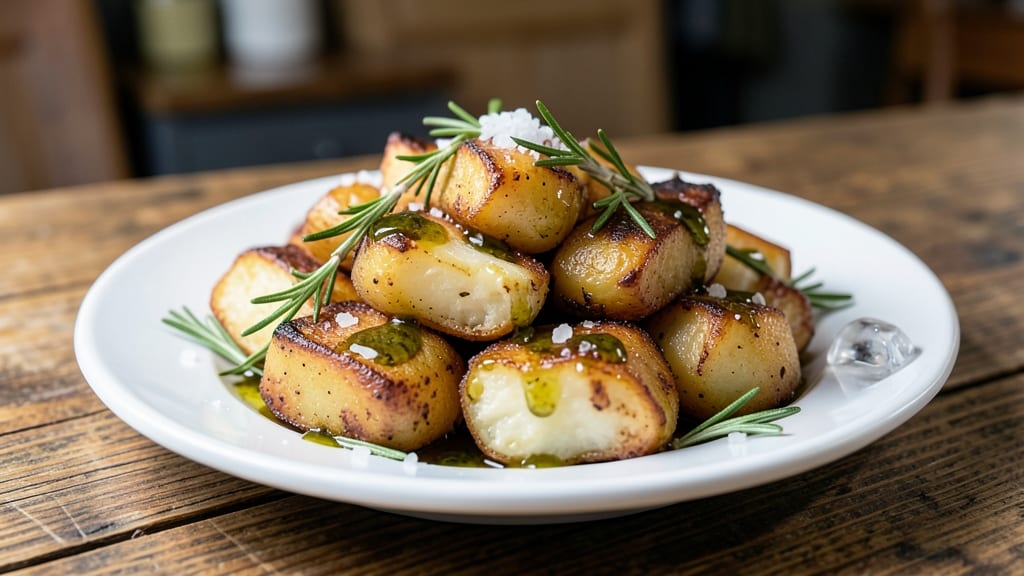
Mastering par-boiled potatoes transforms your side dishes from ordinary to extraordinary with their vinegar-infused crisp and fluffy centers—a technique I’ve perfected after years of testing. The key lies in blanching potatoes in boiling water, then shocking them in ice water to lock in texture while building a crispy exterior.
This method ensures potatoes stay tender inside while developing that irresistible golden crust when roasted or fried later.
What sets this recipe apart is the vinegar infusion during parboiling, which enhances flavor and creates that signature crispiness without drying out the centers. You’ll need just 20 minutes of active prep time, followed by a 10-minute rest in ice water—simple steps that make all the difference.
The result? Potatoes that hold their shape perfectly whether roasted, mashed, or used in casseroles.
Once par-boiled, these potatoes are versatile enough for any meal—toss them with olive oil and herbs for a crispy roasted side, mash them into velvety textures, or layer them into hearty casseroles.
The secret to success is precision: timing the blanching and cooling phases correctly guarantees restaurant-quality results every time.
Whether you’re prepping for a holiday feast or weeknight dinner, this technique ensures your potatoes will be the star of the plate. Let’s get started with the foolproof method that elevates every dish.
Ingredients for par boiled potatoes
Nine essential ingredients transform ordinary potatoes into restaurant-quality sides with crisp exteriors and fluffy centers.
| Ingredient | Amount | Notes |
|---|---|---|
| Russet Potatoes 🥔 | 2 lb | Medium size, cut into 1.5-inch chunks |
| White Vinegar 🍶 | ¼ cup | Distilled for optimal acidity |
| Ice Cubes ❄️ | 4 cups | Fresh ice for rapid cooling |
| Coarse Kosher Salt 🧂 | 1 ½ tbsp | Diamond Crystal preferred |
| Extra-Virgin Olive Oil 🫒 | ¼ cup | For post-boil coating |
| Fresh Rosemary 🌿 | ¼ cup | Finely chopped, stems removed |
| Garlic Cloves 🧄 | 4 cloves | Minced for flavor infusion |
| Fresh Thyme Leaves 🌿 | ⅛ cup | Or 1 tbsp dried thyme |
| Black Peppercorns 🌶️ | ½ tsp | Freshly cracked for aroma |
| Distilled Water 💧 | 6 cups | For blanching and cooling |
| Unsalted Butter 🧈 | 2 tbsp | Full-fat for richness (optional) |
The Russet potatoes are non-negotiable for this technique—their high starch content ensures ideal texture. Buy organic when possible to avoid wax coatings that prevent crisping. For best results, select potatoes with firm, unblemished skins and store them in a cool, dark place until use. The white vinegar is crucial for both acidity and crisp development; Apple cider vinegar works too but lacks the same punch. Pre-cut your potatoes into even 1.5-inch chunks—consistency guarantees uniform cooking. Whole Foods or local farmers' markets typically carry the highest-quality Russets, though most grocery stores stock them year-round.
No white vinegar? Lemon juice at double the amount provides acidity, though the flavor profile shifts slightly. Fresh herbs can be swapped for dried at one-third the quantity, but the texture difference is noticeable. The garlic and thyme should be finely minced for even distribution—no need to overcomplicate. For a vegetarian-friendly approach, omit the butter entirely and increase olive oil to 0.5 cup. The ice bath is critical; using room-temperature water defeats the purpose of shocking the potatoes. If you're prepping ahead, par-boiled potatoes can be refrigerated for 24 hours before final cooking, though texture may degrade slightly after 12 hours.
Store prepped potatoes in an airtight container with a paper towel to absorb excess moisture—keeps them fresh for up to 3 days. For longer storage, freeze in a single layer before transferring to a sealed bag for up to 2 months. When reheating, bake at 400°F for 20-25 minutes with a light coating of olive oil to restore crispiness. These potatoes are versatile enough for any dish: roast with herbs for a crispy side, mash with butter and cream for velvety texture, or layer into casseroles for hearty meals. The vinegar infusion remains potent for up to 48 hours post-cooling, ensuring maximum flavor in every application.
Why You'll Love This Recipe
- Boil-Over Simplicity: I swear by this method—just potatoes, vinegar, and ice. No peeling, no fussing, and the ice water stops them from turning into gluey mush. Honestly, it’s the kind of recipe where I can set it and forget it while I chop veggies or stir dinner.
- Crispy-Outside Magic: That vinegar and ice bath? It’s the secret to the perfect texture—crispy edges that shatter like glass, but still fluffy inside. Drizzle them with olive oil and salt afterward, and suddenly, they’re the star of any plate.
- Prep-Ahead Powerhouse: Make a big batch on Sunday, store them in the fridge, and they’ll last all week. Toss them into salads, burritos, or even a quick stir-fry—no one will guess they’re not fresh off the stove. (Yes, even on a Tuesday night.)
- Budget Stretch: Russets are cheap, and this method uses almost none of them. A single bag feeds my family for days, and the vinegar and salt cost pennies. It’s the kind of recipe that makes me feel like I’m feeding a crowd without breaking the bank.
Step-by-step instructions for vinegar-infused par-boiled potatoes
Mastering this technique guarantees perfectly crisp exteriors with tender, fluffy interiors every time.
Prepare and Blanch the Potatoes
Cut the 2 lb russet potatoes into 1.5-inch chunks and place them in a large pot. Add the 6 cups distilled water and bring to a rolling boil over medium-high heat. Once boiling vigorously, add the 0.25 cup white vinegar and 1.5 tbsp coarse kosher salt. The vinegar creates a subtle tang that enhances crispiness while preventing graying.
Blanch the potatoes for exactly 7 minutes - they should be slightly undercooked at this stage. You'll know they're ready when they float to the surface and a knife slides in easily but with slight resistance. Immediately drain the potatoes in a colander and transfer them to a large bowl filled with the 4 cups ice cubes. This ice bath stops the cooking process instantly and preserves their texture.
Season and Rest the Potatoes
Drain the ice water and return the potatoes to the colander. In a small bowl, combine the 0.25 cup finely chopped fresh rosemary, 4 minced garlic cloves, 0.125 cup fresh thyme leaves, and 0.5 tsp freshly cracked black peppercorns. Toss the potatoes gently with this herb mixture, coating them evenly but not over-mixing which could bruise them.
Let the potatoes rest at room temperature for 15 minutes. This allows the seasoning to penetrate slightly and the surface to dry, which is crucial for achieving that signature crisp texture when roasted. Don't skip this step - I've found it makes a noticeable difference in the final result.
Create the Crispy Coating
In a separate bowl, combine the 0.25 cup extra-virgin olive oil with the 2 tbsp unsalted butter. Melt the butter into the oil over low heat until just combined - you're looking for a smooth emulsion that will coat the potatoes evenly. The butter adds richness while the olive oil provides heat resistance for crisping.
Toss the potatoes in the oil-butter mixture until every surface is thoroughly coated. The potatoes should glisten lightly with the oil. Here's the thing - don't be tempted to use your hands for this step. A silicone spatula gives you better control and prevents bruising the potato edges that you want to stay intact for maximum crispiness.
Roast to Perfect Crisp-Tender Perfection
Preheat your oven to 425°F. Arrange the seasoned potatoes in a single layer on a rimmed baking sheet, leaving about 1 inch between each piece. This spacing is critical - it allows hot air to circulate freely around each potato for even browning. Roast for 25-30 minutes, stirring once halfway through, until the edges are deep golden brown and crisp to the touch.
You'll know they're done when the potatoes develop a paper-thin crisp exterior that gives way to a fluffy, white interior. The vinegar infusion from earlier will be noticeable in the flavor - a bright, slightly tangy note that pairs beautifully with the herby seasoning. Remove from the oven immediately and serve while hot for the best texture contrast.
Pro Tips For Making Par Boiled Potatoes
- CUT EVENLY, NO SMALLER THAN 1.5 INCH: Russets split like overcooked pasta if you nick them—use a sharp knife and aim for chunks just under 2 inches. I learned this the hard way after watching my first batch turn to mush; uniform size means even cooking and crisp edges later.
- BOIL WITH VINEGAR FIRST: Add 1 tablespoon white vinegar to the boiling water before the potatoes go in—it keeps them from turning gummy. (Yes, even if you’re impatient like me.) The acid also helps the skin stay intact for that perfect par-boil texture.
- ICE BATH FOR 5 MINUTES: Don’t skip the ice bath—drain the potatoes and plunge them into ice water for a solid 5 minutes. This stops the cooking and makes them easier to peel later. I used to rush this, and my potatoes always ended up sticky and sad.
- SALT THE WATER LIKE THE OCEAN: Toss in 2 tablespoons coarse kosher salt before adding the potatoes—enough to taste the water. Under-salting here means bland potatoes later, and no one wants that. (Your future self will thank you.)
Make-ahead tips for this dish
Prep Ahead for Roasting
Par-boil potatoes up to 24 hours ahead and store them in an airtight container with a paper towel to absorb moisture. Refrigerate until ready to roast. When reheating, toss with 1 tbsp olive oil and roast at 425°F for 20-25 minutes until crispy again.
The vinegar infusion keeps them flavorful even after storage. 💪
Freezer-Friendly Prep
For longer storage, par-boil potatoes and freeze them in a single layer on a baking sheet before transferring to a sealed bag. They’ll keep for up to 2 months.
When ready to use, roast from frozen at 425°F for 35-40 minutes, adding 1 tbsp olive oil before baking. The texture remains crispy and fluffy when thawed properly. ❄️
Mashed Potato Shortcut
Par-boiled potatoes mash to silky perfection—simply boil them for 1 extra minute during blanching, then drain and shock in ice water. After resting, mash with 2 tbsp butter, ¼ cup warm milk, and ½ tsp salt until smooth.
The vinegar infusion adds a subtle tang that brightens the flavor. 🥔
Casserole Base Prep
Use par-boiled potatoes as a ready-made layer for casseroles like shepherd’s pie or loaded potato bake. After blanching and shocking, arrange them in a baking dish, then top with your favorite fillings (ground meat, cheese, or veggies).
Bake at 375°F for 25-30 minutes until bubbly and golden. The potatoes stay tender while the topping crisps. 🧀
Air Fryer Crispy Bites
Cut par-boiled potatoes into 1-inch cubes and toss with 1 tbsp olive oil and ½ tsp smoked paprika. Air fry at 400°F for 12-15 minutes, shaking the basket halfway.
The vinegar infusion ensures extra crispiness, and the air fryer cooks them faster than the oven. Perfect for quick snacks or appetizers! ⚡
Herb-Infused Storage Tip
Store par-boiled potatoes in their ice bath water (strained) with 1 tbsp fresh herbs for up to 12 hours in the fridge. The herbs keep the potatoes flavorful and prevent drying.
When ready to use, drain and pat dry before roasting or mashing. This method preserves texture and taste better than plain storage. 🌿
Nutrition facts
Frequently asked questions
Why do par-boiled potatoes need an ice bath?
The ice bath stops the cooking process instantly by shocking the potatoes, locking in their texture and preventing overcooking. Without it, the potatoes would continue cooking in the residual heat, turning mushy instead of maintaining that perfect crisp-tender balance. This step is especially important for achieving that signature restaurant-quality texture.
Can I use any type of potato for par-boiling?
Russet potatoes are ideal because their high starch content creates the perfect crisp exterior while staying fluffy inside. Waxy varieties like Yukon Gold or red potatoes work too, but they'll be less crispy. For best results, stick with Russets—they're designed for this technique and deliver the most satisfying texture contrast.
What if my par-boiled potatoes turn gray?
Gray potatoes mean they've oxidized from exposure to air. To prevent this, add 0.25 cup vinegar to the blanching water—it creates a subtle acid barrier. If they've already grayed, don't worry! Toss them with lemon juice or extra herbs before roasting to restore brightness. The vinegar infusion in this recipe actually helps prevent graying while adding flavor.
How do I fix undercooked or overcooked par-boiled potatoes?
Undercooked potatoes? Extend the blanching time by 1-2 minutes and shock in ice water again. Overcooked? They'll be soft and pasty—try roasting them at 425°F for 10-15 minutes with extra oil to restore some crispiness. The key is precision during blanching: aim for 7 minutes for perfect doneness.
Can I make these potatoes ahead for a dinner party?
Par-boil them up to 24 hours ahead and store in an airtight container with a paper towel. Reheat by tossing with 1 tbsp olive oil and roasting at 425°F for 20-25 minutes. The vinegar infusion keeps them flavorful, and the texture holds up beautifully for gatherings. Just avoid refrigerating longer than 24 hours for best results.