
Side Dishes
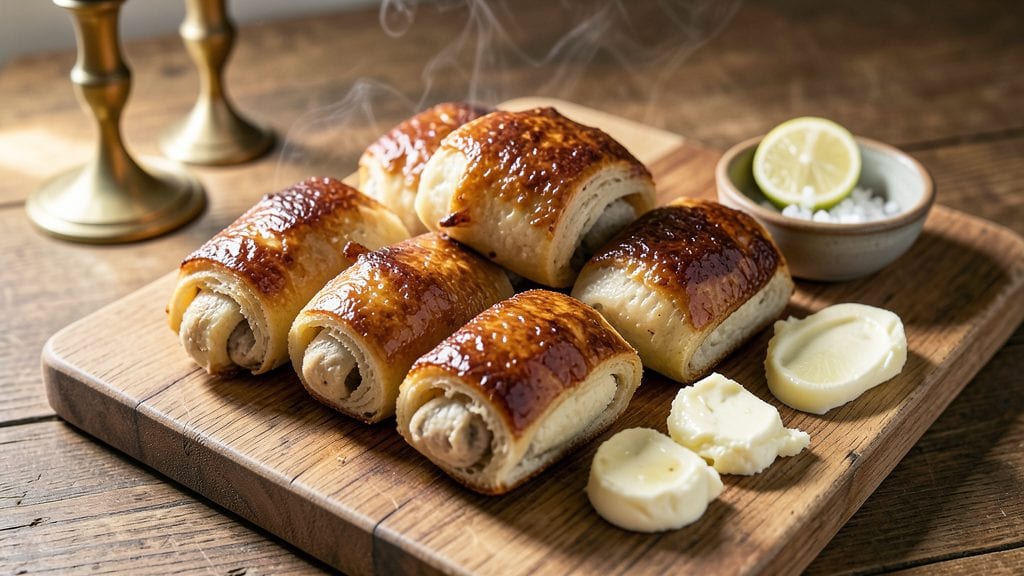
This old-fashioned potato rolls recipe delivers the buttery, pull-apart softness that makes them a timeless side dish for any meal. The secret lies in the vinegar zing that balances the richness, creating a texture that's tender yet sturdy enough to hold up to soups or stews.
I first discovered this recipe at a family gathering where the rolls disappeared faster than the main course—now I make them every holiday season.
The dough combines mashed potatoes with flour and butter, creating a light yet substantial base that bakes up golden and flaky. What sets these apart is the vinegar added to the dough, which prevents over-browning while adding a subtle tang that cuts through the richness.
The shaping technique—rolling the dough into logs and cutting into rounds—ensures those signature pull-apart layers that make them irresistible.
By the time they emerge from the oven, you'll have rolls with crisp edges and a tender, buttery interior that practically melts in your mouth. The vinegar zing adds a bright contrast to the richness, making each bite perfectly balanced.
These rolls are ideal for soaking up gravy, pairing with roasted meats, or serving alongside holiday classics.
Once you try these, you'll understand why they've been a staple at family gatherings for generations. The simplicity of the ingredients—potatoes, flour, butter, and vinegar—makes them foolproof, while the technique ensures restaurant-quality results every time. Let's get started on making these old-fashioned favorites.
Ingredients for old fashioned potato rolls
Buttery, vinegar-kissed dough with a pull-apart magic that's pure comfort food.
| Ingredient | Amount | Notes |
|---|---|---|
| Russet Potatoes 🥔 | 5 lbs | Peeled and boiled until tender |
| All-Purpose Flour 🌾 | 4 cups | Plus 2 tbsp for dusting |
| Unsalted Butter 🧈 | 1 cup | Cold, cubed for texture |
| White Vinegar 💧 | 2 tbsp | Distilled, not apple cider |
| Salt 🧂 | 1 ½ tsp | Kosher or sea salt |
| White Pepper 🌶️ | ½ tsp | Freshly ground preferred |
| Milk 🥛 | ¼ cup | Warm for smoother dough |
| Egg 🥚 | 1 whole | Large, room temperature |
| Baking Powder 🍞 | 1 tsp | For lightness in texture |
The potatoes are the heart of these rolls—Russet is ideal (thick skins, low moisture). Costco or Trader Joe's usually have the best prices for big bags. Boil them until fork-tender, then mash them smooth while still hot. Cold potatoes? Microwave them 30 seconds to soften first. The vinegar is non-negotiable—it's what gives these rolls that signature tang that cuts through the butter. Distilled white vinegar is the standard, but apple cider works in a pinch (though it adds a slight sweetness).
No baking powder? Skip it—these rolls still work, but they'll be denser. Short on butter? Substitute lard or shortening (same amount), but the flavor won't be quite the same. The milk helps bind everything—warm it up first for smoother dough. For a richer version, add 1 tbsp sour cream to the dough. And if you're making these ahead? Freeze the shaped logs—they'll bake straight from frozen (add 10-15 minutes).
These rolls keep beautifully—3 days wrapped at room temp or 1 week refrigerated. Reheat in a 350°F oven for 10 minutes until golden. For holiday prep, freeze the shaped logs for up to 3 months. Bake straight from frozen, adding 10-15 minutes to the time. Store leftovers in an airtight container with a paper towel to keep them soft.
Why You'll Love This Recipe
- No Fuss, No Fail: I swear, these rolls take less effort than store-bought—just boil potatoes, mash, mix with flour and butter, and roll. No yeast, no waiting, no stress. My lazy Sundays now include fresh rolls without the guilt.
- Buttery, Tangy Magic: That splash of white vinegar? It’s the secret. The rolls get this perfect balance—creamy inside, slightly crispy outside, with a subtle tang that makes them irresistible. Honestly, my husband steals them before they even hit the table.
- Weeknight Wonder: They’re my go-to for quick dinners—pair with roasted chicken or a simple salad, and you’ve got a full meal. Between us, I’ve even served them at holiday dinners when I forgot to make biscuits. No one ever noticed.
- Budget-Friendly Staple: Russets are cheap, flour is cheap, butter is cheap—this recipe stretches my grocery budget without sacrificing flavor. Plus, leftovers reheat like a dream, so I can make a big batch and feed the family for days. My wallet thanks me.
Step-by-step instructions for old fashioned potato rolls
Here's how to make tender, pull-apart rolls with that classic vinegar tang and buttery richness.
Cook the Potatoes Until Tender
Peel the 5 lbs of russet potatoes and cut them into 1-inch chunks. Place them in a large pot and cover with cold water by about 2 inches. Add 1.5 tsp of salt to the water as you go. Bring to a boil over high heat, then reduce to a gentle simmer and cook for 15-20 minutes until the potatoes are fork-tender when pierced with a knife.
Drain the potatoes thoroughly in a colander, then return them to the pot. Let them steam-dry for 2-3 minutes to remove any excess moisture. This step is crucial—you want the potatoes to be completely dry before mashing. Use a potato masher or ricer to break them down into a slightly lumpy texture. Don't overwork them; you want some texture to remain. Let the mashed potatoes cool to room temperature before proceeding.
Mix the Dough with Vinegar and Butter
In a large mixing bowl, combine the cooled mashed potatoes with 2 tbsp of white vinegar. The vinegar adds that signature tang and helps tenderize the dough. Add the 1 cup of cold, cubed unsalted butter to the potato mixture and mix until the butter is evenly distributed and begins to melt slightly from the warmth of the potatoes.
Gradually add the 4 cups of all-purpose flour to the potato mixture, mixing gently with a wooden spoon or dough whisk. You want to incorporate the flour without developing too much gluten, so don't overmix. Once the flour is mostly incorporated, add the 0.25 cup of warm milk and the 1 whole egg. Mix until a shaggy dough begins to form. If the dough feels too dry, add 1 tbsp more of milk at a time until it comes together.
Knead the Dough Until Smooth
Turn the dough out onto a lightly floured surface and knead it for 5-7 minutes until it becomes smooth and elastic. You should be able to stretch the dough without it tearing. If the dough feels too sticky, add 1 tbsp more of flour at a time until it's manageable. The dough should be soft but not wet, and it should spring back slightly when pressed.
Once the dough is smooth, shape it into a ball and place it in a lightly greased bowl. Cover the bowl with a clean kitchen towel and let the dough rise in a warm place for 1-1.5 hours, or until it has doubled in size. The dough should feel light and airy, and you should see small bubbles forming on the surface. If the dough doesn't rise well, it might need more time or a warmer environment.
Shape and Bake the Rolls
Punch down the risen dough to release any air bubbles, then turn it out onto a lightly floured surface. Divide the dough into 12 equal pieces, rolling each piece into a smooth ball. Arrange the balls in a greased 9x13-inch baking dish, spacing them evenly so they don't touch. Cover the dish with a towel and let the rolls rise for another 30-45 minutes until they've puffed up slightly.
Preheat your oven to 375°F. In a small bowl, mix the 0.5 tsp of white pepper with 1 tbsp of flour. Lightly brush the tops of the rolls with milk, then sprinkle the pepper-flour mixture evenly over them. Bake for 25-30 minutes until the rolls are golden brown on top and the internal temperature reaches 190°F. The rolls should be soft and tender inside with a slightly crispy exterior.
Serve Warm and Enjoy
Remove the rolls from the oven and let them cool for 5 minutes in the baking dish. They'll be incredibly soft and pull apart easily, making them perfect for serving family-style. The rolls should have a buttery aroma with a hint of vinegar tang. If you're serving them immediately, brush the tops with a little more melted butter for extra richness.
These old-fashioned potato rolls are best served warm, straight from the oven. They pair beautifully with roasted meats, gravy, or even as a side for soups. Store any leftovers in an airtight container and reheat in the oven at 350°F for 10-15 minutes to restore their softness. The secret to their tender texture lies in the vinegar and the careful kneading—don't rush these steps, and you'll have rolls that are worth every minute of effort.
Pro Tips For Making Old Fashioned Potato Rolls
- BOIL POTATOES UNTIL TENDER: Russets stay tough if you rush this—test with a fork. They should pierce like butter, not fight back. I learned this the hard way after serving rolls that felt like chewing on a shoe.
- GRATE POTATOES COLD: Hot potatoes turn your dough gummy. Run them under cold water after grating, then squeeze out excess moisture with a clean towel. Yes, it’s tedious, but your rolls will thank you.
- DON’T OVERMIX THE DOUGH: Handle the dough just enough to combine—overworking makes rolls dense. My grandmother swore by this, and she was right: the less you fuss, the lighter they rise.
- BRUSH ROLLS WITH MELTED BUTTER: Skip the vinegar wash for this recipe—it’s for biscuits. Instead, brush warm rolls with melted butter and a pinch of salt right after baking. That crispy crust? Worth the extra 30 seconds.
Flavor customization for this dish
Classic Vinegar Tang
The signature flavor of these rolls comes from the 2 tbsp white vinegar in the dough. This isn't just about acidity—it tenderizes the gluten, prevents over-browning, and creates that bright contrast to the buttery richness.
For extra zing, I sometimes add 1 tsp lemon zest to the dough, which pairs beautifully with the vinegar. 💧
Herb-Infused Variations
Swap the white pepper for 1 tsp dried rosemary or 1 tbsp finely chopped fresh thyme before baking. The herbs add an earthy depth that works surprisingly well with the buttery potatoes.
I recommend using Penzeys brand dried herbs for consistent quality. For a stronger flavor, infuse the butter with herbs before mixing it into the dough.
Cheesy Twist
Add 1 cup shredded sharp cheddar or ½ cup cream cheese to the dough for a cheesy variation. The cheese melts beautifully during baking, creating pockets of gooey goodness. I like to use Cabot brand cheddar for its sharp, melty texture.
For a lighter option, mix in ½ cup ricotta cheese instead—it adds moisture without overpowering the potato flavor.
Sweet Potato Swap
Replace half the russet potatoes with 2 lbs sweet potatoes for a naturally sweeter variation. The sweetness balances the vinegar tang perfectly. Roast the sweet potatoes first for deeper flavor, then mash them with the russets. This version pairs wonderfully with savory dishes like roasted pork or hearty stews.
Garlic Butter Finish
After baking, brush the rolls with a mixture of 2 tbsp melted butter and 1 minced garlic clove. This adds a luxurious garlic note that complements the vinegar tang.
For extra richness, mix in 1 tsp honey to the butter for a sweet-savory balance. Serve immediately for the best flavor impact.
Spicy Kick
Add ½ tsp cayenne pepper or 1 tbsp hot sauce to the dough for a spicy variation. The heat cuts through the butter beautifully. I recommend using Tabasco brand hot sauce for consistent heat levels.
For a smoky-spicy twist, add ½ tsp smoked paprika along with the cayenne. This version pairs perfectly with chili or spicy main dishes.
Nutrition facts
Frequently asked questions
Why does this recipe use vinegar in the dough?
The 2 tbsp white vinegar serves three key purposes: it tenderizes the gluten for a softer texture, prevents over-browning during baking, and adds a bright tang that balances the buttery richness. This classic technique creates that signature "old-fashioned" flavor these rolls are known for.
Can I make these potato rolls ahead of time?
Shape the dough into rolls and refrigerate them overnight in an airtight container. For best results, bake them straight from the fridge (add 5-10 minutes to the baking time). You can also freeze the shaped rolls for up to 3 months—just bake straight from frozen with an additional 10-15 minutes. The texture stays perfect when reheated properly.
What's the best way to reheat leftover potato rolls?
For maximum softness, place rolls in a 350°F oven for 10-15 minutes on a baking sheet with a splash of water in the pan. The steam helps restore their tender texture. Microwaving works in a pinch (30 seconds), but they'll be less flaky. Always reheat covered with a damp paper towel to prevent drying out.
Can I substitute sweet potatoes for russets?
Yes! Replace half the russet potatoes with 2 lbs sweet potatoes for a naturally sweeter variation. Roast the sweet potatoes first for deeper flavor, then mash them with the russets. The sweetness beautifully balances the vinegar tang. This version pairs especially well with savory dishes like roasted pork or hearty stews.
Why did my rolls turn out dense instead of fluffy?
Dense rolls usually result from overworking the dough (too much kneading) or not letting it rise properly. For perfect texture: knead just until smooth (5-7 minutes), use warm milk, and ensure the dough doubles in size during both rises. Also check your baking powder—if it's old, it loses its leavening power. A toothpick test helps: rolls should be golden with a crisp exterior and soft interior at 190°F internal temp.