
Side Dishes
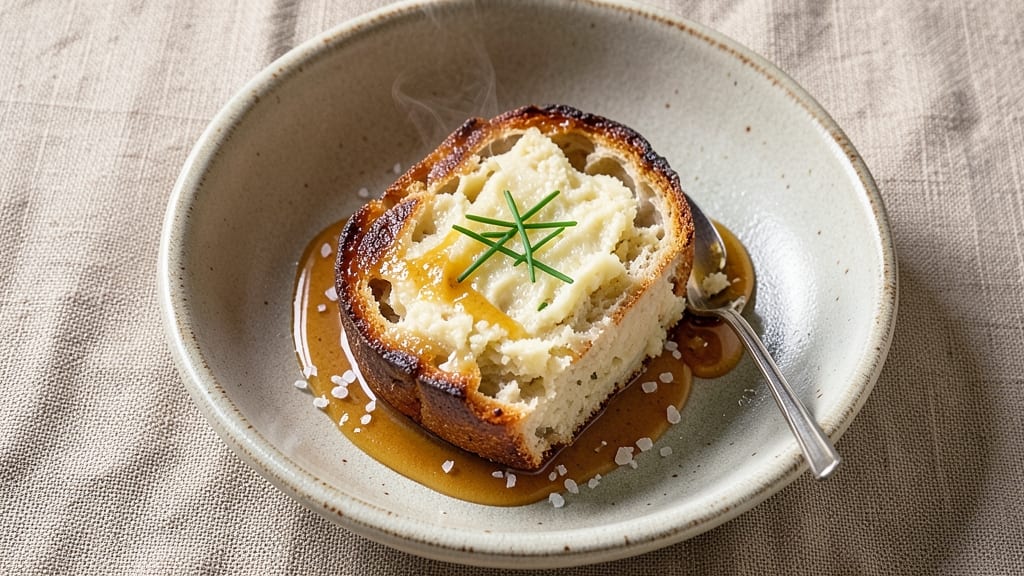
This mashed potato bread recipe transforms humble spuds into a fluffy, cheesy loaf that tastes like comfort food come to life. The secret lies in blending mashed potatoes into the dough, creating a moist, tender crumb with just the right amount of potato sweetness.
I developed this recipe after years of experimenting with bread recipes that promised fluffiness but delivered dense loaves—until I discovered how potatoes change everything.
The dough comes together with simple ingredients—flour, yeast, butter, and of course, mashed potatoes—yet the result is anything but ordinary. Adding shredded cheddar creates pockets of melty goodness that make each slice irresistible.
The bread bakes up with a golden crust and an open, airy texture, perfect for sandwiches or served alongside soups and stews.
What makes this recipe truly special is how the potatoes work their magic: they keep the bread moist without making it heavy, while the cheese adds richness that lingers with every bite.
The proofing and shaping steps are straightforward, and the baking process is foolproof—no advanced techniques required, just patience and attention to detail.
For those who love variations, you can swap cheddar for mozzarella or even add herbs for a savory twist. Sweet tooth? Try adding cinnamon and sugar for a dessert-style loaf. The possibilities are endless, but the base recipe delivers consistently delicious results every time.
Ingredients for mashed potato bread
Simple ingredients with a twist—potatoes and cheese transform basic dough into golden, fluffy perfection.
| Ingredient | Amount | Notes |
|---|---|---|
| Russet Potatoes 🥔 | 2 lbs | Yukon gold or red potatoes work too |
| All-Purpose Flour 🌾 | 3 ½ cups | Bread flour for extra chewiness |
| Active Dry Yeast 🍞 | 2 ½ tsp | Fresh yeast at 1 tsp per 2.5 tsp |
| Unsalted Butter 🧈 | ½ cup | Cold, cubed for dough |
| Granulated Sugar 🍚 | 1 tbsp | For yeast activation |
| Warm Water 💧 | 1 ¼ cups | 110-115°F for yeast |
| Salt 🧂 | 1 tsp | Kosher or sea salt |
| Shredded Sharp Cheddar Cheese 🧀 | 1 ½ cups | Freshly grated preferred |
| Milk 🥛 | ¼ cup | Warmed for dough enrichment |
| Large Egg 🥚 | 1 whole | Room temperature |
| Olive Oil 🫒 | 1 tbsp | For bowl and dough |
The potatoes are the star here. Russet potatoes are ideal for their starch content, but Yukon gold or red potatoes work beautifully too. Boil them until fork-tender, then mash until completely smooth—no lumps, or your bread will be dense. For the best flavor, use organic potatoes from Whole Foods or local farmers markets, as they tend to have more natural sweetness. If you're short on time, instant mashed potatoes (the good kind, not the powdered) can work in a pinch, but they lack the depth of fresh mashed potatoes. The cheese? Sharp cheddar is non-negotiable—it melts perfectly and adds that signature tang. If you can't find it, Monterey Jack or pepper jack are solid substitutes, but they won't be as rich.
No yeast on hand? Instant yeast works at the same ratio, but active dry is preferred for this recipe. The butter should be cold—cut it into small cubes and keep it in the fridge until ready to use. If you're dairy-free, unsweetened applesauce or coconut oil can replace the butter, though texture will differ slightly. For the milk, whole milk adds richness, but 2% or even almond milk will work if that's what you have. The egg acts as a binder, so if you're avoiding eggs, flaxseed meal mixed with water (1 tbsp flaxseed + 3 tbsp water = 1 egg) is a great alternative. The olive oil is key for tenderizing the dough—don't skip it, even if you're not using it for anything else.
This dough is best used fresh, but it keeps well in the fridge for up to 24 hours if wrapped tightly in plastic. For longer storage, freeze shaped loaves before baking—wrap them in plastic, then foil, and they'll last up to 3 months. Once baked, the bread reheats beautifully—wrap slices in foil and warm in a 350°F oven for 5-7 minutes. The crust gets harder as it cools, so eat it fresh or reheat it. Leftovers? Toast them—the crispy edges make everything better. And if you bake a second loaf, freeze it immediately—trust me, you will.
Why You'll Love This Recipe
- No Mash Struggles: I peel and boil those Russets while I stir the dough—no waiting for potatoes to cool or fighting lumps. Just fold in the warm, buttery mash right into the yeasty dough, and let the oven do the work.
- Buttery Soft Magic: That first bite? Like a warm, pillowy cloud with the faintest sweetness from the sugar and the rich depth of melted butter—way better than store-bought, honestly. The crust gets just crisp enough to hold up to soup or butter slathered straight from the pan.
- Weeknight Superhero: Freeze half the batch for lazy mornings or unexpected company—just thaw and toast. Or keep it fresh for sandwiches, French toast, or even garlic butter toast when you’re too tired to plan dinner. It’s my go-to when I can’t decide what to make.
- Pantry Stretch: Russets and flour are cheap staples, and this recipe stretches them into something impressive. A single batch feeds my family of four with room for seconds, and the leftovers? Toast them into crispy bits for breakfast the next day. Budget-friendly doesn’t mean boring.
Step-by-step instructions for fluffy, cheesy mashed potato bread
This method ensures a tender crumb, perfect rise, and cheesy richness without compromising the potato flavor.
Prepare the Potato Dough Base
In a large pot, cover the 2 lbs russet potatoes with cold water by 2 inches. Bring to a boil over high heat, then reduce to a simmer for 15-20 minutes until fork-tender. Drain thoroughly and return to the pot.
Using a potato masher or ricer, mash the potatoes until completely smooth with no lumps. Let cool to room temperature, then stir in the 0.5 cup unsalted butter and 1 tsp salt until fully incorporated. This creates the signature creamy potato foundation that keeps the bread moist and flavorful.
In a separate bowl, whisk together the 1.25 cups warm water (110-115°F), 1 tbsp granulated sugar, and 2.5 tsp active dry yeast. Let sit for 5 minutes until foamy. This activates the yeast and ensures proper dough rise.
Combine Wet Ingredients and Mix Dough
In the bowl of a stand mixer fitted with the dough hook attachment, combine the mashed potato mixture, yeast mixture, 0.25 cup milk, and 1 whole large egg. Mix on low speed for 2 minutes until just combined.
Gradually add the 3.5 cups all-purpose flour while mixing on low speed. Once incorporated, increase to medium speed and knead for 5-7 minutes until the dough becomes smooth and elastic. The dough should pull away from the sides of the bowl and form a soft ball.
If the dough feels too sticky, add 1-2 tablespoons of flour at a time. If it's too dry, add 1 teaspoon of milk. The ideal dough should be slightly tacky but not wet when pressed.
Incorporate Cheese and First Rise
Transfer the dough to a lightly oiled bowl, cover with a damp towel, and let rise in a warm place for 1-1.5 hours or until doubled in size. The dough should spring back slowly when pressed with a finger.
Once risen, punch down the dough to release air. Using a bench scraper, divide the dough into two equal portions. On a lightly floured surface, roll each portion into a 12x10-inch rectangle. Sprinkle half of the 1.5 cups shredded sharp cheddar cheese evenly over each rectangle.
Starting from the long side, tightly roll each rectangle into a log, sealing the edges. Place both logs seam-side down in a greased 9x5-inch loaf pan, leaving 1 inch of space at the top for expansion. Cover and let rise for another 30-45 minutes until the dough has risen about 1 inch above the pan.
Bake to Golden Perfection
Preheat the oven to 375°F. Brush the tops of the loaves with the remaining 1 tbsp olive oil and sprinkle with any remaining shredded sharp cheddar cheese. Bake for 35-40 minutes until the bread is golden brown and sounds hollow when tapped on the bottom.
Remove from the oven and let cool in the pan for 10 minutes before transferring to a wire rack. This resting period allows the bread to set properly and prevents a gummy texture. Slice while still slightly warm for the best experience.
Pro Tips For Making Mashed Potato Bread
- Boil Potatoes Until Fork-Tender: I learned this the hard way—overcooked potatoes turn your dough gummy, while undercooked ones leave gritty bits. Cut Russets into even chunks (about 1.5 inches) and boil until they collapse under a fork with zero resistance—no need to mash them to death in the pot.
- Use Cold Butter for Dough: Warm butter melts into a greasy mess that weakens gluten. Cut that unsalted butter into cubes and toss it in the flour first—let it chill the mix slightly before adding potatoes. Your bread will hold shape better, and the texture stays light, not dense.
- Don’t Skip the Yeast Proof: Mixing yeast with warm potatoes kills it before it can activate. Proof it first in warm water with sugar (105°F, 5 minutes) until frothy, then fold it into the dough. Skipping this step means your bread rises like a sad pancake instead of a fluffy loaf.
- Shape Loaves Tight and Round: This isn’t brioche—resist the urge to stretch the dough into a long baguette shape. Roll it into a tight, round loaf (like a small football) and tuck the seam under. The tension helps it rise evenly, and the crust turns golden instead of cracking weirdly.
Troubleshooting your mashed potato bread
Dense or Gummy Texture
If your mashed potato bread turns out dense or gummy, the issue is likely over-mixing the dough or under-kneading. Potatoes add moisture, so the dough needs extra kneading to develop gluten. Use a stand mixer with the dough hook and knead for 5-7 minutes until smooth and elastic.
If the dough feels too sticky, add 1-2 tablespoons of flour gradually. Also, ensure your potatoes are completely mashed—any lumps will disrupt the crumb structure. 🥔
Poor Rise or Flat Loaves
A flat loaf usually means the yeast didn’t activate properly or the dough didn’t rise long enough. First, check your yeast temperature: it should be dissolved in 110-115°F water—too hot kills yeast, too cold slows activation.
Let the dough rise in a warm spot, like a turned-off oven with a bowl of hot water inside. If your kitchen is cold, place the dough bowl on top of your fridge’s top shelf for consistent warmth. Patience is key—wait until the dough doubles in size before shaping.
Cheese Not Melting
Shredded cheese that doesn’t melt properly is often due to low oven temperature or cheese added too late. Preheat your oven to 375°F and ensure the cheese is evenly sprinkled before the final rise. For extra meltiness, try freshly grated cheese (pre-shredded contains anti-caking agents that prevent melting).
Brush the tops with 1 tbsp olive oil before baking to create a golden crust that helps the cheese melt evenly. If your oven runs hot, reduce the temperature to 350°F and bake for 45 minutes.
Dry or Crumbly Bread
Dry or crumbly texture usually means the dough was over-kneaded or under-moistened. Potatoes are moisture-rich, so if your dough feels too dry, add 1 teaspoon of milk at a time. Avoid using bread flour unless you want a chewier texture—all-purpose flour works best here.
Also, ensure your butter is cold when mixing—soft butter can make the dough too sticky. If the bread still turns out dry, try adding 1 tablespoon of sour cream to the dough for extra moisture. 💧
Uneven Baking or Pale Crust
An unevenly baked loaf with a pale crust often means the oven wasn’t hot enough or the bread wasn’t rotated halfway through baking. Preheat your oven for at least 20 minutes before baking, and use an oven thermometer to confirm it’s at 375°F.
Place a baking sheet on the lower rack to create steam, which helps the crust brown. For extra color, brush the tops with 1 tbsp olive oil before baking and sprinkle with a pinch of cornmeal for a crispier crust.
If your oven has hot spots, rotate the pan once after 20 minutes.
Stale Bread Too Quickly
Mashed potato bread can dry out faster than traditional bread because of its high moisture content. To keep it fresh longer, store it in an airtight container or bread bag at room temperature for up to 2 days.
For longer storage, freeze the baked loaf wrapped in plastic and foil—it’ll stay fresh for up to 3 months. To revive stale slices, wrap them in foil and warm in a 350°F oven for 5-7 minutes.
For extra freshness, toast slices before serving—the crispy edges make all the difference. ✨
Nutrition facts
Frequently asked questions
Can I make this recipe without a stand mixer?
You can mix the dough by hand in a large bowl using a wooden spoon or your hands. Knead for about 10-12 minutes until the dough becomes smooth and elastic. Just be prepared for more arm work—potato dough is heavier than regular bread dough. For best results, use a dough scraper to help fold and stretch the dough as you knead.
What's the best way to store leftover mashed potato bread?
Keep it fresh by storing in an airtight container at room temperature for 2 days. For longer storage, wrap the baked loaf in plastic and foil, then freeze for up to 3 months. To revive stale slices, wrap them in foil and warm in a 350°F oven for 5-7 minutes. For extra crunch, toast slices before serving.
Can I add other vegetables to this bread?
Yes! Try adding 1 cup finely grated zucchini or carrot to the dough for extra moisture and nutrients. Drain well first to avoid a soggy texture. For a heartier loaf, fold in ½ cup cooked and cooled corn kernels. Just don't exceed 1 cup total of extra veggies to maintain the bread's structure.
Why does my dough feel too sticky?
Potatoes add extra moisture, so sticky dough is normal. Gradually add 1-2 tablespoons of flour while kneading until the dough pulls away cleanly from your fingers. If it's still too wet, try adding 1 teaspoon of milk at a time—this sounds counterintuitive, but it helps balance the moisture. The dough should be slightly tacky but not wet.
Can I make this bread in a Dutch oven for a crustier texture?
Yes! Shape the dough into a round loaf and bake in a preheated 450°F Dutch oven for 30 minutes, then remove the lid and bake for another 15-20 minutes until golden. This creates a crispy crust while keeping the interior tender. Just reduce cheese by ¼ cup since Dutch oven baking tends to brown faster.