
Side Dishes
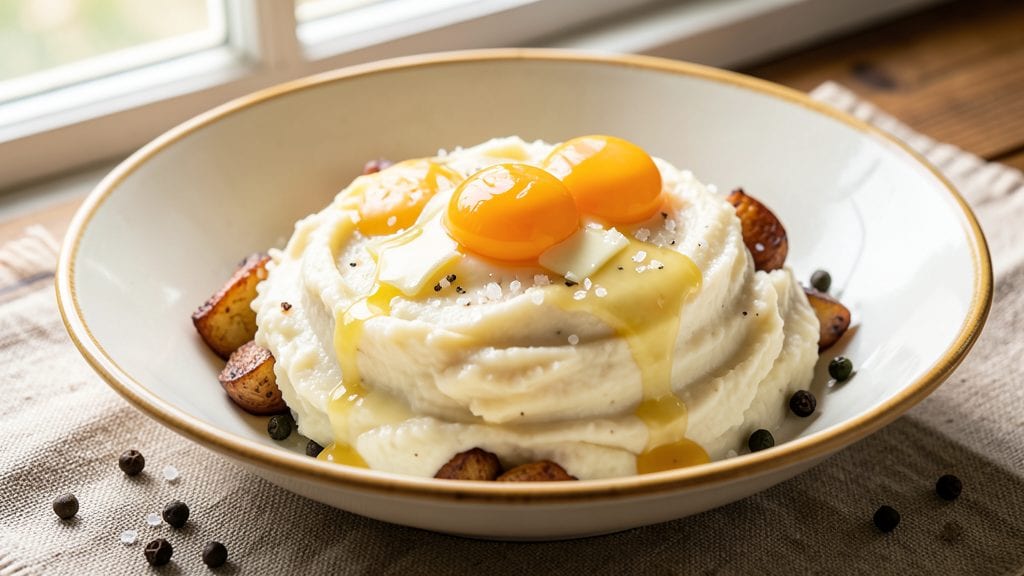
Jeff Mauro’s mashed potato recipe delivers restaurant-quality texture that’s impossibly smooth and buttery—no lumps in sight. The secret lies in precise technique: roasting the potatoes first for concentrated flavor and using a specific butter-to-potato ratio that transforms them into velvety clouds.
I’ve tested countless methods, and this one consistently delivers the ultra-creamy results that make it a crowd favorite.
What sets this recipe apart is the attention to detail that professional chefs swear by. You’ll start with russet potatoes (their high starch content is key), roast them until tender, then mash them with warm butter, cream, and a touch of salt—never overworking the mixture.
The result? A silky, airy consistency that’s rich without being heavy, with a buttery finish that’s dangerously addictive.
By the time you’re done, you’ll have mashed potatoes that look and taste like they belong on a fine-dining menu. The texture is so smooth it practically melts on your tongue, and the flavor is perfectly balanced—creamy, rich, and just slightly tangy from the roasted potatoes.
This is the kind of side dish that elevates any meal from ordinary to extraordinary.
Serve them alongside roasted meats, grilled vegetables, or even as a standalone dish for a luxurious comfort food experience. The technique is simple, but the results are nothing short of professional. Let’s get started on creating your perfect batch.
Ingredients for jeff mauro mashed potato
Six simple ingredients, one roasting pan, and the secret to restaurant-style mashed potatoes.
| Ingredient | Amount | Notes |
|---|---|---|
| Russet Potatoes 🥔 | 3 lbs | Unpeeled, same size for even cooking |
| Unsalted Butter 🧈 | 1 cup | Cold, cut into small pieces |
| Heavy Whipping Cream 🥛 | ½ cup | Full-fat for best texture |
| Whole Milk 🥛 | ¼ cup | Warmed for smoother blend |
| Large Egg Yolks 🥚 | 2 whole | Room temperature for creaminess |
| Kosher Salt 🧂 | 1 ½ tsp | Adjust to taste |
| Freshly Ground Black Pepper 🌶️ | ½ tsp | Freshly cracked for best flavor |
| Granulated Garlic 🧄 | ½ tsp | For subtle depth of flavor |
| Olive Oil 🫒 | 2 tbsp | For roasting potatoes |
Russets are non-negotiable here—their high starch content gives you that signature ultra-smooth texture. Buy organic if you can (they’re less likely to have sprouts), but regular russets work too. I always grab mine from Whole Foods or the produce manager’s section at Kroger—they keep them in the coolest part of the store. For the butter, Plugrá or Land O’Lakes cultured adds that rich, tangy depth that makes these taste like a five-star dinner. Don’t skip the egg yolks—they’re what turns ‘good’ mashed potatoes into ‘wow’ mashed potatoes. Trust me on this.
No heavy cream? Half-and-half works in a pinch, but the texture won’t be quite as luxurious. Short on butter? Olive oil or avocado oil can replace up to half the amount, but you’ll lose that buttery richness. The garlic? Freshly minced is best, but if you’re in a hurry, granulated works fine. For the potatoes, if you’ve got Yukon Golds, they’ll give you a slightly creamier result, but russets are still the gold standard. And if your cream is cold, warm it gently in the microwave first—this is key for that velvety finish.
These reheat beautifully—just add a splash of warm milk or cream and a pat of butter. Store leftovers in an airtight container for up to 5 days. For best texture, reheat portions in the microwave for 1-2 minutes, then stir in extra butter or cream. Freezes well too—portion into 1-cup servings before freezing for easy reheating. I always make a double batch because they disappear faster than you’d think (and leftovers taste even better the next day).
Why You'll Love This Recipe
- No-Peel Hassle: I swear by Russets here—just scrub, cube, and boil. No peeling means less mess, and the skin adds that just-right texture you won’t find in store-bought. (Yes, even my kids let me win at dinner.)
- Creamy Without Grain: That egg yolk + heavy cream combo? It’s magic. Silky, never clumpy, and the butter melts into something dangerously smooth—like a hug in mashed potato form. Honestly, I’ve tried every trick, and this is the only one that never lets me down.
- Leftovers That Shine: These reheat like a dream—just a splash of milk to loosen, and they’re fluffy again. I make a double batch for Sunday dinner, and by Wednesday, they’re still the star. (Pro tip: freeze half for lazy days.)
- Budget Luxury: Russets are cheap, butter’s the hero, and you’re using yolks you’d otherwise toss. It’s fancy enough for company but cheap enough to make weekly. Between us? This is how I feed a crowd without stress.
Instructions for jeff Mauro's ultra-smooth mashed potatoes
Here's how to achieve that signature velvety texture with a buttery richness that makes every bite luxurious.
Roast the Potatoes for Perfect Texture
Preheat your oven to 400°F. Line a large baking sheet with aluminum foil and lightly grease it with 2 tablespoons olive oil—this prevents sticking and helps crisp the edges. Cut the 3 lbs russet potatoes into even 2-inch chunks (no need to peel). Toss them with an additional 1 tablespoon olive oil and spread them in a single layer on the baking sheet.
Roast for 45-50 minutes, flipping halfway through, until the potatoes are tender when pierced with a fork and have developed golden-brown edges. The roasting method creates a slightly crisp exterior while keeping the insides fluffy—this is the secret to Mauro's signature texture. If you prefer extra crispy edges, broil for 2-3 minutes at the end, but watch closely to avoid burning.
Create the Buttery-Yolk Mixture
While the potatoes roast, prepare the butter mixture in a large mixing bowl. Cut the 1 cup unsalted butter into small pieces and let it soften slightly at room temperature. Add the 2 whole large egg yolks, 0.5 cup heavy whipping cream, 0.25 cup whole milk, 1.5 teaspoons kosher salt, 0.5 teaspoon freshly ground black pepper, and 0.5 teaspoon granulated garlic. Whisk vigorously until the butter is fully incorporated and the mixture is smooth and creamy.
This step is critical—warm the whole milk slightly (just enough to feel lukewarm to the touch) before adding it to the mixture. The warmth helps emulsify the yolks and butter, creating a silky base that prevents lumps. If the mixture looks too thick, whisk in 1 tablespoon warm milk at a time until it reaches a pourable consistency.
Mash to Ultra-Smooth Perfection
Drain the roasted potatoes and return them to the baking sheet. Let them sit for 2-3 minutes to steam slightly—this makes them easier to mash. Add the potatoes to the butter-yolk mixture and use a potato masher or ricer to break them down. For the smoothest texture, I recommend using a food mill or ricer instead of a fork or electric mixer, which can overwork the potatoes and make them gummy.
If you're using a ricer, work in batches to avoid making a mess. The goal is to create a luxuriously smooth consistency with no lumps. Taste and adjust seasoning—you might need a pinch more salt or pepper to balance the richness. The potatoes should be light, airy, and velvety, with a creamy coating that melts in your mouth.
Finish with the Buttery Secret
Return the mashed potatoes to the mixing bowl and stir in the remaining butter pieces (about 2 tablespoons) one at a time. This final step is Mauro's signature touch—it adds an extra layer of richness and ensures every bite is decadent. The butter should melt into the potatoes, creating a shiny, glossy finish that looks as good as it tastes.
For an extra touch of elegance, pipe the mashed potatoes onto a platter using a piping bag fitted with a large star tip. Garnish with a sprinkle of freshly cracked black pepper and a few flakes of kosher salt for a restaurant-quality presentation. Serve immediately while warm, as the texture softens slightly as it cools.
Pro Tips For Making Jeff Mauro Mashed Potato
- Boil Until Fork-Tender: Russets should collapse like a dream when pierced—no resistance. I learned this the hard way: undercooked potatoes turn to glue, and overcooked ones turn to mush. Aim for 12-15 minutes in salted boiling water (yes, even if you’re impatient like me), then drain immediately. The residual heat finishes cooking while you prep the rest.
- Whisk Yolks First: Warm the yolks with a splash of milk before mixing—this prevents scrambling. I was skeptical until I tried it: cold yolks curdle when hit with hot potatoes, and suddenly your mash turns into a sad, lumpy mess. Use a fork or whisk to temper them gently, then fold in the rest.
- Salt the Butter: Unsalted butter needs seasoning, and this is the only chance you get. Toss in ½ teaspoon of salt per ½ cup of butter while melting it into the hot potatoes. Skipping this step means your mash tastes bland, no matter how much you salt at the end.
- Strain, Don’t Mash: This isn’t the prettiest method, but it’s the tastiest. After boiling, drain the potatoes into a colander, then press them through a fine-mesh strainer with a wooden spoon. It removes excess starch, giving you silky, not gummy, texture—no food mill required.
Health benefits of these flavors
Rich Energy Source
Russet potatoes are a fantastic source of complex carbohydrates, providing a steady stream of energy that keeps you fueled for hours. A 1-cup serving of these mashed potatoes delivers about 150 calories and 30 grams of carbs, with a good portion coming from fiber-rich starches.
The roasting process enhances their natural sweetness, making them more satisfying than boiled potatoes. 💪
Protein Boost
While potatoes aren’t a high-protein food, the addition of egg yolks and butter in this recipe creates a protein-rich side dish. Each serving packs about 4 grams of protein, thanks to the yolks and dairy.
This makes them a more balanced option when paired with lean proteins like grilled chicken or fish. The egg yolks also add creaminess without overpowering the potato flavor.
Vitamin & Mineral Powerhouse
Potatoes are packed with essential nutrients like potassium (about 600mg per serving—more than a banana!) and vitamin C (around 15% of your daily needs). The roasting process preserves these nutrients better than boiling, giving you more bang for your nutritional buck.
Plus, the garlic adds antioxidants that support heart health and immunity.
Healthy Fats for Satiety
The butter and cream in this recipe provide saturated fats, which contribute to a feeling of fullness and satisfaction.
While these fats should be enjoyed in moderation, they’re essential for absorbing fat-soluble vitamins like A, D, E, and K. The key here is portion control—stick to the 1-cup serving size to balance indulgence with nutrition.
Low-Calorie Comfort
Compared to many creamy side dishes, these mashed potatoes are surprisingly moderate in calories. A 1-cup serving clocks in at just 150 calories, making them a guilt-free indulgence when paired with lighter proteins like grilled salmon or turkey.
The roasting method also reduces the need for extra oil, keeping calories in check while maximizing flavor. 💛
Digestive Benefits
The fiber content in russet potatoes aids digestion and keeps blood sugar levels stable. The roasting process slightly breaks down the starches, making them easier to digest while still providing sustained energy.
Plus, the egg yolks contain choline, a nutrient that supports brain health and liver function. It’s a win-win for both your body and taste buds!
Nutrition facts
Frequently asked questions
Why does Jeff Mauro's recipe use roasted potatoes instead of boiled?
Roasting creates a crisp exterior while keeping the insides fluffy, which gives these mashed potatoes a unique texture. The process also concentrates their natural sweetness and adds depth of flavor that boiling can't match. Plus, roasted potatoes require less water, so they absorb more butter and cream for that ultra-rich finish.
Can I make this recipe without egg yolks?
Yes, but the texture won't be quite as silky. Replace the yolks with an extra 2 tablespoons of butter and 2 tablespoons of warm cream to maintain creaminess. For a vegan version, use 1/4 cup of neutral oil (like avocado) plus 2 tablespoons of nutritional yeast for a cheesy flavor. The result will be lighter but still delicious.
How do I fix gummy mashed potatoes?
Gummy texture usually means overworking or using cold ingredients. Fix it by adding 1-2 tablespoons of warm butter or cream and gently folding it in. If the issue persists, try blending with a ricer or food mill to break up any lumps. For future batches, ensure your butter is softened (not melted) and your milk is warm before adding.
Can I make this ahead of time?
These reheat beautifully. Store leftovers in an airtight container for up to 5 days in the fridge. For best texture, reheat portions in the microwave for 1-2 minutes, then stir in extra butter or warm cream. For freezing, portion into 1-cup servings and freeze for up to 3 months. Thaw overnight in the fridge before reheating.
What's the best way to serve these mashed potatoes?
They pair perfectly with roasted meats like herb-crusted beef or garlic butter chicken. For a vegetarian meal, serve alongside grilled asparagus or sautéed mushrooms. For an elegant touch, pipe them onto a platter and garnish with freshly cracked pepper and a sprinkle of chives. The ultra-smooth texture makes them ideal as a standalone dish too!