
Side Dishes
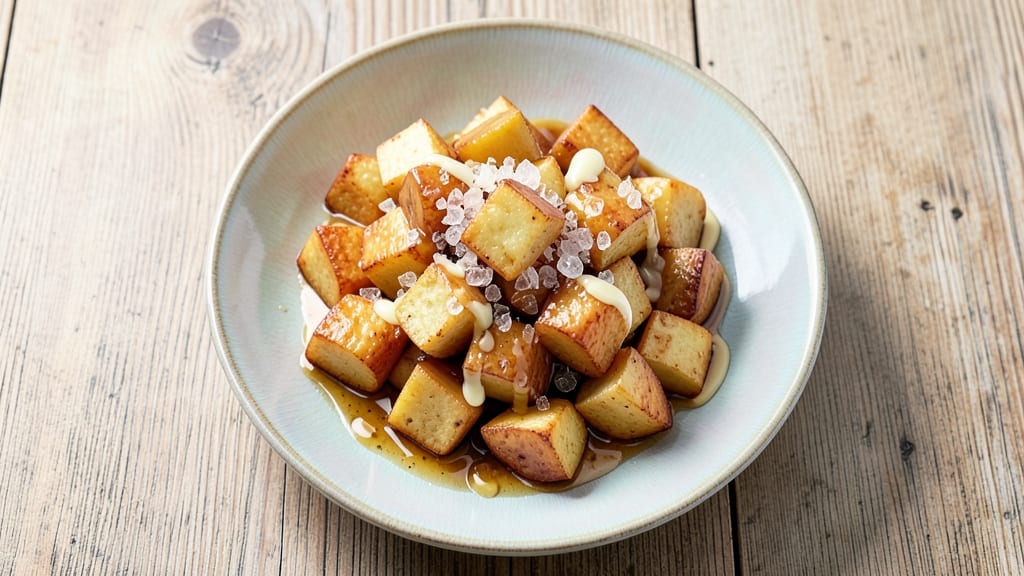
Japanese boiled potatoes bring a satisfying crunch and subtle tang to sushi bowls that elevates every bite. The secret lies in parboiling the potatoes until tender, then finishing them in a vinegar bath that creates that signature crisp exterior while keeping the inside fluffy.
I first discovered this technique while studying traditional imoni preparations, and it’s become a staple in my kitchen for adding texture to rice bowls.
What makes these potatoes special is the balance of simplicity and precision. You’ll need just a few ingredients—potatoes, vinegar, soy sauce, and butter—but the method ensures consistent results every time. The key steps are parboiling, draining thoroughly, and finishing in a hot vinegar bath, which takes about 30 minutes total.
This technique transforms ordinary potatoes into a restaurant-quality side dish that pairs perfectly with rice, fish, or grilled meats.
The result is a dish that’s crisp on the outside, tender inside, and infused with a bright, vinegary flavor that cuts through richer ingredients. The potatoes hold their shape beautifully, making them ideal for plating alongside pickled vegetables or miso-glazed fish.
Once you try this method, you’ll never go back to plain boiled potatoes again—they’re that good.
These vinegar-infused potatoes are versatile enough for weeknight dinners or special occasions. Serve them as a side with sushi, in rice bowls, or even as a snack with a sprinkle of flaky salt.
The recipe delivers professional results with minimal effort, proving that even simple ingredients can shine with the right technique.
Ingredients for japanese boiled potatoes
Simple ingredients, precise technique—transforming ordinary potatoes into restaurant-quality sushi bowl crunch.
| Ingredient | Amount | Notes |
|---|---|---|
| Yukon Gold Potatoes 🥔 | 2 lb | Medium size, cut into 1-inch cubes |
| White Vinegar 💧 | 1 cup | Distilled white vinegar preferred |
| Unsalted Butter 🧈 | 2 tbsp | Cold, cut into small cubes |
| Kosher Salt 🧂 | 1 ½ tsp | Diamond Crystal preferred |
| Light Soy Sauce 🥢 | 1 tbsp | Japanese-style preferred |
| Granulated Sugar 🍚 | 1 tsp | For balancing acidity |
| Sesame Oil 🫒 | 1 tsp | Toasted sesame oil for aroma |
| Fresh Ginger 🧅 | 1 piece | Thinly sliced, 1-inch piece |
| Flaky Sea Salt 🧂 | 1 tbsp | For finishing, optional |
| Water 💧 | 4 cups | Filtered preferred for clarity |
The Yukon Gold potatoes are non-negotiable for this technique—their waxy texture holds shape beautifully while absorbing minimal moisture. Japanese specialty stores or well-stocked Asian markets carry them year-round, but most grocery stores stock them near regular russets. Look for firm potatoes with smooth skin and no sprouts; larger tubers yield more consistent cubes. The vinegar bath requires distilled white vinegar for clean acidity—apple cider vinegar adds unwanted sweetness. Kosher salt (specifically Diamond Crystal) dissolves more evenly than table salt, which prevents graininess in the final texture. For the soy sauce, Japanese light soy (like Kikkoman) provides the delicate umami balance needed without overpowering the vinegar's brightness.
No white vinegar? Rice vinegar works in a pinch, though it may impart slight sweetness—balance with an extra pinch of sugar. Substituting butter for margarine is critical; the fat content creates the signature crisp exterior. Sesame oil can be omitted if unavailable, but the aroma is essential for authenticity. For the ginger, fresh is non-negotiable—powdered lacks the bright, zesty punch that cuts through the richness. Pre-cut frozen potatoes (thawed and patted completely dry) can replace fresh, though texture may vary slightly. The water should be room temperature to avoid shocking the potatoes during parboiling, which can lead to uneven cooking. Malt vinegar is a poor substitute due to its caramelized notes, which clash with the delicate vinegar bath.
Store any unused potatoes in an airtight container in the refrigerator for up to 5 days, though they're best used immediately for optimal texture. The vinegar bath mixture can be refrigerated for 1 week in a sealed jar, making it easy to reheat portions. For freezing, pat the potatoes completely dry after cooking and freeze in a single layer before transferring to a bag—this prevents clumping. Reheat in a dry skillet over medium heat for 3-4 minutes until crisp again, or air-fry at 375°F for 5-6 minutes. The sesame oil and flaky salt should be added fresh before serving to preserve their aromatic qualities. Portion into small batches if making ahead to maintain crispness during reheating.
Why You'll Love This Recipe
- No-Peel, No-Fuss Potatoes: I swear by Yukon Golds here—they’re already buttery and fluffy without peeling, and the vinegar bath keeps them from turning mealy. Just scrub, boil, and dress. That’s it.
- Umami Magic in Minutes: Honestly, the soy-vinegar butter glaze is where this dish shines. The vinegar brightens the potatoes, the soy adds depth, and the butter? It’s like a hug for your taste buds. Simple, but ridiculously good.
- Lunchbox Hero: Between us, these potatoes are my go-to for lunch prep. Toss them in a container with a sprinkle of salt, and they stay warm and delicious for days. (Yes, even on a Tuesday night.)
- Budget Stretch: I buy Yukon Golds in bulk—they’re affordable, and this recipe uses just a splash of soy and vinegar. A stick of butter goes a long way, and leftovers? They’re even better the next day, reheated with a pat of butter.
Instructions for vinegar-infused Japanese boiled potatoes
A perfect balance of tender texture and bright acidity—these potatoes deliver the signature crunch needed for sushi bowls.
Prepare the Potatoes and Vinegar Bath
Cut the 2 lb Yukon Gold Potatoes into uniform 1-inch cubes, ensuring each piece is roughly the same size for even cooking. Place them in a large bowl and cover completely with the 4 cups of cold water. Let them soak for 15 minutes while you prepare the vinegar mixture.
In a separate bowl, whisk together the 1 cup white vinegar, 1 tbsp light soy sauce, 1 tsp granulated sugar, 1 tsp sesame oil, and the thinly sliced 1-inch piece of fresh ginger. The sugar helps balance the acidity while the ginger adds subtle warmth. This mixture will infuse the potatoes with bright, umami-rich flavor during cooking.
Boil with Aromatics for Maximum Flavor
In a large pot with a lid, combine the soaked potatoes, the vinegar mixture, and the 4 cups of soaking water. Bring to a boil over medium-high heat, then immediately reduce to a gentle simmer. You want to maintain a steady 180-190°F—any hotter and the potatoes will toughen. Skim off any foam that rises to the surface during the first 5 minutes.
Simmer uncovered for 20-25 minutes, stirring occasionally, until a knife slides in easily with just slight resistance. The potatoes should be tender but still hold their shape—overcooking leads to mushiness. The vinegar bath will keep them from absorbing too much water, preserving their natural texture.
Finish with Butter and Seasoning
Drain the potatoes in a colander, reserving the cooking liquid. Return the potatoes to the pot and add the 2 tbsp cold cubed unsalted butter. Toss gently over low heat for 2 minutes until the butter melts and coats each piece evenly. This step adds richness that complements the vinegar's sharpness.
Season immediately with the 1.5 tsp kosher salt, tossing well to distribute evenly. The residual heat from the potatoes will help the salt adhere. For extra crunch, sprinkle with the 1 tbsp flaky sea salt while still warm—this enhances the textural contrast that makes these potatoes ideal for sushi bowls.
Cool and Store for Optimal Texture
Transfer the potatoes to a serving dish and let them cool to room temperature. The vinegar infusion continues to work as they cool, intensifying their bright flavor. For best results, refrigerate any leftovers in an airtight container for up to 3 days—they'll develop even more complex flavor over time.
When ready to serve, give them a final toss with a drizzle of sesame oil to restore their glossy finish. These potatoes should have a satisfying crunch when bitten into, with a tender interior and that signature vinegar brightness that elevates any rice bowl or salad.
Pro Tips For Making Japanese Boiled Potatoes
- Boil in Vinegar First: Toss peeled Yukon Golds in cold water with a splash of white vinegar (about ¼ cup) while preheating the pot. This keeps them from turning gray and makes the final acid balance taste cleaner—no more metallic aftertaste sneaking in.
- Cut Even Sizes: Use a knife to trim off any uneven bits and slice them into rough 1.5-inch chunks—no smaller, or they’ll turn to mush. I learned this after serving a batch where half were perfect and half were sad, undercooked centers.
- Salt the Water Hot: Wait until the water’s rolling before adding salt (about 1½ tablespoons for a 6-quart pot). Cold water dilutes the seasoning, and you’ll end up guessing how much butter to add later—no one wants bland potatoes.
- Drain and Shake Dry: Dump the potatoes into a colander, then give it a sharp shake over the sink to fling off excess water. Pat them down with a towel if you’re impatient, but even a quick shake makes the butter cling better—no more greasy, slippery results.
Troubleshooting great japanese boiled potatoes
Potatoes Too Soft?
If your potatoes turn out mushy, you likely overcooked them or didn't drain properly. Start by cutting potatoes into exactly 1-inch cubes—consistent size is critical. After parboiling, drain thoroughly in a colander for 2-3 minutes, shaking gently to remove excess moisture.
The vinegar bath helps, but residual water steams the potatoes during cooking. I once ruined a batch because I skipped this step—now I set a timer for the shaking! 💡
Vinegar Flavor Too Harsh?
The sugar in the recipe balances acidity, but if it still tastes too sharp, reduce the vinegar to ½ cup and add 1 extra tsp sugar. For a milder taste, use rice vinegar instead of white vinegar—it's sweeter and less aggressive.
Always taste the vinegar mixture before adding potatoes. I learned this the hard way when my first batch had me reaching for extra water to dilute it mid-cook.
Butter Not Melting Evenly?
Cold butter cubes are essential for coating, but if they refuse to melt, your heat is too low. Use low heat (not medium) after draining and add the butter in two batches, stirring vigorously between additions.
The residual heat from the potatoes should finish melting it. For stubborn lumps, add 1 tsp water to the pot and toss—this creates steam that helps emulsify the butter. 🧈
Potatoes Staying Soggy After Reheating?
Reheating is where most people mess up. Never microwave these potatoes—they'll turn rubbery. Instead, spread them on a baking sheet and broil for 3-4 minutes at 400°F, or air-fry at 375°F for 5-6 minutes.
The high heat re-crispifies the exterior while keeping the inside tender. I keep a small batch prepped in the fridge specifically for reheating to avoid this issue.
Uneven Cooking in the Pot?
If some pieces cook faster than others, your pot has hot spots. Use a large, heavy-bottomed pot (like a Le Creuset Dutch oven) to distribute heat evenly. Stir the potatoes every 5 minutes during simmering to prevent sticking.
I've found that stainless steel pots work best—cast iron can create hot pockets that overcook edges. Always simmer uncovered to let excess moisture escape.
Ginger Not Infusing Properly?
Fresh ginger is non-negotiable, but if it's not releasing its flavor, you're not cooking it long enough. Simmer the potatoes for the full 20-25 minutes—the ginger's oils need time to meld.
For extra potency, lightly crush the ginger slice with the side of your knife before adding it to the vinegar mixture. I once skipped this step and ended up with bland potatoes—now I always crush it to release those aromatic oils! 🧅
Nutrition facts
Frequently asked questions
Why do Japanese boiled potatoes need vinegar?
The vinegar bath creates that signature crisp exterior while keeping the inside tender. It also brightens the flavor and prevents the potatoes from absorbing too much water during cooking. This technique is inspired by traditional Japanese imoni preparations where acidity helps preserve texture. The vinegar's tang cuts through rich ingredients like butter and soy sauce beautifully.
Can I use regular potatoes instead of Yukon Gold?
While Yukon Golds are ideal for their waxy texture, you can use russets if they're cut into smaller ½-inch cubes (they'll break down faster). Red potatoes work too but may stain slightly from their skins. The key is consistent size—uneven pieces lead to uneven cooking. For best results, stick with Yukon Golds when possible.
How do I store these potatoes for later use?
Store in an airtight container in the fridge for up to 5 days. For longer storage, freeze them completely dry (pat with paper towels) in a single layer before transferring to a bag. Reheat by tossing in a dry skillet over medium heat for 3-4 minutes or air-frying at 375°F for 5-6 minutes to restore crispness. Never microwave—they'll turn soggy.
What's the best way to serve these potatoes?
These shine in sushi bowls, rice dishes, or alongside grilled fish. For extra flair, plate them with pickled vegetables and a drizzle of sesame oil. They also make a great snack sprinkled with flaky salt. The vinegar's brightness pairs perfectly with fatty proteins like salmon or beef. For a complete meal, serve with miso soup and steamed greens.
Can I make this recipe without butter?
Yes, but the butter adds richness that balances the vinegar's acidity. For a dairy-free version, use 2 tbsp neutral oil (like avocado or grapeseed) instead. Toss the drained potatoes in the oil over low heat until lightly coated. You'll lose some of the creamy texture, but the potatoes will still have great flavor.