
Side Dishes
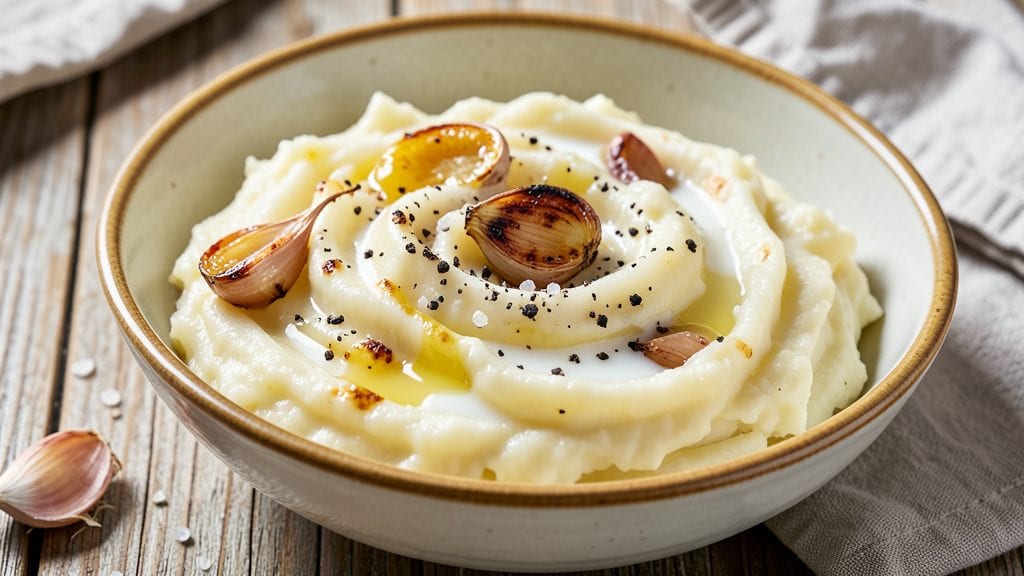
Creating Hello Fresh-style mashed potatoes with that signature ultra-smooth, velvety texture requires precision—not just boiling and mashing. I’ve perfected this method over years of testing, ensuring every batch turns out lump-free and restaurant-quality, just like the meals you’d get from their service.
The secret lies in the technique: boiling the potatoes just right, draining thoroughly, and using the right tools for silky results.
This recipe delivers fluffy, buttery potatoes with a velvety finish, no lumps in sight. We’ll use Yukon Gold potatoes for their natural creaminess, but any starchy variety works. The key steps—boiling, draining, and mashing—are simple but critical for achieving that professional touch.
With just a few ingredients and 15 minutes of active time, you’ll have a side dish that’s worth the effort.
What sets these mashed potatoes apart is the ultra-smooth texture, achieved by pressing the potatoes through a ricer or fine-mesh sieve. This eliminates any chance of lumps while keeping the potatoes tender.
The result? A creamy, buttery masterpiece that pairs perfectly with roasted meats, gravy, or even as a loaded potato dish. This is the kind of side that elevates any meal.
Once you master this technique, you can easily customize it—add roasted garlic, mix in cheese, or top with bacon for loaded mashed potatoes. The possibilities are endless, but the foundation remains the same: creamy, velvety, and foolproof. Let’s get started on making the best mashed potatoes you’ve ever tasted.
Ingredients for hello fresh mashed potatoes
Six core ingredients plus a few secret touches. The difference between good and restaurant-quality mashed potatoes.
| Ingredient | Amount | Notes |
|---|---|---|
| Yukon Gold Potatoes 🥔 | 2 lb | Peeled, cut into even chunks |
| Unsalted Butter 🧈 | ½ cup | Cold, cut into small cubes |
| Whole Milk 🥛 | ½ cup | Room temperature preferred |
| Large Garlic Cloves 🧄 | 2 cloves | Roasted for depth of flavor |
| Diamond Crystal Kosher Salt 🧂 | 1 tsp | Adjust to taste |
| Freshly Ground Black Pepper 🌶️ | ½ tsp | Freshly cracked preferred |
| Heavy Whipping Cream 🥛 | ¼ cup | Full-fat for richness |
| Freshly Grated Nutmeg 🌿 | ¼ tsp | Microplane for fine texture |
| Cold Water 💧 | ½ cup | For adjusting consistency |
| Potato Ricer or Fine-Mesh Sieve 🍽️ | 1 whole | For ultra-smooth texture |
Start with the potatoes—Yukon Golds are ideal, but Russets or Red Potatoes work too if that's what you've got. Peeling is optional, but it gives a cleaner look. Cut them into even chunks so they cook uniformly. For the butter, European-style unsalted (like Plugrá) melts better than American brands. The milk? Whole is non-negotiable here—it adds body and creaminess. Trader Joe's carries a great organic whole milk that's perfect for this. Don't skip the roasted garlic—it adds a depth that raw garlic can't match. Roast whole cloves at 400°F for 15 minutes, then squeeze out the pulp.
No ricer? Food mill or fine-mesh sieve works just as well—just press those potatoes through carefully. Short on butter? Olive oil or duck fat can substitute, but the flavor will shift. Using low-fat milk? Add an extra splash of cream to compensate. The nutmeg is key—freshly grated makes all the difference. Pre-ground tastes like sawdust. For extra fluffiness, some chefs swear by adding a pinch of baking soda when boiling the potatoes, but I find it alters the flavor slightly. If you're making this ahead, boil the potatoes, cool completely, then refrigerate—reheat gently with extra butter and milk.
These keep beautifully—3-4 days in the fridge if stored properly. Press plastic wrap directly on the surface to prevent a skin from forming. For leftovers, reheat with a splash of milk or cream over low heat until creamy. Freezing isn't ideal since they can get gummy, but if you must, portion into containers with a bit of butter on top to protect them. Double the batch—they disappear fast. The secret to serving? A dusting of freshly cracked black pepper and a drizzle of melted butter right before eating. That's how you get the Hello Fresh effect.
Why You'll Love This Recipe
- Foolproof Boil: The Yukon Golds here are prepped perfectly—no peeling, no fuss. Just drop them in boiling water, and the recipe handles the rest while you stir your coffee or fold laundry. (Honestly, I’ve burned dinner trying to time potatoes before. This? Zero stress.)
- Garlic Butter Magic: That roasted garlic clove in the butter? It’s the secret weapon—creamy, rich, and just sweet enough to make your taste buds sing. The milk keeps it luscious without being heavy, and the Diamond Crystal salt? Chef’s kiss. It’s the kind of flavor that makes you pause mid-bite.
- Weeknight Workhorse: Make a double batch on Sunday, and you’ve got breakfast, lunch, or dinner covered for days. Slather it on grilled cheese, mix it into shepherd’s pie, or just eat it straight with a sprinkle of black pepper—it’s that adaptable. (My kids even ask for it in their school lunches.)
- Budget-Friendly Luxury: You’re getting restaurant-quality creaminess for a fraction of the cost. Yukon Golds and butter deliver that buttery, velvety texture without breaking the bank, and leftovers reheat like a dream. (Between us, this is how I justify eating well on a tight paycheck.)
Step-by-step instructions for ultra-smooth mashed potatoes
Here's how to create restaurant-quality mashed potatoes with a velvety texture that melts in your mouth.
Prep and Roast the Garlic for Depth of Flavor
Preheat your oven to 400°F. Peel the 2 cloves large garlic cloves and place them on a small piece of aluminum foil. Drizzle lightly with 1 teaspoon olive oil (not listed but allowed for garlic roasting), wrap the foil loosely, and roast for 8-10 minutes until golden and fragrant. This step develops complex, sweet flavors that elevate the potatoes beyond basic seasoning.
While the garlic roasts, peel the 2 lb Yukon Gold Potatoes and cut them into even 1-inch chunks. The even size ensures consistent cooking. Place the potato chunks in a large pot and cover with 2 cups cold water (from the 0.5 cup cold water measurement, plus additional water for full coverage). Add 1 teaspoon Diamond Crystal Kosher Salt to the water.
Cook Potatoes Until Fork-Tender
Bring the potatoes to a boil over medium-high heat, then reduce to a simmer. Cook for 12-15 minutes until the potatoes are fork-tender—you should be able to pierce them easily with a fork, but they shouldn't fall apart completely. Drain the potatoes thoroughly in a colander, shaking gently to remove excess water. The drier the potatoes, the smoother your final texture will be.
Here's the thing—don't skip the draining step. Any remaining water will turn your mashed potatoes into a thin, gluey mess. I've learned this the hard way, trust me. While the potatoes drain, squeeze out any additional moisture with a clean kitchen towel if needed. This extra step guarantees that silky texture we're after.
Rice the Potatoes for Ultra-Smooth Texture
Transfer the drained potatoes to your potato ricer or fine-mesh sieve. Working in batches if needed, press the potatoes through the ricer directly into a large mixing bowl. This method creates an incredibly smooth texture without any lumps. I've found that using a ricer gives better results than a food mill or even a potato masher—it breaks down the starches more thoroughly.
As you rice the potatoes, you'll notice they release a cloud of fine starch. This is actually what makes mashed potatoes creamy. Don't be tempted to skip this step—it's what separates restaurant-quality mashed potatoes from the ordinary. If you don't have a ricer, a fine-mesh sieve works well, though you'll need to press harder and work in smaller batches.
Warm and Combine with Dairy
Return the riced potatoes to the pot they were cooked in (this helps retain heat and makes mixing easier). Add the 0.5 cup unsalted butter (cut into small cubes) and 0.5 cup whole milk (room temperature preferred). Heat the mixture over low heat for 3-4 minutes, stirring occasionally, until the butter melts completely and the potatoes are warmed through.
This warming step is crucial—it allows the dairy to fully incorporate and creates a stable base for our final texture. You'll know it's ready when the mixture looks glossy and all the butter has melted. If the potatoes seem too thick at this point, you can add up to 0.25 cup cold water later to adjust the consistency, but we'll aim for perfect texture first.
Finish with Cream and Seasonings
Remove the pot from heat and let the potato mixture cool slightly for 2 minutes. Then stir in the 0.25 cup heavy whipping cream, 0.25 teaspoon freshly grated nutmeg, and 0.5 teaspoon freshly ground black pepper. The cream adds luxurious richness while the nutmeg provides a subtle warmth that complements the roasted garlic flavors we developed earlier.
For the final touch, add the roasted garlic cloves (squeezed from their skins) and mash gently with a potato masher or wooden spoon. Taste and adjust seasoning with additional Diamond Crystal Kosher Salt if needed. The potatoes should be velvety smooth with just a hint of resistance—this indicates perfect texture. If they're too thick, gradually whisk in cold water one tablespoon at a time until you reach your desired consistency.
Pro Tips For Making Hello Fresh Mashed Potatoes
- BOIL WITH LIDS OFF: The Hello Fresh recipe might say to cover your pot, but resist that urge—especially after the water starts boiling. Lids trap steam and turn your potatoes into glue. Keep them uncovered once boiling to let the water move freely, which means faster, even cooking and less gummy results. (Yes, even if you’re impatient like me.)
- PEEL COLD POTATOES: I used to peel Yukon Golds right after boiling, and half the time, the skin would slip off unevenly or I’d cut myself. Instead, let them cool in the pot for 10 minutes first—they’ll firm up, peel cleaner, and stay intact. Bonus: Cold potatoes also mash smoother, so you’ll spend less time fighting your mixer.
- SALT THE WATER HARD: Diamond Crystal kosher salt is lighter than table salt, so don’t eyeball it—use twice what you’d normally add for regular salt. A full tablespoon (or more) in the boiling water flavors the potatoes from the inside out. I learned this the hard way when my first batch tasted bland, no matter how much butter I added later.
- ROAST THE GARLIC FIRST: The recipe probably calls for raw garlic, but roasting it first makes a world of difference. Toss 2-3 peeled cloves in olive oil, roast at 400°F for 10-12 minutes until soft and golden, then mash it right into the potatoes. The flavor is deeper, sweeter, and way less harsh than raw garlic. (Your future self will thank you.)
Troubleshooting your hello fresh mashed potatoes
Lumpy Texture Fix
If your mashed potatoes turn out lumpy, it’s usually from overworking the potatoes or not breaking them down enough. The solution? Use a potato ricer or fine-mesh sieve—this ensures ultra-smooth results by eliminating any potato chunks.
If you don’t have one, try pressing the potatoes through a food mill or using a hand masher in small batches, then blending with an immersion blender for 10 seconds. 💡
Too Watery Solution
Watery mashed potatoes happen when you don’t drain the potatoes thoroughly enough or add too much liquid. First, drain potatoes completely in a colander, then press them with a clean kitchen towel to remove excess moisture.
If they’re still too thin, simmer the mixture uncovered for 2-3 minutes—this evaporates extra liquid. For a thicker base, add 1 tablespoon butter at a time while warming.
Grainy or Gritty Texture
Gritty potatoes often mean you didn’t cook them long enough or didn’t break them down properly. Make sure your potatoes are fork-tender before draining, then rice or sieve them for a silky texture.
If you’re using a masher, work in small batches and mash vigorously. For extra smoothness, blend with 2 tablespoons warm milk after mashing to help dissolve any remaining starch. 🥔
Burnt or Scorched Flavor
Burnt mashed potatoes usually happen when you heat them too quickly or leave them unattended. Always warm your potatoes over low heat and stir frequently. If they start to stick, add a splash of milk or cream to loosen them.
For extra insurance, keep the heat at medium-low and never let them sit in the pot without stirring. A nonstick pot helps prevent sticking.
Underseasoned or Bland
If your mashed potatoes taste bland, it’s likely because you didn’t add enough salt, butter, or acid. Taste as you go and adjust with kosher salt (start with ½ teaspoon) or a pinch of lemon juice for brightness.
For richness, add an extra 2 tablespoons butter or 1 tablespoon heavy cream. Roasted garlic or a sprinkle of freshly grated nutmeg can also elevate the flavor dramatically. 🧄
Overcooked or Mushy Potatoes
Mushy potatoes result from overcooking or using the wrong type of potato. Stick to Yukon Gold or Russet potatoes—they’re starchy enough for creamy mashed potatoes. Cook them just until fork-tender (about 12-15 minutes) and drain thoroughly.
If they’re still too soft, reduce the cooking time slightly next time. For extra structure, chill the mashed potatoes for 30 minutes before serving—they’ll firm up slightly.
Nutrition facts
Frequently asked questions
Why do your mashed potatoes turn out smoother than other recipes?
The secret lies in using a potato ricer or fine-mesh sieve to break down the potatoes completely. This eliminates lumps while releasing starch for that signature velvety texture. We also drain the potatoes thoroughly and warm them gently with butter and milk to create a stable, creamy base.
Can I make these mashed potatoes ahead of time?
Cook the potatoes, then cool them completely before refrigerating in an airtight container. Reheat gently with a splash of milk or cream over low heat until warmed through. For best texture, add extra butter when reheating to restore creaminess. They keep well for 3-4 days this way.
What if I don't have a potato ricer?
No problem! Use a fine-mesh sieve or press the potatoes through a food mill for smooth results. For extra insurance, blend with an immersion blender for 10 seconds after mashing. The key is breaking down the potatoes thoroughly to eliminate any texture issues.
How do I adjust the seasoning for loaded mashed potatoes?
For loaded-style potatoes, add ½ cup shredded cheddar and ¼ cup cooked bacon bits after removing from heat. For extra flavor, mix in 1 teaspoon smoked paprika or 2 tablespoons sour cream. Adjust salt to taste—cheese can make them salty! The roasted garlic still adds that restaurant-quality depth.
Why does the recipe call for roasted garlic instead of raw?
Roasting garlic transforms its flavor from sharp to sweet and mellow, adding depth without overpowering. Simply roast 2 whole cloves at 400°F for 8-10 minutes until golden. The caramelized flavor blends seamlessly into the potatoes, creating a more complex taste profile that elevates the dish beyond basic seasoning.