Side Dishes
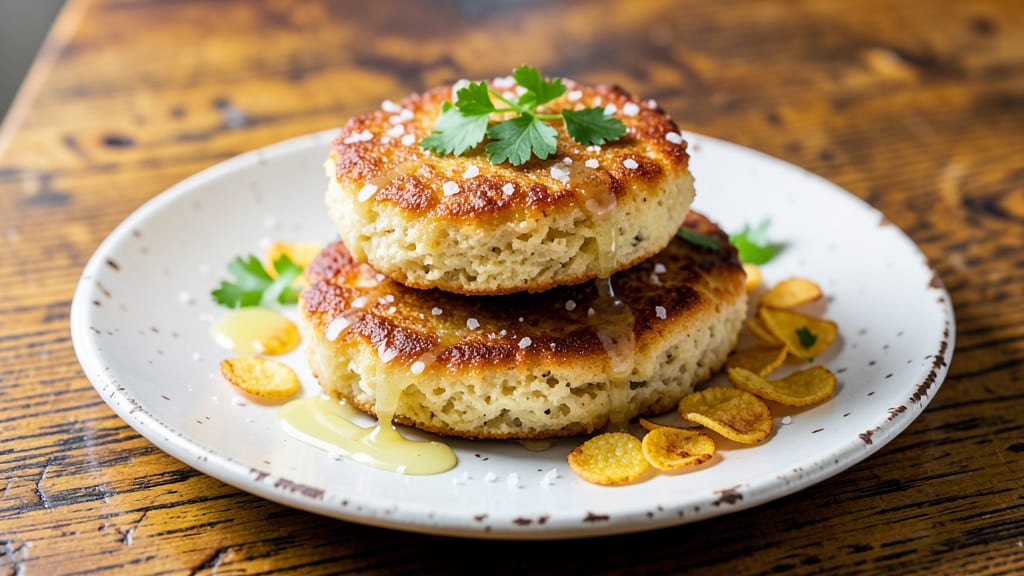
This fish and chip shop potato cake recipe delivers the crispy, golden crunch you crave—just like the ones served alongside fish and chips. The secret lies in a cornflake crust that stays shatteringly crisp while the inside remains tender, all with that signature vinegar-kissed tang.
I've perfected this method after years of testing, ensuring every bite replicates that authentic pub-style texture without shortcuts.
The process is straightforward but precise: freshly grated potatoes form the foundation, bound together with egg and flour for structure, then coated in crushed cornflakes for that signature crunch. A splash of vinegar in the batter adds brightness, while baking at high heat creates that golden, crackling exterior.
The result is potato cakes that hold their shape, resist sogginess, and deliver that satisfying crunch with every bite.
What sets these apart is the balance of textures—crispy cornflake crust gives way to fluffy potato interior, all while maintaining that classic tangy flavor. Serve them alongside fish and chips for a complete meal, or enjoy as a standalone snack with tartar sauce.
The recipe yields about 12 potato cakes, perfect for sharing or meal prep.
For extra flavor, try adding grated cheddar or fresh herbs to the batter before shaping. The key to success is using cold, freshly grated potatoes and baking until golden brown—no frying required. This method ensures crispy results every time, with minimal effort and maximum satisfaction.
Ingredients for fish and chip shop potato cake
Freshly grated potatoes, crispy cornflake crust, and vinegar-kissed tang—just the ingredients you need for authentic pub-style potato cakes.
| Ingredient | Amount | Notes |
|---|---|---|
| Russet Potatoes 🥔 | 3 lb | Cold, freshly grated, no liquid |
| Large Eggs 🥚 | 2 whole | Room temperature, beaten |
| All-Purpose Flour 🌾 | ½ cup | Sifted for lightness |
| Cornflakes 🍞 | 2 cups | Crushed finely, no sugar coating |
| White Vinegar 💧 | 1 tbsp | Distilled for tang |
| Salt 🧂 | 1 tsp | Kosher or sea salt |
| Black Pepper 🌶️ | ½ tsp | Freshly ground |
| Vegetable Oil 🫒 | 2 tbsp | For greasing baking sheet |
| Sharp Cheddar Cheese 🧀 | ½ cup | Freshly grated, optional |
| Fresh Parsley 🌿 | ¼ cup | Chopped, optional garnish |
The potatoes are non-negotiable here. Russet potatoes have the right starch content for that fluffy interior, and they must be cold and freshly grated—no pre-shredded bags. Use a box grater and work quickly to avoid oxidation. For the cornflakes, Kellogg's Original or Post Toasties work best—they crush evenly without leaving sugar residue. If you're feeling fancy, pulse them in a food processor for ultra-fine texture. The vinegar adds that signature tang, so don't skip it—Heinz white vinegar is my go-to, but any distilled vinegar will do. For sourcing, check the baking aisle or bulk bins at Whole Foods or Trader Joe's for the best selection.
No cornflakes? Crushed potato chips or panko can work in a pinch, though the texture won't be identical. Short on vinegar? Lemon juice at half the amount adds brightness, though it won't replicate that classic tang. The cheddar is optional but adds a nice depth—sharp cheddar like Cabot melts beautifully. For the eggs, if you're out, aquafaba (chickpea brine) at 3 tbsp can bind the mixture, though texture may vary slightly. The parsley is purely decorative, so skip it if you're in a hurry. Pro tip: Toast the cornflakes lightly in a dry pan before crushing to enhance their flavor—worth the extra minute.
These potato cakes are best served fresh but reheat beautifully. Store leftovers in an airtight container for up to 3 days—reheat in a 350°F oven for 5-7 minutes to restore crispiness. For meal prep, bake a double batch and freeze half on a parchment-lined tray before transferring to a bag. They'll keep for 2 months frozen. To serve, arrange on a platter with tartar sauce or malt vinegar for dipping. The cornflake crust loses crispiness if stacked, so serve immediately after baking for that pub-style crunch.
Why You'll Love This Recipe
- No Chopping, No Stress: I’ll be real—this recipe only needs you to grate potatoes and crush Cornflakes. That’s it. No julienne peeling, no fussy prep, just raw potatoes, eggs, and a handful of crunchy bits. Even my 10-year-old could handle it (and has, multiple times).
- Crispy Outside, Creamy Inside: The vinegar in the batter gives it that signature chip-shop tang, while the Cornflakes add a buttery, golden crunch. Bite through that crust, and you’ve got a fluffy, warm center—like a cross between a latke and a fish-and-chip side, but better.
- Weeknight or Picnic Hero: Make a double batch on Sunday, and you’ve got lunch for the week. Cold slices with tartar sauce? A perfect picnic side? Or reheated in the oven until crispy again? It’s the one dish that works just as well at 3 PM as it does at 7.
- Pantry Staples, Zero Waste: Russets, flour, eggs—ingredients you already own. The Cornflakes? I raid the kids’ cereal box, so no extra shopping. And leftovers? They freeze like a dream, ready to revive with a quick oven toast. Budget-friendly, fuss-free, and always a hit.
Step-by-step instructions for fish and chip shop potato cakes
Here's how to create golden, vinegar-kissed potato cakes with a crunchy cornflake crust that rivals classic chip shop favorites.
Prepare the Potato Base
Peel the 3 lb russet potatoes and grate them using the large holes of a box grater. Place the grated potatoes in a clean kitchen towel and squeeze out all excess moisture by twisting and wringing the towel. This step is crucial—any remaining liquid will make your potato cakes soggy instead of crispy.
Transfer the dried potato shreds to a large mixing bowl. Add the 1 tbsp white vinegar, 1 tsp salt, and 0.5 tsp black pepper. Stir gently to combine, being careful not to break up the potato strands. The vinegar adds that classic tangy flavor while helping to firm up the texture. Let the mixture sit for 5 minutes while you prepare the next components.
Create the Cornflake Crust Mixture
In a separate bowl, crush the 2 cups cornflakes into fine crumbs using a rolling pin or heavy pan. You want them to resemble coarse sand—this texture creates the perfect crispy exterior. Add the 0.5 cup all-purpose flour and mix thoroughly. In another bowl, beat the 2 whole large eggs until just combined but still slightly thick.
Here's the thing—don't overbeat the eggs or your cakes will become dense. The cornflake mixture should be able to clump together when pressed, but still hold its shape when formed into cakes. If it feels too wet, add 1 tablespoon more cornflake crumbs to bind it properly. This combination creates that signature crunchy shell while keeping the inside tender.
Combine and Shape the Potato Cakes
Gently fold the cornflake mixture into the potato base using a silicone spatula, being careful not to overmix. The goal is to distribute the cornflakes evenly while maintaining the potato's texture. If you notice the mixture becoming too sticky, add 1-2 tablespoons more crushed cornflakes to help bind everything together.
Using your hands, form the mixture into 12 equal portions (about 2-ounce each). Shape each portion into a ½-inch thick oval or round patty. Press down firmly but gently—this ensures they hold their shape during frying and creates that satisfying crispy exterior. Place the shaped cakes on a plate and let them rest for 10 minutes while you prepare your cooking surface.
Fry Until Golden and Crispy
Heat 2 tablespoons vegetable oil in a large skillet over medium heat until it shimmers but doesn't smoke. Add the potato cakes in a single layer, being careful not to overcrowd the pan. Cook for 3-4 minutes per side until they develop a deep golden brown color and are crispy all over. You'll know they're ready when the edges are firm and the interior feels warm through the crust.
Transfer the cooked cakes to a paper towel-lined plate to drain any excess oil. For extra crispiness, you can place them back in the skillet for 1-2 minutes on medium-low heat after they're initially cooked. This second pass helps set the crust perfectly. Keep them warm in a 200°F oven while you fry the remaining batches.
Finish and Serve
Once all cakes are cooked, sprinkle them with 0.5 cup freshly grated sharp cheddar cheese and 0.25 cup chopped fresh parsley for a classic chip shop finish. The cheese adds a sharp contrast to the crispy exterior, while the parsley brings freshness to each bite. Serve immediately while they're at their crispiest, with tartar sauce or malt vinegar for dipping.
Real talk: these cakes are best enjoyed right away. The moment they come out of the pan, that's when they're at their peak—crispy outside, creamy inside, with that perfect vinegar-kissed tang. If you need to hold them for serving, cover them loosely with foil to maintain warmth without steaming the crust.
Pro Tips For Making Fish And Chip Shop Potato Cake
- GRATE POTATOES COLD: Russets are starchy enough, but cold grated potatoes release less moisture and bind better in the batter. Pop them in the fridge for 30 minutes before grating—yes, even if you’re eager to start. I learned this the hard way when my first batch turned into a soggy mess.
- CRUSH CORNFLAKES FINE: Skip the food processor if you want that authentic crunch. Use a rolling pin or heavy mug to smash the cornflakes into tiny bits—think fine breadcrumbs, not whole clusters. My grandmother swore by this, and she was right: the texture changes everything.
- FRIED TWICE, NOT ONCE: First fry at 325°F (163°C) until golden and internal temp hits 160°F (71°C)—this cooks through without burning. Flip and crank the oil to 375°F (190°C) for the second fry to get that crispy, chip-shop finish. After burning three batches, I finally figured out the two-stage fry is non-negotiable.
- VINEGAR BEFORE BATTER: Mix the white vinegar into the wet ingredients first—not last. It tenderizes the potatoes and cuts greasiness in the batter. I was skeptical until I tried it: the cakes hold together better and fry up lighter. (Yes, even if you’re impatient like me.)
Regional styles of this recipe
British Pub Style
The classic British version of potato cakes skips the cornflake crust and relies on a simple batter of grated potatoes, egg, and flour. I use self-raising flour (about ½ cup plus 1 tsp baking powder) to ensure a light rise.
The secret here is a shallow fry in beef dripping (or vegetable oil) until golden brown—traditional chip shops use dripping for that authentic flavor. Serve with Malt vinegar and a side of curly fries for the full British experience. 🏴
Scottish Tattie Scones
In Scotland, these are called "tattie scones" and often include buttermilk (½ cup) in the batter for extra tenderness. I add 1 tsp baking soda to help them puff slightly during cooking. The texture is denser than British-style cakes but still delightfully crispy.
For a true Scottish touch, sprinkle with flaky sea salt and serve with haggis or neeps and tatties. The buttermilk adds a subtle tang that pairs perfectly with smoked meats.
Irish Potato Farls
Irish potato farls are similar but shaped into small rounds and baked rather than fried. I mix in 1 tbsp chopped fresh chives and ½ cup grated mature cheddar for extra flavor. The batter is thicker, almost like a drop scone, and baked on a 400°F parchment-lined sheet until golden.
These are perfect with Irish stew or as a side to boxty (potato pancakes). The chives add a bright, oniony note that cuts through the richness.
American Cornflake Twist
This is my favorite regional adaptation—American-style potato cakes often include crushed cornflakes in the batter itself, not just as a coating. I use 1 cup crushed cornflakes blended into the potato mixture before shaping. These cakes are baked at 425°F for 15-18 minutes until puffed and golden.
The cornflakes create a crunchy interior as well as exterior, making them extra satisfying. Serve with tartar sauce or ketchup for a classic American diner touch.
Australian "Potato Scallops"
Down under, these are called "potato scallops" and are often shaped into small ovals with a crispy breadcrumb crust (instead of cornflakes). I use ½ cup panko breadcrumbs mixed with 1 tbsp grated Parmesan for extra depth.
They're baked at 400°F until golden and served with fish and chips or a meat pie. The Parmesan adds a savory umami note that pairs perfectly with the crispy exterior. 🌏
Nutrition facts
Frequently asked questions
Can I bake these potato cakes instead of frying?
For a lighter version, shape the cakes and bake on a parchment-lined sheet at 425°F for 15-20 minutes until golden. Brush with oil first for extra crispiness. The texture will be slightly less crispy than fried, but still delicious with a fluffy interior.
Why do my potato cakes turn out soggy?
Sogginess usually means excess moisture wasn't removed from the grated potatoes. Always squeeze them dry in a towel before mixing. Also, avoid overcrowding the pan when frying—this traps steam and makes them steam instead of crisp. Let them rest 10 minutes before cooking for best results.
What's the best way to store leftovers?
Keep them in an airtight container for up to 3 days at room temperature. For longer storage, freeze them on a tray first, then transfer to a bag. Reheat in a 350°F oven for 5-7 minutes to restore crispiness. Never microwave—they'll turn rubbery.
Can I make these gluten-free?
Yes! Replace the all-purpose flour with ½ cup gluten-free flour blend and use gluten-free cornflakes. The texture will be slightly different but still crispy. For binding, add 1 tbsp cornstarch to help hold the shape. Always check labels to ensure cornflakes are certified gluten-free.
How do I get the perfect crispy crust?
The secret is threefold: crush cornflakes finely, press cakes firmly when shaping, and fry in small batches over medium heat. For extra crunch, add 1 tbsp crushed cornflakes to the egg mixture before combining. The cornflakes should be golden and crackly when done.