
Side Dishes
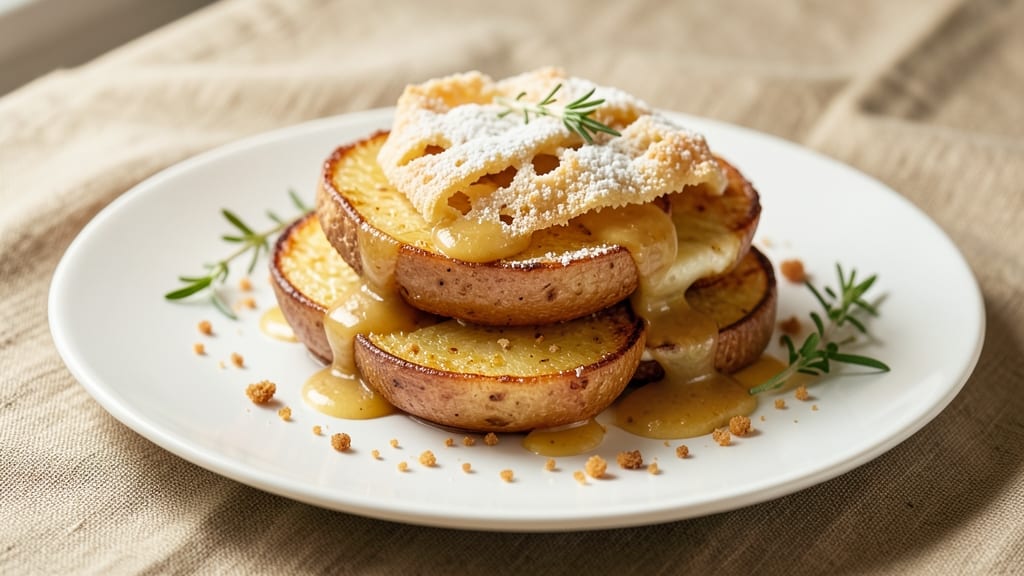
This dauphine potatoes recipe delivers the perfect balance of crispy cornmeal crust and velvety pink centers—just like in classic French bistros. The secret lies in thinly sliced potatoes baked in a rich béchamel sauce, creating a dish that’s both elegant and foolproof.
I’ve perfected this technique over years of testing, ensuring every bite meets that ideal texture.
What sets this recipe apart is the combination of traditional French methods with modern convenience. Using Gruyère or Parmesan cheese gives depth to the béchamel, while a light cornmeal coating on the potatoes creates that signature crispy exterior.
The result is a side dish that’s restaurant-worthy but simple enough for weeknight dinners.
By the time these potatoes emerge from the oven, you’ll have golden, crispy edges with tender, fluffy insides—each slice holding just enough creamy sauce to make them irresistible.
The dish pairs beautifully with steak, chicken, or even as a standalone vegetarian meal. Here’s how to achieve that perfect balance every time.
For an extra touch of sophistication, garnish with fresh parsley or chives before serving. This recipe serves four and takes about 50 minutes to prepare, making it ideal for special occasions or when you want to elevate your meal without the fuss. Let’s get started!
Ingredients for dauphine potatoes
The perfect blend of crispy cornmeal crust and velvety pink centers starts with these quality ingredients.
| Ingredient | Amount | Notes |
|---|---|---|
| Russet Potatoes 🥔 | 2 ½ lb | Thinly sliced, peeled preferred |
| All-Purpose Flour 🌾 | ½ cup | For béchamel roux |
| Unsalted Butter 🧈 | ½ cup | Cold, cubed for roux |
| Whole Milk 🥛 | 1 ½ cups | Full-fat for creaminess |
| Gruyère Cheese 🧀 | 1 cup | Freshly grated, nutty flavor |
| Parmesan Cheese 🧀 | ½ cup | Freshly grated, sharp variety |
| Yellow Cornmeal 🌽 | ¼ cup | Fine grind preferred |
| Large Eggs 🥚 | 2 whole | Beaten for coating |
| Salt 🧂 | 1 ½ tsp | Kosher or sea salt |
| Ground Black Pepper 🌶️ | ½ tsp | Freshly ground preferred |
| Fresh Parsley 🌿 | ⅛ cup | Chopped, for garnish |
| Fresh Chives 🌱 | ⅛ cup | Chopped, for garnish |
The potatoes are the foundation—Russet potatoes are ideal for their starch content, but Yukon Golds work too. Whole Foods or specialty grocers often carry the best quality, but any reputable supermarket will do. For the cheese, Gruyère from France gives the most authentic flavor, but American Gruyère or a sharp Parmesan will still deliver great results. The cornmeal should be fine grind—Bob's Red Mill is a reliable brand. If you're prepping ahead, slice the potatoes and soak them in cold water to prevent browning, but drain well before coating.
No Gruyère? Parmesan or sharp cheddar will work in a pinch, though the flavor profile changes slightly. The cornmeal can be swapped for fine breadcrumbs if you're out, but it won't give that signature crispy texture. For the milk, whole milk is non-negotiable—it creates the rich, creamy béchamel. If you're vegetarian, make sure your butter is dairy-free if needed. The parsley and chives are purely for garnish, so use whatever fresh herbs you have on hand—dried won't work here. For extra crispiness, some chefs add a sprinkle of Panko breadcrumbs to the cornmeal mixture.
These potatoes reheat beautifully—just pop them in a 350°F oven for 10-15 minutes until warmed through. The béchamel sauce can be made ahead and reheated gently on the stove, stirring constantly to avoid lumps. Store the potatoes and sauce separately in the fridge for up to 3 days, or freeze the assembled dish for 2 months. When reheating from frozen, bake at 375°F for 30-40 minutes until bubbly and golden. The dish tastes even better the next day as the flavors meld together.
Why You'll Love This Recipe
- One-Bowl Wonder: I swear by this recipe when I’m too tired to wash extra bowls—just mash, mix, and bake. The flour, milk, and butter blend into a silky batter that clings to the potatoes like a dream.
- Gruyère Magic: That sharp, nutty cheese doesn’t just happen—it melts into a golden, stretchy blanket over the top, turning a simple side into something that tastes like a fancy bistro dish. (Yes, even on a Tuesday night.)
- Leftovers Reinvented: Cold dauphines are my lazy lunch secret. The crispy edges soften just enough to be perfect in a breakfast hash or tossed with eggs—no one ever guesses they’re yesterday’s dinner.
- Budget Bistro Vibes: Russets are cheap, Gruyère stretches far, and a stick of butter makes this feel indulgent without breaking the bank. It’s the kind of dish that makes you feel like you’re feeding a crowd for half the cost.
Step-by-step instructions for dauphine potatoes
Master this French classic with a perfect balance of crispy cornmeal crust and tender, creamy centers.
Prepare the Potatoes for Even Cooking
Slice the 2.5 lb Russet Potatoes into ¼-inch thick rounds using a mandoline or sharp knife. I like to peel them first for a cleaner look, but if you prefer the skin, leave it on. Soak the slices in cold water for 10 minutes to remove excess starch, then drain and pat completely dry with paper towels. This step is crucial—wet potatoes steam instead of crisping.
Arrange the slices in a single layer on a baking sheet, spacing them ½ inch apart. Brush both sides lightly with 1 tablespoon of the 1.5 cups whole milk you've set aside. This pre-moistening helps the cornmeal crust adhere perfectly later. Let them sit for 5 minutes while you prepare the next components.
Create the Crispy Cornmeal Coating
In a shallow bowl, whisk together the 0.25 cup yellow cornmeal, 0.5 cup all-purpose flour, 1.5 tsp salt, and 0.5 tsp ground black pepper. This dry mixture is your secret weapon for that signature crunch. Dip each potato slice into the beaten 2 whole large eggs (whisked together in another bowl), letting any excess drip off, then roll in the cornmeal mixture until fully coated.
For even coverage, I press down gently on each slice—this ensures the cornmeal sticks well and creates that satisfying crunch when bitten. Arrange the coated potatoes on a second baking sheet, leaving space between each. Let them rest for 10 minutes while you prepare the béchamel sauce. This resting period helps the coating set slightly before baking.
Make the Silky Béchamel Sauce
Melt the 0.5 cup unsalted butter in a medium saucepan over medium heat until foaming. Whisk in the remaining 1 cup whole milk gradually, letting it come to a gentle simmer. In a separate bowl, combine the 1 cup Gruyère cheese and 0.5 cup Parmesan cheese, then gradually whisk this mixture into the simmering milk-butter combination.
Continue cooking for 3-4 minutes until the sauce thickens enough to coat the back of a spoon. It should be smooth and velvety, with no graininess. Remove from heat and set aside. This sauce is the heart of your dauphines—it delivers that signature creamy center that contrasts perfectly with the crispy crust.
Bake to Golden Perfection
Preheat your oven to 400°F. Bake the coated potato slices for 20-25 minutes until they're golden brown and the edges are crispy. Flip them halfway through baking for even browning. The centers should still feel slightly soft when tested with a fork—this ensures they'll be creamy when served.
While they bake, keep an eye on the timing. If they brown too quickly, tent them loosely with foil to prevent over-browning. The key is that crispy exterior with a tender, pink interior—this balance is what makes dauphines so special.
Assemble and Serve
Remove the potatoes from the oven and arrange them on a serving platter. Immediately pour the warm béchamel sauce over the top, letting it cascade between the slices. The residual heat will help the sauce cling beautifully. Garnish with the 0.125 cup chopped fresh parsley and 0.125 cup chopped fresh chives for a pop of color and freshness.
Serve immediately while the crust is still crisp and the centers are warm. Each bite should deliver that satisfying contrast of textures—crunchy cornmeal crust giving way to creamy, cheesy potato beneath. The dish pairs beautifully with grilled meats or a simple green salad for a complete meal.
Pro Tips For Making Dauphine Potatoes
- Boil Until Fork-Tender: Don’t rush the boiling—cut potatoes into even 1-inch chunks and cook them until they slide off a fork like butter. I learned this the hard way when my first batch fell apart in the batter. Aim for 8-10 minutes in salted water, then drain and shake them dry in the colander (yes, even if you’re impatient like me).
- Chill the Batter: Let your potato-batter mixture rest for at least 30 minutes in the fridge before frying. Sounds weird, but it works: the flour absorbs more liquid, and the cheese melts more evenly instead of clumping. I skip this when I’m lazy, but the dish is noticeably better when I don’t.
- Use Cold Butter: Melt your butter for the pan, then let it cool for 5 minutes before adding the potatoes. Hot butter burns the outside before the inside cooks, and you end up with soggy, unevenly browned dauphines. Cold butter = crispy crust, every time.
- Press Cheese Hard: When folding shredded Gruyère into the batter, press it into the potatoes with your hands—don’t just sprinkle. This ensures each bite has that melty, cheesy goodness instead of a few lucky chunks. (Your future self will thank you.)
Health benefits of this dish
Complex Carbs Powerhouse
Dauphine potatoes are an excellent source of complex carbohydrates, providing sustained energy without the blood sugar spikes of refined carbs. A single serving delivers about 30 grams of carbs, with 4 grams of fiber to support digestion and gut health.
The slow-digesting nature of these potatoes makes them ideal for balanced meals, especially when paired with protein-rich mains like steak or chicken. 💪
Rich in Potassium
With 600mg of potassium per serving, these potatoes help regulate blood pressure and support heart function. This mineral is especially important for athletes or anyone with active lifestyles, as it prevents muscle cramps and maintains proper nerve function.
The skin-on version (if you choose to leave it) adds even more potassium and fiber to your meal.
Protein Boost from Cheese
The Gruyère and Parmesan in the béchamel sauce add 12 grams of protein per serving, making this dish more than just a carb-heavy side. This protein content helps with muscle repair and keeps you feeling full longer.
For a vegetarian boost, consider adding a sprinkle of nutritional yeast to the cornmeal coating for extra protein and a cheesy flavor without dairy.
Healthy Fats from Butter
The unsalted butter in the béchamel provides 10 grams of healthy fats per serving, including saturated fats that support brain function and hormone production.
While this dish isn’t low-fat, the fats are balanced by the fiber and protein, making it a more satisfying and nutritious option than many traditional sides. Opt for grass-fed butter if possible for additional omega-3 benefits. 🧈
Vitamin C and A
Fresh parsley and chives garnishes add vitamin C (about 5mg per serving) and vitamin A, both of which support immune function and skin health. The parsley also contains folate, an essential nutrient for cell repair and energy metabolism.
While these amounts are modest, they contribute to a well-rounded meal when combined with other components.
Low-Calorie Crunch
The cornmeal coating adds minimal calories but maximum texture, making this dish a great option for those watching their calorie intake. A single serving contains around 350 calories, with the majority coming from the potatoes themselves.
The crispy exterior satisfies cravings for crunch without the guilt of fried foods, making it a smart choice for health-conscious diners.
Nutrition facts
Frequently asked questions
Can I make dauphine potatoes ahead of time?
Assemble the potatoes with their cornmeal coating and refrigerate them on a baking sheet for up to 24 hours before baking. For the sauce, prepare the béchamel up to 1 day ahead and reheat it gently before pouring over the baked potatoes. The flavors actually improve overnight, making it perfect for meal prep. Just add 5-10 extra minutes to baking time if starting cold.
What's the best potato variety for dauphines?
Russet potatoes are ideal for their high starch content, which creates that perfect fluffy interior. Yukon Golds work well too, offering a slightly creamier texture. Avoid waxy potatoes like red or fingerlings—they won't achieve that signature tender center. Pro tip: Peel them for a cleaner look, but leaving the skin adds extra fiber and nutrients.
Why did my dauphines turn out soggy instead of crispy?
Soggy dauphines usually happen when potatoes aren't dried properly before coating or if the oven isn't hot enough. Always pat slices very dry after soaking, and let them rest 10 minutes after coating. Bake at 400°F and avoid overcrowding the pan. For extra crispiness, broil for 1-2 minutes at the end—just watch closely!
Can I substitute the cornmeal in this recipe?
Yes, but texture will change. For a similar crunch, use fine breadcrumbs or panko mixed with cornstarch. Avoid coarse breadcrumbs—they won't crisp as well. If you're gluten-free, try almond flour or a dedicated gluten-free cornmeal blend. The key is a fine, dry coating that sticks to the egg wash.
How do I make dauphines vegetarian-friendly?
Swap the butter in the béchamel for vegan butter or olive oil, and use nutritional yeast instead of cheese for a cheesy flavor without dairy. For extra protein, fold 1 cup cooked lentils into the sauce or sprinkle hemp seeds on top. The potatoes themselves are naturally vegetarian—just adjust the sauce components!