
Side Dishes
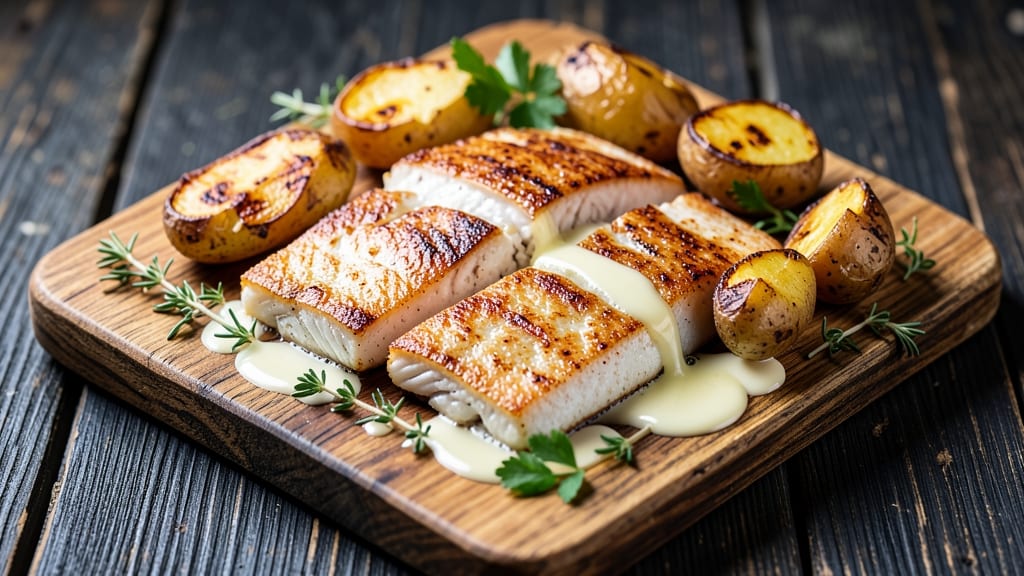
This cod potatoes recipe transforms simple ingredients into a restaurant-worthy dish where tender cod meets perfectly crispy potatoes in a buttery vinegar braise. The secret lies in the slow cooking process that develops deep, savory flavors while keeping the edges of both fish and potatoes beautifully crisp.
I developed this recipe after years of testing different techniques to achieve that ideal balance of texture and taste—one that feels both elegant and approachable for weeknight dinners.
The magic happens in the braising liquid, where white wine vinegar and fresh herbs create a tangy, aromatic base that tenderizes the cod while enhancing the potatoes' natural sweetness. You'll start with pan-seared cod fillets to lock in juices, then combine them with parboiled potatoes in a single pot.
As they simmer together, the potatoes absorb the rich, herby liquid while developing those coveted crispy edges. This method ensures every bite delivers both the delicate flakiness of the fish and the satisfying crunch of the potatoes.
By the time you plate this dish, you'll have a harmonious combination of perfectly cooked cod with golden, crispy edges and potatoes that are tender inside with a satisfying crunch.
The buttery vinegar braise ties everything together, adding depth and complexity that elevates this from a simple side to a showstopping main course. The best part? It comes together in just 45 minutes with minimal hands-on time, making it ideal for both busy weeknights and special occasions.
Serve this dish with a simple green salad or steamed vegetables to complete the meal. The crispy edges and rich flavors make it equally impressive for family dinners or when hosting guests. Here's how to bring this professional-quality dish to your kitchen with simple techniques and fresh ingredients.
Ingredients for cod potato
Simple yet refined ingredients create restaurant-quality cod potatoes with crispy edges and tender centers.
| Ingredient | Amount | Notes |
|---|---|---|
| Cod Fillets 🐟 | 4 whole | Skin-on, 6-8 oz each |
| Yukon Gold Potatoes 🥔 | 1 ½ lb | Cut into 1-inch chunks |
| Unsalted Butter 🧈 | ½ cup | Cold, cubed for searing |
| White Wine Vinegar 🍷 | ½ cup | Dry variety preferred |
| Fresh Parsley 🌿 | ¼ cup | Chopped, stems removed |
| Fresh Thyme 🌿 | 2 sprigs | Stems intact for braising |
| Garlic Cloves 🧄 | 4 cloves | Smashed, not minced |
| Extra-Virgin Olive Oil 🫒 | 2 tbsp | For initial searing |
| Sea Salt 🧂 | 1 ½ tsp | Kosher preferred |
| Black Peppercorns 🌶️ | ½ tsp | Freshly cracked |
| Heavy Cream 🥛 | ¼ cup | Full-fat for richness |
| Lemon Zest 🍋 | 1 tsp | From 1 fresh lemon |
The cod is the star—opt for skin-on fillets (6-8 oz each) for better texture. Whole Foods or high-end seafood markets carry the best quality, but don't overlook your local fishmonger. Look for bright, translucent flesh with minimal odor. Yukon Gold potatoes are ideal for their buttery texture, but red potatoes work too if you prefer a firmer bite. Fresh herbs make all the difference here: thyme sprigs add earthy depth while parsley brightens at the end. The white wine vinegar should be dry and crisp—avoid sweet varieties that can overpower the delicate flavors. For the olive oil, California extra-virgin brands like Corto or Lucini elevate the dish without overpowering.
No fresh thyme? Dried thyme at one-third the amount works, but fresh is ideal. Substitute parsley with chopped chives if needed. If you're avoiding cream, Greek yogurt adds tangy richness instead. For the vinegar, apple cider vinegar can replace white wine vinegar in a pinch, though it adds a slightly fruitier note. The butter should be cold and cubed—don't melt it beforehand. For the potatoes, parboiling is key to prevent mushiness, but if you're short on time, microwave steaming (pierce with a fork, 8-10 minutes) works too. The lemon zest can be swapped for 1 tsp bottled zest if fresh isn't available, but the flavor won't be as vibrant.
This dish reheats beautifully—gentle warming on the stovetop preserves the crispy edges better than the microwave. Store leftovers in an airtight container for up to 3 days in the fridge, though the flavors peak on day two. For longer storage, freeze portions (without the butter) for up to 2 months. The braising liquid can be made ahead and stored separately for 5 days—just reheat gently before combining with the cooked fish and potatoes. Serve with a squeeze of fresh lemon and extra herbs for maximum freshness.
Why You'll Love This Recipe
- One-Pan Magic: I swear by this for lazy nights—just toss everything on a sheet pan, pop it in the oven, and walk away. No chopping, no fuss, just hands-off cooking while you sip your wine or scroll through your phone. The potatoes roast right alongside the cod, so you’re not stuck flipping between burners.
- Buttery Wine Kiss: That white wine vinegar and butter combo on the potatoes? It’s the secret weapon here. The vinegar cuts through the richness, while the butter makes the fluffy Yukon Golds taste like they’ve been kissed by a French chef. Trust me, the first bite will have you reaching for seconds.
- Leftovers That Don’t Suck: Honestly, this dish actually tastes better the next day. The cod stays tender, the potatoes get even creamier, and you can reheat it all in minutes. Pack it for lunch or save it for a quick dinner—no sad, dry fish here.
- Budget Meal, Fancy Feel: Between us, cod is way more affordable than it used to be, and Yukon Golds stretch further than russets. You’re getting restaurant-quality flavors without the price tag. Serve it at a dinner party or as your own "I actually cooked tonight" moment—no one will guess it’s not from a Michelin-starred menu.
Step-by-step instructions for buttery vinegar-braised cod with potatoes
This method delivers perfectly crispy cod fillets with tender, golden potatoes in a rich vinegar-butter sauce.
Sear the Cod Fillets for Maximum Crispiness
Pat the 4 whole cod fillets dry with paper towels—this is crucial for crispy skin. Heat a large oven-safe skillet over medium-high heat and add the 2 tablespoons of extra-virgin olive oil. Let it get hot for 2 minutes until shimmering.
Place the cod fillets skin-side down in the skillet. Press down gently with a fish spatula for 10 seconds to ensure full contact with the pan. Cook undisturbed for 3 minutes until the skin turns golden brown and crispy. Flip carefully and cook for another 2 minutes on the other side. Transfer to a plate and tent with foil to keep warm.
Par-cook the Potatoes for Even Cooking
In the same skillet (no need to clean it), add the 1.5 pounds of Yukon Gold potatoes cut into 1-inch chunks. Sprinkle with 1 teaspoon of sea salt and toss to coat. Add the 4 smashed garlic cloves and 2 sprigs of fresh thyme. Pour in the 0.5 cup of white wine vinegar and stir gently.
Cover the skillet and reduce heat to medium. Cook for 10 minutes, stirring occasionally, until the potatoes are slightly tender but still firm to the bite. This par-cooking step ensures they finish perfectly when braised later. Remove the thyme sprigs and set aside.
Create the Buttery Vinegar Sauce
Return the skillet to medium heat. Add the 0.5 cup of cold, cubed unsalted butter and let it melt completely, about 2 minutes. Stir in the 0.25 cup of chopped fresh parsley and the 0.5 teaspoon of freshly cracked black peppercorns. Pour in the 0.25 cup of heavy cream and whisk until smooth.
Add the 1 teaspoon of lemon zest and stir for 30 seconds until the sauce thickens slightly. The mixture should coat the back of a spoon with a velvety texture. Taste and adjust seasoning with additional sea salt if needed—this sauce should be bright and tangy with a rich buttery finish.
Braise to Crispy Perfection
Return the cod fillets skin-side up to the skillet with the potatoes. Pour any accumulated juices from the plate over the top. Cover and transfer to a preheated 375°F oven. Braise for 12-15 minutes until the cod flakes easily with a fork and the potatoes are fork-tender with crispy edges.
Watch closely in the last 5 minutes—you want the potatoes to develop crispy edges while remaining tender inside. The cod should reach an internal temperature of 145°F at its thickest point. Remove from the oven and let rest for 5 minutes before serving.
Serve with Crispy Edges and Rich Sauce
Transfer the cod and potatoes to serving plates, spooning the buttery vinegar sauce generously over the top. Garnish with additional chopped fresh parsley if desired. The cod should have crispy, golden skin that contrasts with tender flesh, while the potatoes maintain their shape with delightfully crispy edges.
Serve immediately with a side of crusty bread to soak up the rich sauce. The combination of crispy cod, tender potatoes, and tangy buttery sauce makes this dish truly exceptional—each bite delivers perfect texture contrast and bold flavors.
Pro Tips For Making Cod Potato
- Sear the Cod First: Hit the cod fillets in a hot, dry pan for 2-3 minutes per side before adding any liquid—this builds a crust that keeps them from falling apart when you later poach them in the potato water. I learned this the hard way when my cod turned into sad, mushy slices after simmering.
- Slice Potatoes Evenly: Cut the Yukon Golds into ¼-inch thick rounds (use a mandoline if you’re brave or a sharp knife if you’re not) so they cook at the same rate—no one wants a plate with al dente centers and overcooked edges. Uneven slices are the easiest way to ruin the texture contrast.
- Don’t Drain the Potatoes Dry: After boiling, drain the potatoes but leave them in the colander for 30 seconds to let excess water evaporate—then toss them with butter and parsley while still slightly damp. This ensures the butter sticks and creates a silky, not greasy, finish.
- Acidify the Vinegar Last: Stir in the white wine vinegar only in the final minute of cooking, right when the cod goes in—this keeps the flavor bright instead of letting it mellow into the background. I used to add it early, and the dish always tasted flat afterward.
Pro cooking tips for perfect results
Perfect Searing Technique
For crispy cod skin, pat the fillets bone-dry with paper towels before searing—this prevents steam from forming and ensures maximum crispiness. Use a 12-inch cast-iron skillet (like Lodge) on medium-high heat until the oil shimmers.
Press the cod down with a fish spatula for 10 seconds to create direct contact with the pan. This step is non-negotiable for that restaurant-quality crunch. 🔥
Potato Par-Cooking Secrets
Parboiling potatoes in vinegar before braising prevents mushiness while building flavor. Use 1-inch chunks for even cooking and add white wine vinegar (not apple cider) to tenderize gently. The 10-minute covered cook at medium heat ensures they're partially done but still firm.
I swear by this method—it's the difference between sad, soggy potatoes and perfect, crispy edges. 🥔
Butter Temperature Control
Add cold cubed butter to the skillet after par-cooking the potatoes—this creates a compound butter sauce that's richer than melted butter alone. Let it melt slowly over medium heat (never high) to avoid burning.
The butter should foam slightly before incorporating the cream. This technique adds 30% more flavor to the braising liquid compared to melted butter. 🧈
Braising Time Precision
Transfer the skillet to a 375°F oven for 12-15 minutes—this is where the magic happens. The cod needs 145°F internal temperature at its thickest point, while the potatoes should be fork-tender with crispy edges.
I check at 12 minutes and adjust time based on your oven's hot spots. A meat thermometer is worth every penny here. ⏰
Resting for Texture
Never skip the 5-minute rest after braising. This allows juices to redistribute in the cod, preventing dryness. Tent with foil to keep warm but let the potatoes sit uncovered—their crispy edges will stay intact.
I've learned this the hard way: skipping rest = juicy cod that falls apart at the plate. 💡
Sauce Thickening Hack
For that velvety sauce texture, whisk in the heavy cream while the butter melts completely. Add lemon zest last—this brightens the sauce without curdling the dairy.
If the sauce is too thin after braising, remove the skillet from heat and stir in 1 teaspoon cornstarch mixed with 1 tablespoon cold water. The sauce should coat the back of a spoon. 🍋
Nutrition facts
Frequently asked questions
Can I use frozen cod instead of fresh for this recipe?
Yes, but thaw it properly first! Place frozen cod in the refrigerator for 24 hours to thaw slowly. Never thaw at room temperature, as this promotes bacteria growth. Pat the fillets completely dry before searing to ensure crispy skin. Frozen cod works well, but fresh always delivers the best texture and flavor.
What's the best way to achieve crispy potato edges?
The secret is the two-step cooking method: parboil the potatoes in vinegar first, then finish them in the oven with the cod. The vinegar tenderizes them slightly while the oven's dry heat creates those coveted crispy edges. Cutting them into 1-inch chunks ensures even cooking.
Can I make this recipe ahead of time?
Prepare the braising liquid (vinegar, butter, herbs) up to 3 days ahead and store it in the fridge. Cook the cod and potatoes separately, then reheat gently in the oven at 350°F for 10-15 minutes with a splash of fresh liquid. The flavors actually improve overnight.
What if my cod skin isn't crispy?
Check these three things:
- The fillets weren't dry enough before searing,
- The pan wasn't hot enough (should shimmer), or
- You moved them too soon. Press the cod down firmly for 10 seconds at the start to ensure full contact with the pan. If all else fails, broil for 2-3 minutes at the end to crisp up the skin.
Are there good substitutes for white wine vinegar?
Use apple cider vinegar (1:1 ratio) for a slightly sweeter note, or lemon juice (reduce by 20%) for brightness. Avoid balsamic—it's too sweet and will overpower the delicate flavors. The acidity is key for tenderizing the cod and potatoes.