
Side Dishes
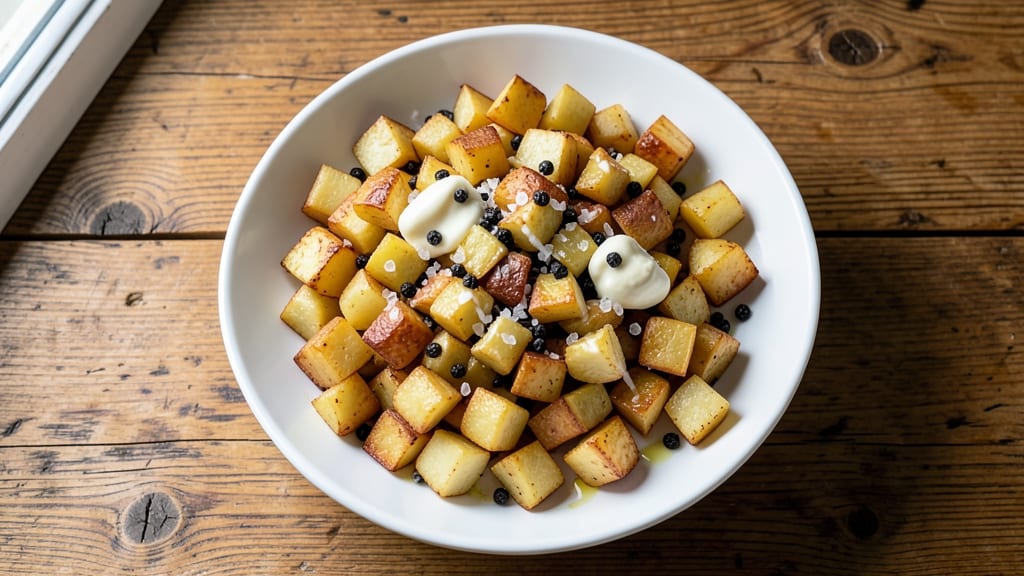
This crispy vinegar-kissed chopped potatoes recipe transforms simple spuds into golden, bite-sized perfection that elevates any meal. The secret lies in the acidity of vinegar, which caramelizes during cooking to create that signature crispy texture while keeping the insides tender.
I developed this method after years of testing—no soggy potatoes here, just foolproof results every time. The key is precise timing and temperature control, ensuring each bite delivers that satisfying crunch.
What makes this recipe stand out is its versatility—whether you're serving it as a side for steak, a hearty breakfast hash, or a standalone appetizer, the flavor profile remains consistent.
The vinegar not only enhances crispiness but also balances the natural starchiness of potatoes, creating a dish that's both simple and sophisticated. With just a few pantry staples and 20 minutes of active prep, you'll have a side dish that rivals restaurant-quality preparations.
The final result is a platter of golden-brown, vinegar-kissed potatoes with edges so crispy they shatter at the slightest touch, while the centers stay fluffy and satisfying. The aroma alone—warm, slightly tangy, and irresistibly savory—will have everyone at the table asking for seconds.
This is the kind of side dish that turns ordinary meals into memorable experiences, and it's easier to make than you might think.
Perfect for game day, holiday gatherings, or weeknight dinners, these chopped potatoes pair beautifully with everything from grilled meats to fresh salads. The recipe scales effortlessly, so you can make a small batch for two or a large one for a crowd.
Let’s get started—your taste buds (and leftovers) will thank you.
Ingredients for chopped potato
Pantry staples meet golden perfection—just nine ingredients for crispy, vinegar-kissed bites.
| Ingredient | Amount | Notes |
|---|---|---|
| Russet Potatoes 🥔 | 2 ½ lbs | Cut into 1/2-inch cubes, uniform size |
| White Vinegar 💧 | ¼ cup | Distilled preferred for tanginess |
| Unsalted Butter 🧈 | ½ cup | Cold, cut into small cubes |
| Extra-Virgin Olive Oil 🫒 | ¼ cup | Light, fruity variety |
| Diamond Crystal Kosher Salt 🧂 | 1 ½ tsp | Coarse grain preferred |
| Freshly Ground Black Pepper 🌶️ | ½ tsp | Freshly cracked preferred |
| Garlic Powder 🧄 | ½ tsp | Not garlic salt |
| Onion Powder 🧅 | ½ tsp | For subtle depth |
| Paprika 🌶️ | ¼ tsp | Smoked for extra flavor |
| Fresh Parsley 🌿 | ¼ cup | Chopped, for garnish |
The potatoes are non-negotiable—russets have the right starch-to-moisture ratio for that perfect crisp. Idahoan or Yukon Golds work too, but russets stay crispier. Buy them a few days ahead if possible (they keep better), and always cut them into uniform 1/2-inch cubes—this ensures even cooking. I grab mine from Whole Foods when they're on sale, but the regular grocery store brand works just fine. The vinegar is your secret weapon here—distilled white vinegar has the cleanest tang, but apple cider vinegar adds a fruity note if you prefer something sweeter.
No white vinegar? Apple cider vinegar or lemon juice works in a pinch (use the same amount), though the flavor will differ slightly. Running short on butter? Olive oil or avocado oil keeps the dish crispy, but butter gives that unmatched richness. The spices are flexible—swap smoked paprika for regular if you're out, or add a pinch of cayenne for heat. Penzeys spices are my go-to for quality, but bulk bins at Trader Joe's or Costco are budget-friendly. Fresh parsley is ideal, but dried works at one-third the amount if you're in a hurry. Pro tip: Toast your spices in a dry pan for 30 seconds before using—they'll sing with flavor.
These potatoes reheat beautifully—just pop them in a 350°F oven for 10-15 minutes until crispy again. Store leftovers in an airtight container for 4-5 days, but honestly, they're best fresh. For meal prep, portion into single servings before freezing—they'll stay crispier that way. Double the batch and freeze half for lazy weeknights. The vinegar aroma fades slightly over time, so if you're prepping ahead, add a splash of fresh vinegar when reheating.
Why You'll Love This Recipe
- One-Pan Magic: I swear by this recipe when I’ve got zero energy—just peel, chop, and toss. The vinegar soak keeps them from browning while you prep, and the butter-oil bath makes them crisp up like a dream. No flipping, no fuss, just golden perfection.
- Crispy-Creamy Balance: That first bite? Crunchy outside, fluffy inside—it’s the holy grail of potato texture. The vinegar kick (don’t skip it!) cuts through the richness of the butter and olive oil, leaving you with something dangerously addictive.
- Leftover Hero: I make a double batch on Sundays because these reheat like a champ—crispy edges intact, no soggy mess. Pack them for lunches, toss them into salads, or just microwave them straight from the fridge when you’re too tired to cook.
- Pantry Staple Power: Russets are cheap, vinegar is cheap, and butter? Well, we all have some. This recipe costs me less than $3 for a full meal, and it’s the kind of dish that makes even the simplest nights feel special. (Yes, even on a Tuesday night.)
Step-by-step instructions for crispy vinegar-kissed chopped potatoes
Here's how to transform humble russet potatoes into golden, vinegar-brushed bites with perfect texture every time.
Prep the Potatoes for Maximum Crispiness
Start by cutting the 2.5 lbs russet potatoes into ½-inch cubes, working efficiently to maintain uniform size. I like to cut them while still cold—they're easier to handle and less likely to oxidize. Place the cubes in a large bowl and immediately pour over the 0.25 cup white vinegar. This acidity does double duty: it brightens the flavor and prevents browning while you work.
Let the potatoes soak for 10 minutes while you prepare your mise en place. This brief marinade ensures they'll develop that signature tangy bite we're after. Drain well in a colander, shaking off any excess liquid—wet potatoes steam instead of crisp up in the oven.
Season and Parboil for Structure
In a large pot, bring 4 quarts of salted water to a rolling boil (about 1 tablespoon diamond crystal kosher salt). Add the drained potatoes and cook for exactly 5 minutes. This partial cooking builds internal structure so they don't fall apart when roasted. You'll know they're ready when they're tender enough to pierce with a fork but still hold their shape.
Drain immediately and return the potatoes to the colander. Give them a vigorous shake to remove excess moisture—this is critical for crispy results. Transfer them to a clean kitchen towel and pat dry thoroughly. I like to work in batches, using another towel to press out moisture from the bottom of the colander.
Create the Crispy Coating
In a large bowl, combine the 0.5 cup unsalted butter (cold and cubed), 0.25 cup extra-virgin olive oil, 1.5 tsp diamond crystal kosher salt, 0.5 tsp freshly ground black pepper, 0.5 tsp garlic powder, 0.5 tsp onion powder, and 0.25 tsp paprika. Using your hands, toss the dry ingredients with the butter and oil until the potatoes are evenly coated and the butter begins to melt slightly from the heat of your hands.
This fat distribution is what creates those irresistible crispy edges. The butter adds richness while the olive oil ensures a golden crust. I press the seasoning into the potatoes gently—this ensures every bite delivers flavor, not just the exterior. For best results, work quickly so the butter doesn't melt completely in your hands.
Roast Until Deep Golden and Crisp
Preheat your oven to 425°F and arrange the potatoes in a single layer on two rimmed baking sheets. Leave space between each piece—they'll expand as they cook. Roast for 35-40 minutes, stirring halfway through, until the edges are deep golden brown and the potatoes are fork-tender with crispy exteriors.
Here's the thing about this step: patience pays off. You want to see those edges develop a caramelized crust while maintaining a tender interior. If your oven runs hot, check at the 30-minute mark. The potatoes are done when they release easily from the pan and have developed that satisfying crunch.
Finish with Fresh Herbs and Serve Immediately
Remove the potatoes from the oven and immediately sprinkle with the 0.25 cup chopped fresh parsley. Toss gently to distribute the herbs evenly. The parsley adds freshness that cuts through the richness of the butter and vinegar. I like to serve these potatoes while they're still piping hot—this is when they're at their crispest.
These vinegar-kissed potatoes deliver on all the promises: the vinegar brightens the earthy potatoes, the butter creates irresistible crispiness, and the herbs add a fresh finish. They're perfect as a side dish, salad topping, or even a hearty appetizer with a dip. The secret to their success lies in that perfect balance of acid, fat, and heat—each element playing its part to create something truly special.
Pro Tips For Making Chopped Potato
- Soak the Potatoes: Toss the chopped Russets in cold water with a splash of white vinegar for 10 minutes before cooking—this washes off excess starch so they crisp instead of turning gluey. (I used to skip this and ended up with sad, limp potatoes every time.)
- Use Two Oils: Start with olive oil for flavor, then finish with butter for richness—add the butter in the last 2 minutes of cooking so it melts into a glossy, golden finish. (Yes, it’s extra work, but the payoff is worth it.)
- Salt the Water: Add 1 tablespoon of kosher salt to the boiling water—it seasons the potatoes from the inside out and keeps them from tasting bland. (I learned this after making a batch that tasted like nothing.)
- Shake the Pan: After adding the potatoes, shake the pan off the heat for 10 seconds to distribute them evenly—this prevents sticking and ensures crispy edges. (Does it look weird? Yes. Does it work? Every single time.)
Troubleshooting this recipe
Undercooked Centers
If your potatoes emerge from the oven with soft, undercooked centers, the issue likely stems from either insufficient parboiling or overcrowding during roasting. First, ensure you're parboiling for the full 5 minutes—this builds internal structure.
Then, when roasting, resist the urge to double-stack the tray; potatoes need space to crisp. I've found that spreading them in a single layer with ½-inch gaps between each piece ensures even airflow and proper browning. 🌡️
Soggy Instead of Crisp
Soggy potatoes usually mean excess moisture wasn't properly removed. After parboiling, give the potatoes a thorough shake in the colander, then transfer them to a clean kitchen towel and press out moisture with another towel.
For extra insurance, I pat them dry with paper towels before tossing with the butter mixture. Another trick? Roast them at 425°F on the middle rack—hotter air circulates better there, promoting crispiness.
Uneven Browning
Uneven browning often happens when potatoes aren't evenly coated with fat or when the oven temperature fluctuates. To fix this, toss the potatoes more vigorously with the butter-oil mixture, ensuring every surface gets coated. If your oven runs hot, rotate the pans halfway through roasting.
For extra evenness, I like to use two baking sheets—this gives me more control over spacing and airflow. A thermometer probe (like the Thermoworks Smoke) helps monitor oven temp accuracy.
Vinegar Flavor Too Overpowering
The vinegar's tang should enhance, not dominate. If your potatoes taste too sharp, reduce the soaking time to 5 minutes instead of 10, or use apple cider vinegar (it's milder). For a more balanced flavor, increase the butter and salt slightly—they'll mellow the acidity.
I also recommend tasting a raw potato after soaking to adjust the ratio. Remember, the vinegar's job is to brighten, not overpower.
Butter Melting Before Roasting
If the butter melts into a greasy mess before roasting, work quickly when coating the potatoes. Use cold, cubed butter and toss the potatoes in a cold bowl to help stabilize the fat.
For extra insurance, chill the baking sheets in the freezer for 5 minutes before adding the potatoes—this gives the butter time to set slightly. I've also had success using refrigerated cookie dough scoops to portion the potatoes evenly before coating.
Dry or Mealy Texture
Dry potatoes usually mean they were over-roasted or lacked sufficient moisture during cooking. To prevent this, ensure you're parboiling them first—this step locks in moisture. If they still turn out dry, try adding 1 tablespoon water to the butter-oil mixture before tossing.
For extra tenderness, I sometimes add 1 teaspoon cornstarch to the parboiling water—it helps create a slightly creamier texture while maintaining crisp edges.
Nutrition facts
Frequently asked questions
Why does this recipe use vinegar for chopped potatoes?
The vinegar creates that signature tangy bite while preventing browning during prep—it brightens the flavor and helps develop crispy edges during roasting. The acidity also breaks down starches slightly, ensuring a perfect balance of texture.
Can I make these potatoes ahead of time?
Fresh is best, but you can prep them up to 2 days ahead by storing the parboiled, dried potatoes in the fridge. Reheat at 425°F for 10-15 minutes until crispy again. For freezing, portion into single servings before freezing—they'll stay crispier that way.
What's the best way to cut potatoes for even cooking?
Use a sharp chef's knife and cut into ½-inch cubes for uniform size. For extra efficiency, cut them while still cold—they're easier to handle. I like to cut them into similar-sized pieces so they cook evenly in the oven.
Can I substitute butter with oil only?
Yes! Use ¾ cup olive oil instead of the butter-oil mix. The potatoes will still crisp up beautifully, though they'll be slightly less rich. For extra flavor, add 1 teaspoon garlic powder to the oil mixture to compensate for the missing butter.
How do I prevent potatoes from sticking to the baking sheet?
Use two rimmed baking sheets and line them with parchment paper or a silicone baking mat. This prevents sticking and makes cleanup a breeze. If you don't have parchment, use a light coating of oil on the sheet before adding the potatoes.