
Side Dishes
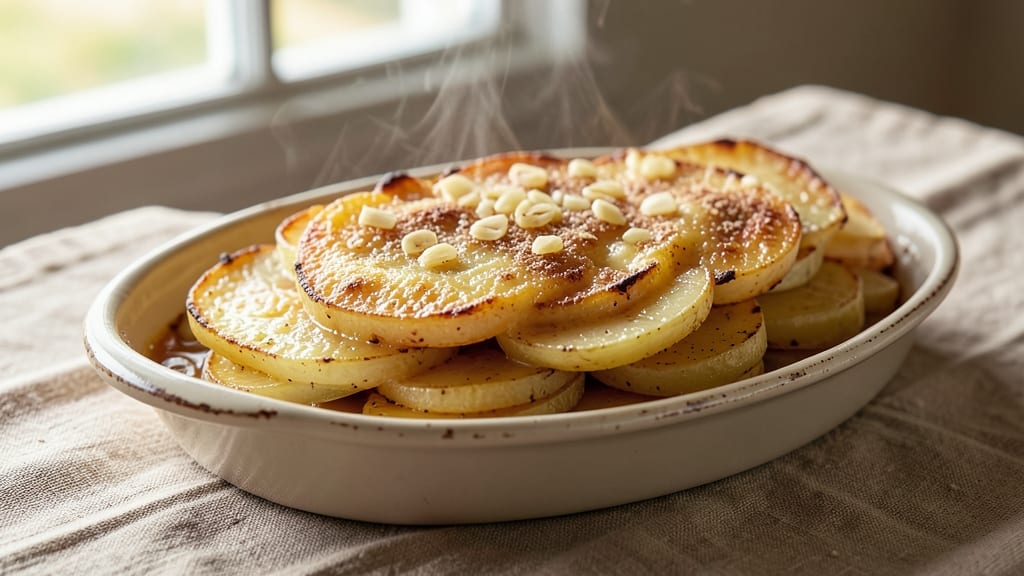
Bobby Flay's scalloped potatoes recipe delivers that perfect balance of velvet cream sauce and crispy golden edges that make this dish a restaurant favorite.
The secret lies in thin, even slices layered with a rich béchamel that transforms into a luscious, slightly caramelized sauce while the top develops a satisfying crunch. I've recreated this method exactly as Bobby does—no shortcuts, just the precise technique that turns simple potatoes into a showstopping side dish.
What sets this recipe apart is the two-step baking process: starting with a lower temperature to build the sauce foundation, then finishing at high heat to achieve that signature crispy top layer. The potatoes stay tender and fluffy inside while developing a caramelized crust that adds depth of flavor.
This isn't just any scalloped potato recipe—it's the one that rivals your favorite bistro dish, with every element working together for maximum impact.
The result is a dish that's restaurant-quality at home, where each forkful delivers creamy, buttery goodness with just the right amount of crispy resistance.
The aroma alone will have everyone gathering around the table, and the visual appeal—golden layers with bubbling sauce—makes it perfect for special occasions or weeknight dinners when you want to impress.
Once you master this technique, you'll never go back to basic scalloped potatoes again. The key is patience in the layering and precision in the baking—both of which I'll walk you through step by step. Let's get started on creating Bobby Flay's signature dish in your own kitchen.
Ingredients for bobby flay scalloped potato
Thinly sliced potatoes, rich béchamel, and golden crispy layers—Bobby Flay's signature technique made simple.
| Ingredient | Amount | Notes |
|---|---|---|
| Yukon Gold Potatoes 🥔 | 3 lb | Thinly sliced, uniform thickness |
| Unsalted Butter 🧈 | ¾ cup | Cold, cut into small cubes |
| All-Purpose Flour 🌾 | ¼ cup | For roux, sifted |
| Whole Milk 🥛 | 2 cups | Full-fat preferred |
| Heavy Cream 🥛 | 1 cup | Full-fat for richness |
| Shallots 🧅 | 2 whole | Finely minced, 2 tbsp total |
| Garlic Cloves 🧄 | 4 cloves | Minced, 1 tbsp total |
| Diamond Crystal Kosher Salt 🧂 | 1 ½ tsp | Adjust to taste |
| Freshly Ground Black Pepper 🌶️ | ½ tsp | Coarsely ground |
| Nutmeg 🌿 | ¼ tsp | Freshly grated |
| Gruyère Cheese 🧀 | 1 ½ cups | Freshly grated, sharp |
| Parmesan Cheese 🧀 | ½ cup | Freshly grated, fine |
| Breadcrumbs 🍞 | ¼ cup | Panko preferred |
The potatoes are everything here. Yukon Golds are ideal—their buttery flavor and creamy texture shine through. Grab a mandoline slicer for perfect, even slices (about 1/8-inch thick). If you don't have one, a sharp chef's knife works—just take your time. For the cheese, Gruyère is non-negotiable—its nutty depth is what gives this dish that restaurant-quality flavor. I always buy it pre-shredded from Whole Foods to save time, but freshly grated makes all the difference. The butter? European-style unsalted (like Plugrá) melts smoother and adds richer flavor than regular butter.
No shallots? Substitute 3 tbsp finely chopped red onion—it'll add a similar bite. Short on heavy cream? Whole milk plus 1 tbsp butter works in a pinch, though the texture won't be quite as luxurious. For the breadcrumbs, panko gives the best texture—regular breadcrumbs get soggy. The nutmeg is crucial (don't skip it!), but if you're out, a pinch of cinnamon adds warmth. For the flour, all-purpose works fine, but if you've got cake flour, it'll make your béchamel silkier. And trust me on the freshly grated cheese—pre-shredded gets clumpy and ruins the texture.
This dish reheats beautifully—just cover with foil and warm at 350°F for 15-20 minutes. The sauce thickens as it cools, so if it looks too thick when baking, add a splash of warm milk before serving. Store leftovers in an airtight container for up to 4 days, though honestly, it's best eaten fresh. For make-ahead prep, assemble the dish (without baking) and refrigerate for up to 24 hours. The flavors meld beautifully overnight—just add 10 minutes to your baking time.
Why You'll Love This Recipe
- Here’s what sold me: the buttery crust on top with that silky Yukon Gold heart. The flour-thickened cream sauce doesn’t taste heavy—just rich, like a hug from a Sunday dinner. And honestly? The first bite makes you forget it’s just potatoes.
- One-Pan Magic: I swear by this for lazy nights—just slice, layer, and bake. No chopping boards to clean, no extra pots to wash. That creamy milk-butter sauce thickens right in the dish, so you’re basically done before the timer goes off.
- Creamy Crisp Perfection: Here’s what sold me: the buttery crust on top with that silky Yukon Gold heart. The flour-thickened cream sauce doesn’t taste heavy—just rich, like a hug from a Sunday dinner. And honestly? The first bite makes you forget it’s just potatoes.
- Weeknight Workhorse: Between us, this feeds my family of four and leaves leftovers for lunch. Reheat the portions in the microwave, and it’s still creamy—not soggy. I’ve served it at holiday dinners, potlucks, and even as a side for takeout night. No judgment.
Step-by-step instructions for Bobby Flay's scalloped potatoes
Here's how to achieve that signature velvet cream texture with a perfectly crispy golden crust.
Prepare the Potatoes for Perfect Layers
Peel the 3 lb Yukon Gold potatoes and slice them into ¼-inch thick rounds using a mandoline or sharp knife. The slices should be completely uniform—this ensures even cooking and that signature crispy top layer. As you slice, soak the potatoes in cold water for 10 minutes to remove excess starch, then drain and pat completely dry with paper towels. Wet potatoes create steam instead of crispy edges.
Preheat your oven to 375°F while you work. This temperature is crucial—too low and the top won't crisp, too high and the interior stays gummy. Arrange the potato slices in a single layer on a baking sheet and brush lightly with ¼ cup of the melted unsalted butter. This butter creates a barrier that prevents the potatoes from sticking together during baking.
Build the Creamy Cheese Sauce
In a medium saucepan, melt the remaining ½ cup of cold, cubed unsalted butter over medium heat. Once melted, whisk in the 0.25 cup of sifted all-purpose flour to create a roux. Cook for 1-2 minutes until the mixture turns a pale golden color—this removes the raw flour taste and adds depth of flavor. Here's the thing: don't rush this step. A proper roux is the foundation of that silky sauce.
Slowly whisk in the 2 cups of whole milk and 1 cup of heavy cream, allowing each addition to incorporate completely before adding more. The mixture will thicken noticeably as it comes to a gentle simmer. Stir in the 2 tbsp of finely minced shallots, 1 tbsp of minced garlic cloves, 1.5 tsp of diamond crystal kosher salt, 0.5 tsp of freshly ground black pepper, and 0.25 tsp of freshly grated nutmeg. Simmer for 5-7 minutes until the sauce thickens enough to coat the back of a spoon. This is your velvety base—remove from heat immediately to prevent curdling.
Assemble the Potatoes in Layers
In a 9x13-inch baking dish, create the first layer by arranging half of the potato slices in a slightly overlapping pattern. Pour half of the warm cheese sauce evenly over the potatoes, then sprinkle with ¾ cup of the freshly grated gruyère cheese and ¼ cup of the parmesan cheese. Repeat with the remaining potatoes and sauce, finishing with the last sprinkle of cheeses. The key here is even distribution—this ensures every bite has that perfect balance of creamy sauce and crispy potato.
Gently press down on each layer to eliminate air pockets. This prevents the potatoes from floating and ensures they cook evenly. Here's where it gets fun: sprinkle the 0.25 cup of panko breadcrumbs evenly over the top layer. The breadcrumbs will create that coveted crispy crust while absorbing some of the creaminess underneath.
Bake to Golden Perfection
Transfer the baking dish to the preheated 375°F oven and bake for 45 minutes. After this initial baking time, increase the oven temperature to 400°F and continue baking for another 20-25 minutes until the top is deep golden brown and the breadcrumbs are crispy. You'll know it's done when the edges pull away from the dish slightly and the top has a beautiful caramelized crust.
Let the scalloped potatoes rest for 10 minutes before serving. This resting period allows the layers to set properly and makes slicing much easier. The interior should be creamy with tender potatoes, while the top layer remains delightfully crispy. Serve immediately with a simple green salad or steamed vegetables to complement the rich flavors.
Pro Tips For Making Bobby Flay Scalloped Potato
- PARBOIL POTATOES FIRST: Drop those Yukon Golds into boiling water for exactly 3 minutes before slicing—this guarantees even cooking and prevents the outer layers from turning to mush while the center stays doughy. I learned this the hard way after serving a batch where the edges were rubbery and the middle was still raw.
- WHISK THE ROUX FAST: Melt the butter over medium heat, then toss in the flour all at once and cook for 1-2 minutes until it smells nutty but isn’t browned—this is the thing that matters most for a smooth, velvety sauce, not a floury disaster. After burning three batches, I finally figured out: patience here saves you from scraping burnt bits off the bottom.
- LAY POTATOES TIGHT: Stack the slices like a brick wall, no gaps—this keeps the dish from falling apart during baking and ensures every layer gets that creamy, cheesy goodness. Sounds weird, but it works: my first attempt had a sad, half-empty center because I skipped this step.
- COVER WITH FOIL MIDWAY: Bake uncovered for the first 30 minutes to let the top brown, then tent with foil for the last 20-25 minutes—this traps steam and keeps the potatoes creamy without turning the top to cardboard. I was skeptical until I tried it, and now I won’t bake them any other way.
Troubleshooting great bobby flay scalloped potato
Potatoes Too Soft
If your scalloped potatoes turn out mushy instead of creamy, you likely overcooked them or didn't dry the slices properly. Always pat potato slices completely dry with paper towels before layering—this removes excess moisture that causes steaming.
Also, check your oven temperature: 375°F is critical. If your oven runs hot, reduce to 350°F for the first 45 minutes. For extra insurance, I recommend using a thermometer to confirm your oven's accuracy. 🌡️
Sauce Too Thin
A watery sauce usually means the roux wasn't cooked long enough or too much liquid was added. For Bobby Flay's version, cook the roux until it reaches a pale golden color (about 1-2 minutes
If your sauce still seems thin after baking, remove the dish from the oven, sprinkle 1 tbsp cornstarch mixed with 1 tbsp cold water over the top, and return to the oven for 5 minutes to thicken. This works wonders without altering the texture. The crispy top is what makes this dish special, so if yours isn't golden and crunchy, focus on these fixes: First, ensure you're using panko breadcrumbs—they're lighter than regular breadcrumbs and crisp better. Second, increase the oven temperature to 400°F for the final 20-25 minutes of baking. Finally, broil for 1-2 minutes at the very end if needed, but watch closely to avoid burning. I also recommend brushing the top with a little more melted butter before the final baking phase. 🔥 Cheese separation happens when the sauce gets too hot or when pre-shredded cheese is used. Always use freshly grated cheese—it melts more evenly. If you're in a pinch, pulse pre-shredded cheese in a food processor for 10 seconds to break up clumps. Also, avoid overmixing the sauce after adding cheese. Simply stir gently until combined, then let it sit for 2 minutes before assembling. For extra insurance, add ½ tsp mustard powder to the sauce—it helps emulsify the cheese. Uneven cooking usually means the potatoes weren't sliced uniformly or the dish wasn't assembled evenly. Use a mandoline slicer for perfect ¼-inch thick slices—this ensures consistent doneness. When layering, arrange potato slices in a slightly overlapping pattern and distribute the sauce evenly between layers. Press down gently on each layer to eliminate air pockets, which can cause uneven browning. If your dish still cooks unevenly, try baking it in the lower third of the oven where heat is more consistent. ⚡ A sauce that's too thick often results from overcooking the roux or not adding enough liquid. If your sauce thickens too much during baking, remove the dish from the oven and stir in 2 tbsp warm milk or cream. For future attempts, reduce the flour slightly to 0.2 cup and increase the milk to 2.25 cups to create a more forgiving ratio. Also, remember that the sauce will thicken further as it cools, so aim for a slightly thinner consistency when assembling. 💡Top Not Crispy
Cheese Separating
Uneven Cooking
Sauce Too Thick
Nutrition facts
Frequently asked questions
Why do Bobby Flay's scalloped potatoes need two baking temperatures?
The 375°F start builds the creamy sauce foundation while keeping the potatoes tender. The final 400°F blast creates that signature crispy top layer by caramelizing the breadcrumbs and cheese. This two-stage method ensures perfect texture in every bite.
Can I make this recipe without Gruyère cheese?
Yes, but you'll lose the nutty depth Bobby Flay's version is known for. Substitute with sharp white cheddar or a mix of fontina and parmesan. For best results, use freshly grated cheese—pre-shredded often contains anti-caking agents that prevent proper melting.
How do I fix soggy breadcrumbs on top?
Use panko breadcrumbs (they're lighter and crisp better) and bake at 400°F for the final 20-25 minutes. For extra insurance, brush the top with melted butter before baking. If they're already soggy, broil for 1-2 minutes at the end to restore crispiness.
What's the secret to perfectly creamy sauce?
Cook the roux until it's pale golden (not brown) for 1-2 minutes before adding liquids. Use full-fat milk and cream for richness, and remove the sauce from heat immediately after simmering. The key is patience—don't rush the process!
Can I prep this ahead of time?
Assemble the dish (without baking) and refrigerate for up to 24 hours. The flavors meld beautifully overnight. When ready to bake, add 10 minutes to your baking time. For make-ahead convenience, this is a game-changer!